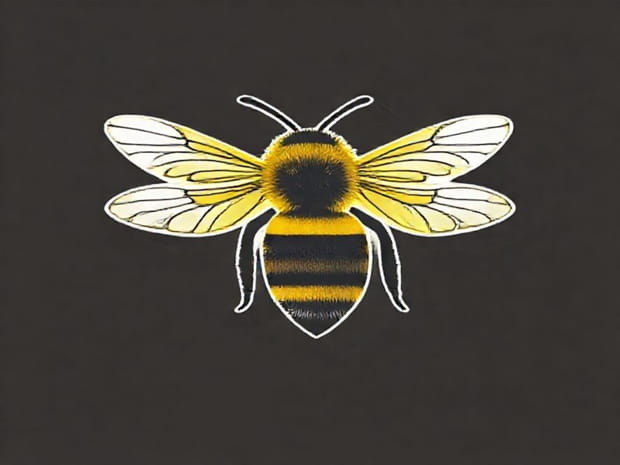
Cordovan Hybrid Queen Bee
The Cordovan Hybrid Queen Bee represents a remarkable development in modern apiculture, combining traits from different bee lineages to create a resilient, productive, and manageable queen for honeybee colonies. Beekeepers around the world are increasingly interested in hybrid queens for their ability to thrive in varied climates, resist diseases, and maintain consistent honey production. The Cordovan Hybrid, in particular, is celebrated for its distinctive coloration, gentle temperament, and high productivity. Understanding the biology, management, and benefits of Cordovan Hybrid Queen Bees is essential for both hobbyist and commercial beekeepers aiming to optimize colony health and output.
What is a Cordovan Hybrid Queen Bee?
The Cordovan Hybrid Queen Bee is a queen bee bred from a combination of specific European honeybee subspecies, typically Apis mellifera ligustica and Apis mellifera carnica, with selective traits to enhance adaptability and productivity. The Cordovan designation refers to a unique light, reddish-golden coloration found in the queen and her offspring, which is highly prized among beekeepers for visual identification and aesthetic appeal. Hybridization aims to merge the best characteristics of parent subspecies, including disease resistance, foraging efficiency, and temperament.
Characteristics of the Cordovan Hybrid Queen
- Distinctive cordovan or reddish-golden coloration, making colonies easily identifiable.
- Gentle and manageable temperament, reducing aggressive behavior in the hive.
- High reproductive potential, with the ability to lay thousands of eggs per week under optimal conditions.
- Enhanced adaptability to various climates and environmental conditions.
- Strong resistance to common bee diseases and pests, including Varroa mites and Nosema.
Breeding and Genetics
Creating a Cordovan Hybrid Queen Bee involves careful selection and controlled breeding techniques. Beekeepers choose queens and drones with desirable traits, such as gentle behavior, high honey production, and resilience to stressors. By crossbreeding these selected lineages, breeders aim to produce hybrid queens that retain advantageous characteristics from both parental subspecies while minimizing undesirable traits.
Selective Breeding Practices
Selective breeding for Cordovan Hybrid Queens requires monitoring colony performance over multiple generations. Breeders evaluate traits such as
- Brood pattern quality, ensuring consistent egg-laying and healthy larval development.
- Colony temperament, prioritizing calm and manageable behavior.
- Honey yield, selecting queens whose colonies consistently produce high-quality honey.
- Disease and pest resistance, choosing lineages with natural immunity or resilience.
- Color expression, maintaining the cordovan phenotype across generations.
Benefits of Using Cordovan Hybrid Queen Bees
Introducing Cordovan Hybrid Queens into a colony offers several advantages for beekeepers. These queens are particularly beneficial in commercial apiaries, urban beekeeping operations, and environments with variable conditions.
Enhanced Colony Productivity
Cordovan Hybrid Queens are prolific egg layers, which leads to larger, more robust colonies. The strong brood pattern ensures a steady workforce of worker bees capable of foraging efficiently, increasing honey production and overall hive output. This makes hybrid queens ideal for commercial honey production and pollination services.
Disease and Pest Resistance
Hybrid queens often inherit natural resistance to common bee pests and pathogens. For example, Cordovan Hybrids can exhibit increased tolerance to Varroa mites and reduced susceptibility to fungal infections. This resilience reduces the need for chemical treatments, promoting a healthier and more sustainable beekeeping practice.
Gentle Temperament
One of the most valued traits of Cordovan Hybrid Queens is their calm demeanor. Colonies headed by these queens tend to be less aggressive, making hive inspections, honey harvesting, and management safer and more manageable. This trait is particularly advantageous for urban or community beekeepers who must maintain positive relations with neighbors and minimize stinging incidents.
Adaptability to Environmental Conditions
Cordovan Hybrid Queens are bred for adaptability, allowing colonies to thrive in a range of climates, from temperate to warmer regions. This flexibility ensures that colonies can maintain productivity even under fluctuating weather conditions, drought stress, or changes in forage availability. Adaptability is a key factor for beekeepers facing climate variability and changing landscapes.
Colony Management with Cordovan Hybrid Queens
Successful management of colonies with Cordovan Hybrid Queens requires understanding their specific needs and behavior patterns. Beekeepers must focus on nutrition, hive inspection, and monitoring for pests and diseases to ensure optimal performance.
Nutrition and Feeding
Proper nutrition is critical for supporting the high egg-laying capacity of hybrid queens. Providing a balanced diet, including access to diverse nectar and pollen sources, ensures strong brood development. Supplemental feeding with sugar syrup or pollen patties may be necessary during periods of low forage availability.
Regular Hive Inspections
Routine inspections help beekeepers monitor colony health, queen performance, and brood patterns. Identifying potential issues early, such as signs of disease or reduced egg-laying, allows for timely intervention and ensures colony stability.
Swarm Prevention
Cordovan Hybrid Queens are prolific, which can increase the risk of swarming if the colony becomes overcrowded. Beekeepers can prevent swarming by providing adequate space, splitting hives, or introducing additional supers. Proper swarm management maintains colony productivity and prevents loss of bees.
Challenges and Considerations
While Cordovan Hybrid Queens offer many benefits, beekeepers should be aware of potential challenges when introducing them into apiaries.
Availability and Cost
Hybrid queens, especially cordovan lines, may be more expensive and less readily available than standard queens. Beekeepers should plan ahead and source queens from reputable breeders to ensure genetic quality and health.
Genetic Variability
Maintaining the desired hybrid traits requires careful breeding and monitoring. Crossbreeding with non-hybrid drones can dilute cordovan characteristics or introduce unwanted behavioral traits. Beekeepers must manage breeding programs to preserve the hybrid’s beneficial qualities.
Environmental Adaptation
Although adaptable, Cordovan Hybrid Queens may not perform equally well in all regions. Local climate, forage availability, and disease pressures should be considered when selecting hybrid queens for introduction into a new area.
The Cordovan Hybrid Queen Bee represents a significant advancement in modern beekeeping, combining desirable traits from multiple honeybee lineages to create resilient, productive, and visually distinctive queens. These hybrid queens offer enhanced colony productivity, disease resistance, gentle temperament, and adaptability to diverse environmental conditions. Proper colony management, including nutrition, hive inspection, and swarm prevention, ensures that Cordovan Hybrid Queens perform at their best. While challenges such as cost, genetic management, and environmental adaptation exist, the benefits make these queens a valuable asset for both hobbyist and commercial beekeepers. Understanding and utilizing Cordovan Hybrid Queen Bees can improve hive health, honey production, and overall beekeeping success.