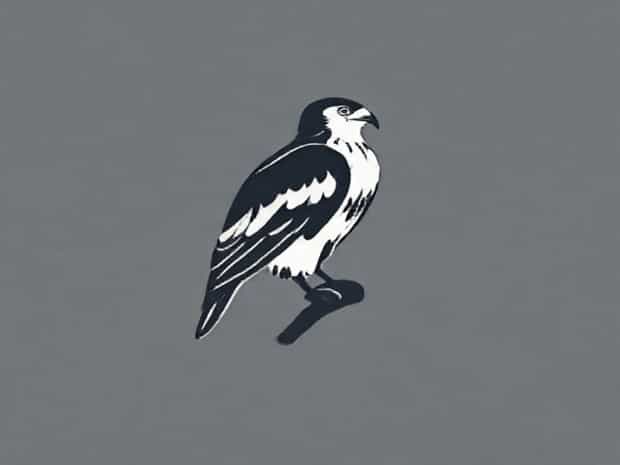
Cooper’S Hawk Near Me
Spotting a Cooper’s hawk near you can be an exciting and educational experience, as these birds of prey are fascinating creatures with unique behaviors and striking appearances. Cooper’s hawks are medium-sized raptors commonly found in North America, known for their agility in flight and keen hunting skills. They are often seen near wooded areas, suburban neighborhoods, and parks where they hunt smaller birds and mammals. Observing a Cooper’s hawk near you can provide insight into local wildlife, bird behavior, and the ecological role of raptors in controlling populations of smaller animals.
Identifying a Cooper’s Hawk Near You
Knowing how to identify a Cooper’s hawk is essential if you want to spot one near your home or in your local area. These hawks have a distinctive appearance and specific behaviors that make them stand out among other birds of prey.
Physical Characteristics
Cooper’s hawks are medium-sized birds, typically measuring between 14 and 20 inches in length with a wingspan of about 24 to 35 inches. They have rounded wings and a long tail, which is often banded with dark stripes. Adult Cooper’s hawks have blue-gray upperparts, a reddish-barred chest, and a distinctive yellow or orange eye. Juveniles, on the other hand, have brown upperparts and streaked chests, making them slightly harder to identify at first glance.
Behavior and Flight
One of the most distinctive features of Cooper’s hawks is their agile and fast flight. They are known for darting quickly through trees and shrubs while hunting, making sudden twists and turns to catch their prey. This hunting style differentiates them from other hawks, which may soar more slowly and openly in search of food. Observing their rapid movements and sudden dives can help you identify a Cooper’s hawk near you.
Habitat and Distribution
Understanding where Cooper’s hawks are likely to be found can increase your chances of spotting one. They are highly adaptable birds and can live in a variety of environments.
Wooded Areas
Cooper’s hawks prefer forests, woodlands, and areas with dense tree cover. They often nest in deciduous or mixed forests, where they can remain hidden while raising their young. Seeing a hawk swoop through a heavily wooded area could indicate the presence of a Cooper’s hawk.
Suburban and Urban Areas
Interestingly, Cooper’s hawks have adapted well to suburban environments. They are often spotted in neighborhoods, city parks, and gardens where birds like pigeons, doves, and songbirds are plentiful. If you notice a hawk perched on a fence, roof, or tree in your yard, it could very well be a Cooper’s hawk hunting for local birds.
Seasonal Movement
Cooper’s hawks are partially migratory. Northern populations may move south during the winter, while southern populations tend to stay in their territories year-round. Depending on your location, the likelihood of spotting a Cooper’s hawk near you may vary with the seasons, with spring and fall migration periods often providing the best opportunities for observation.
Feeding Habits
Cooper’s hawks are carnivorous birds that primarily feed on other birds, but they also hunt small mammals, reptiles, and insects. Understanding their feeding habits can help you predict where they might appear near you.
Hunting Techniques
Cooper’s hawks use stealth and surprise to catch their prey. They often perch quietly and wait for an opportunity to swoop down on passing birds or mammals. Their long tails help them maneuver quickly through trees, allowing them to capture prey with impressive precision. Watching for sudden, fast movements in your backyard or local park could indicate that a Cooper’s hawk is nearby.
Prey Preferences
While they are opportunistic hunters, Cooper’s hawks tend to target medium-sized birds such as pigeons, doves, and songbirds. They may also hunt rodents like squirrels or mice if birds are less available. If your area has abundant smaller birds, it is more likely to attract a Cooper’s hawk searching for food.
Nesting and Breeding
Cooper’s hawks are known for their secretive nesting habits, which can make spotting them near you challenging but rewarding.
Nesting Sites
They usually build nests high in trees, often in dense foliage to hide them from predators. The nests are made of sticks and lined with softer materials. If you notice a hawk repeatedly visiting a particular tree, it could indicate nesting behavior.
Breeding Season
The breeding season typically occurs in the spring. During this time, males perform aerial displays and hunt frequently to provide food for the female and young chicks. Observing a Cooper’s hawk carrying sticks or food could signal that it is involved in nesting and rearing young.
Tips for Spotting a Cooper’s Hawk Near You
Whether you are a birdwatcher, nature enthusiast, or just curious, there are several ways to increase your chances of spotting a Cooper’s hawk near your location.
- Look for areas with abundant prey, such as bird feeders, parks, or wooded neighborhoods.
- Observe tree canopies and rooftops where hawks may perch quietly before swooping down.
- Use binoculars or spotting scopes to safely watch from a distance without disturbing the bird.
- Pay attention during early morning or late afternoon when hawks are most active in hunting.
- Listen for sharp, high-pitched calls, which are often made when they are alert or communicating.
Conservation and Protection
Cooper’s hawks, like many raptors, play an important role in maintaining ecological balance by controlling populations of smaller birds and mammals. While their populations are generally stable, they can be affected by habitat loss, pollution, and human disturbances. Supporting local wildlife conservation efforts, planting native trees, and avoiding pesticide use can help protect Cooper’s hawks near you and maintain a healthy ecosystem for all birds.
Spotting a Cooper’s hawk near you can be a thrilling experience that offers a glimpse into the life of a skilled predator and an important part of the ecosystem. By learning to identify them, understanding their habits, and observing their preferred habitats, you can increase your chances of encountering these impressive raptors. Whether in suburban neighborhoods, parks, or forested areas, Cooper’s hawks are a reminder of the incredible diversity of wildlife living close to human settlements. Watching these birds safely and respectfully can provide educational opportunities, foster appreciation for nature, and encourage conservation efforts to ensure these magnificent hawks continue to thrive near you.