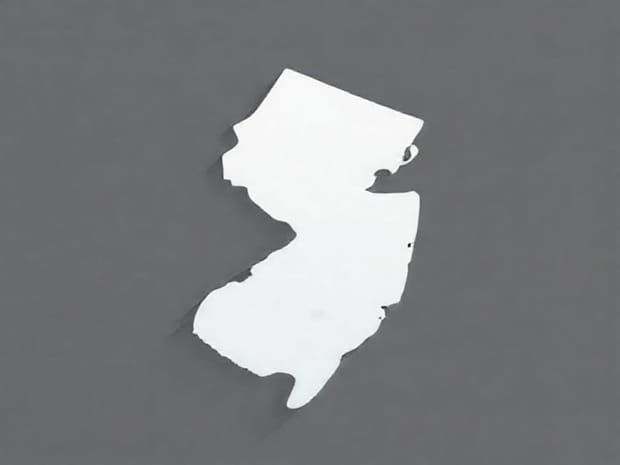
Contaminated Sites In New Jersey Known
New Jersey, often called the Garden State, is not only known for its rich history and industries but also for its long list of contaminated sites that have raised environmental and public health concerns. Due to decades of manufacturing, chemical production, and waste disposal practices, New Jersey has some of the most well-documented polluted locations in the United States. These contaminated sites in New Jersey reveal the challenges of balancing industrial growth with environmental protection, and they continue to shape discussions on cleanup, restoration, and community health.
Understanding Contaminated Sites in New Jersey
Contaminated sites are areas where hazardous substances, pollutants, or toxic waste have been released into the soil, water, or air. In New Jersey, such sites often stem from industrial activities, chemical plants, oil refineries, and improper waste disposal. Many of these locations are listed under the federal Superfund program, which identifies and prioritizes the cleanup of the nation’s most dangerous polluted sites.
The Role of the Superfund Program
New Jersey has more Superfund sites than most other states, highlighting the scale of its pollution problem. The Superfund program, administered by the Environmental Protection Agency (EPA), ensures that contaminated areas are investigated and remediated to protect human health and the environment. Cleanup efforts often take years, if not decades, due to the complexity of the contamination.
Examples of Contaminated Sites in New Jersey
Several contaminated sites in New Jersey are well known because of their size, history, or impact on surrounding communities. These sites have become case studies for environmental cleanup and the consequences of industrial pollution.
Diamond Alkali Company in Newark
One of the most infamous contaminated sites in New Jersey is the former Diamond Alkali Company plant in Newark. This site is known for its production of Agent Orange, a chemical defoliant used during the Vietnam War. Toxic byproducts, including dioxins, contaminated the soil and nearby Passaic River. The cleanup of this site remains one of the largest and most expensive environmental efforts in the state.
American Cyanamid Site in Bridgewater
The American Cyanamid facility in Bridgewater was once a major chemical production plant. Decades of operations left behind lagoons filled with hazardous waste, including heavy metals and organic chemicals. The contamination spread into nearby rivers, raising serious environmental and health concerns. Cleanup and containment strategies have been ongoing for years.
Chemical Control Corporation in Elizabeth
This site became infamous after a massive fire in 1980 released toxic smoke into the air. The Chemical Control Corporation stored thousands of drums of chemical waste, many of which were improperly handled. The fire exposed the dangers of neglecting proper waste management and made the location one of the most recognized contaminated sites in New Jersey history.
Givaudan Fragrances Site in Clifton
The Givaudan site, associated with fragrance and chemical production, is another example where soil and groundwater contamination occurred. Hazardous materials leaked into the surrounding environment, requiring long-term remediation and monitoring to ensure safety.
Health and Environmental Impacts of Contaminated Sites
The contaminated sites in New Jersey are not just environmental concerns; they directly affect public health and the well-being of surrounding communities. Pollutants from these sites can enter drinking water, food supplies, and the air, leading to chronic health risks.
Health Risks
- Exposure to carcinogenic chemicals can increase cancer risks.
- Heavy metals such as lead and mercury can damage neurological development in children.
- Long-term exposure to toxins can cause respiratory illnesses and skin conditions.
Environmental Damage
- Contamination of rivers and wetlands disrupts aquatic ecosystems.
- Soil pollution makes land unsuitable for agriculture or development.
- Wildlife populations decline due to habitat destruction and toxic exposure.
Government and Community Responses
The cleanup of contaminated sites in New Jersey requires cooperation between state agencies, federal programs, and local communities. While the EPA provides oversight for Superfund sites, state agencies like the New Jersey Department of Environmental Protection (NJDEP) play a critical role in monitoring and enforcement.
State-Level Action
The NJDEP has developed strict guidelines for site remediation and redevelopment. Polluters are often held responsible for cleanup costs, although in many cases taxpayers share the burden. The state also promotes redevelopment of remediated sites into usable land for housing, businesses, or green spaces.
Community Involvement
Residents near contaminated sites are often the first to raise concerns about pollution and health risks. Community groups play an important role in pressuring authorities and companies to act. Public awareness campaigns, lawsuits, and environmental activism have all contributed to stronger cleanup efforts in New Jersey.
Redevelopment of Contaminated Sites
While contaminated sites are often viewed negatively, many have been successfully remediated and redeveloped. Redevelopment not only eliminates health risks but also revitalizes local economies by converting toxic land into productive spaces.
Examples of Redevelopment
- Former industrial lands turned into residential complexes and parks.
- Brownfields transformed into commercial centers that provide jobs.
- Waterfronts restored for recreation and tourism after decades of pollution.
Ongoing Challenges
Despite progress, New Jersey still faces ongoing challenges with its contaminated sites. Cleanup is costly and time-consuming, and new contamination threats continue to emerge from industrial activities. Climate change, with rising sea levels and more frequent storms, poses additional risks by spreading pollutants from contaminated soil into water systems.
Financial Costs
Cleanup operations for major sites often require hundreds of millions of dollars. When responsible companies no longer exist, the financial burden falls on the government and taxpayers, complicating the process.
Technical Difficulties
Some pollutants, such as dioxins and heavy metals, are extremely persistent in the environment. Complete removal is often impossible, and containment strategies must be maintained for decades.
Contaminated sites in New Jersey represent a legacy of industrial growth that came at a steep environmental and health cost. From the Diamond Alkali plant in Newark to the Chemical Control Corporation in Elizabeth, these polluted areas highlight the need for responsible industry practices and strong environmental regulations. While significant progress has been made through federal and state cleanup efforts, many challenges remain. The future of New Jersey’s environment depends on sustained commitment to remediation, community involvement, and prevention of new contamination. These sites serve as a reminder that economic development must always be balanced with the responsibility to protect human health and preserve the natural world.