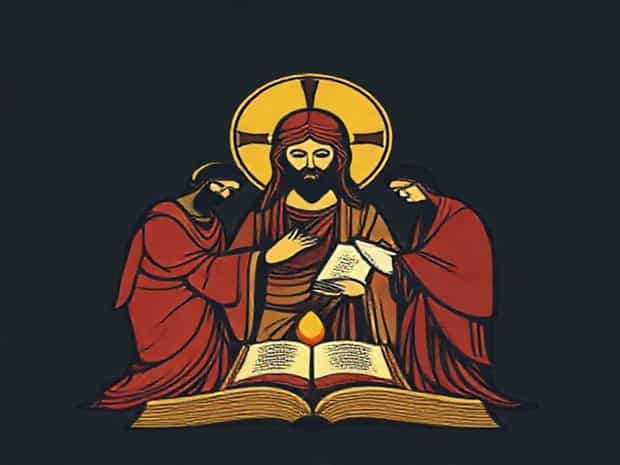
Consecration In The Bible
Consecration in the Bible represents a profound spiritual concept that emphasizes dedication, holiness, and commitment to God. It is a recurring theme throughout both the Old and New Testaments, reflecting the importance of setting apart people, objects, or actions for divine purposes. From the consecration of priests and altars in the Old Testament to the call for believers to live holy lives in the New Testament, this practice symbolizes a deep relationship with God, obedience to His will, and the pursuit of spiritual purity. Understanding consecration provides insight into how God desires His people to honor Him and live distinct lives in a world filled with distractions and temptations.
Definition and Meaning of Consecration
The term consecration refers to the act of making something sacred or setting it apart for a holy purpose. In biblical terms, it involves a deliberate separation from common or secular use to dedicate oneself, others, or objects to God. The concept emphasizes devotion, reverence, and obedience, signaling that the consecrated entity is under divine authority and guidance. Consecration is not merely a ritual; it reflects an inner commitment and a visible declaration that life, work, or possessions are offered to serve God’s will.
Old Testament Examples
In the Old Testament, consecration often involved rituals, sacrifices, and ceremonial acts to signify holiness. Priests, prophets, and sacred objects were consecrated to God through specific procedures described in the Law of Moses. For instance, in Exodus 28, the consecration of Aaron and his sons as priests included washing, dressing in special garments, and anointing with oil. Similarly, altars, offerings, and even the tabernacle itself were consecrated to ensure that God’s presence was honored and maintained in the community.
- Priestly ConsecrationPriests were set apart to perform sacred duties and act as mediators between God and the people, reflecting the sanctity required for spiritual leadership.
- Object ConsecrationObjects like altars, the Ark of the Covenant, and sacred vessels were consecrated to denote their exclusive use for worship and divine service.
- National ConsecrationIsrael as a nation was called to be holy and separate, demonstrating God’s covenant relationship with His people and their unique role among the nations.
Consecration in the New Testament
In the New Testament, consecration extends beyond ceremonial rituals to focus on spiritual transformation and dedication of the believer’s life to God. Christians are called to live holy lives, dedicating their actions, thoughts, and purposes to God’s glory. Romans 121 urges believers to offer their bodies as living sacrifices, holy and acceptable unto God, illustrating that consecration involves daily commitment and moral purity rather than external ceremonies alone. This broader understanding emphasizes personal devotion, obedience, and alignment with God’s will in all aspects of life.
Personal Holiness
Consecration in the New Testament often highlights personal holiness and separation from sin. Believers are encouraged to cultivate character traits that reflect God’s nature, including love, patience, and righteousness. By consecrating their lives, Christians demonstrate a willingness to follow God’s guidance and resist worldly influences. This form of consecration is an ongoing process, marked by prayer, study of Scripture, and obedience to God’s commands, reflecting an internal transformation visible in external behavior.
Spiritual Gifts and Service
Consecration also involves dedicating one’s gifts, talents, and ministry to God’s service. 1 Peter 29 describes believers as a holy nation, a people for God’s own possession, emphasizing that every individual has a role in advancing God’s kingdom. Whether teaching, serving the poor, or evangelizing, consecration ensures that every act is done with intentionality, reverence, and reliance on God’s direction. This spiritual commitment transforms ordinary activities into sacred service, demonstrating devotion in both private and public life.
Practical Applications of Consecration
Understanding consecration encourages believers to live intentionally, making daily choices that honor God. This can include dedicating time for prayer and worship, committing finances to God’s work, and maintaining ethical integrity in professional and personal spheres. Consecration also involves recognizing the spiritual significance of ordinary actions, seeing them as opportunities to serve and glorify God. By consecrating their lives, Christians cultivate a lifestyle that prioritizes divine purposes over personal gain or worldly distractions.
- Daily DevotionSetting aside time for prayer, meditation, and Bible study to nurture spiritual growth and maintain focus on God.
- Ethical LivingPracticing honesty, compassion, and integrity as acts of dedication to God’s principles.
- Ministry and ServiceOffering talents, skills, and resources to advance God’s kingdom and serve others selflessly.
- Personal DisciplineAbstaining from harmful habits or influences that may compromise holiness or spiritual focus.
Consecration and Worship
Consecration is closely tied to worship, as it reflects a life aligned with God’s purposes. By setting apart time, space, and resources for worship, believers acknowledge God’s sovereignty and express gratitude for His blessings. In both communal and personal worship, consecration fosters reverence, attentiveness, and devotion, enhancing the spiritual experience and deepening the connection with God. This principle is evident in the dedication of temples, sacred music, and offerings in Scripture, where consecration elevates worship from routine practice to meaningful encounter with the divine.
Symbolic Acts of Consecration
Throughout biblical history, symbolic acts reinforced the meaning of consecration. Anointing with oil, laying on of hands, and ceremonial washing represented the setting apart of individuals or objects for God’s service. These acts served as visible reminders of spiritual dedication and divine empowerment. Today, these symbolic practices continue in various forms, reminding believers of their commitment to live holy lives, honor God, and fulfill their spiritual calling.
Consecration and God’s Promise
Consecration in the Bible is not only an act of human obedience but also a response to God’s promises. Those who dedicate themselves to God receive guidance, protection, and spiritual blessings. Joshua 35 illustrates this principle, as the Israelites consecrated themselves before crossing the Jordan River, preparing to witness God’s miraculous provision. Similarly, consecrated believers in the New Testament experience transformation, empowerment by the Holy Spirit, and a closer relationship with God. This mutual dynamic emphasizes that consecration is both an offering and a channel for receiving divine favor.
Consecration in the Bible is a central theme that underscores holiness, dedication, and separation for God’s purposes. From the consecration of priests, altars, and the nation of Israel in the Old Testament to the personal dedication and holy living encouraged in the New Testament, it reflects a continuous call to align with God’s will. Practically, consecration involves daily devotion, ethical living, ministry, and worship, transforming ordinary life into a sacred offering. Ultimately, consecration is both a response to God’s grace and a pathway to spiritual growth, guiding believers to live lives that honor, serve, and glorify the Creator in every aspect.