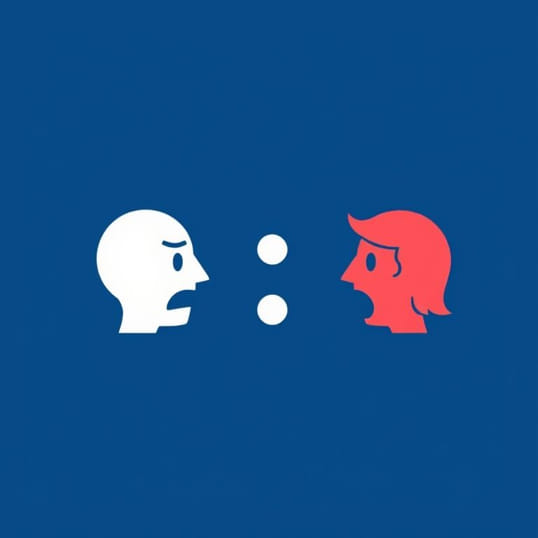
Confrontational Definition For Kids
Understanding the meaning of words is an important part of learning language and communication skills for children. One word that can sometimes be confusing is confrontational. For kids, it is helpful to explain this word in simple and relatable terms so they can understand what it means and how it might appear in everyday situations. Being confrontational does not always mean being mean or aggressive, but it generally refers to the way someone behaves when they challenge or oppose others, sometimes in a direct or argumentative way. Teaching children about the word confrontational helps them recognize certain behaviors, respond appropriately in social situations, and develop skills for handling conflicts in a calm and positive manner.
What Does Confrontational Mean?
The word confrontational describes behavior that is aggressive, argumentative, or ready to face someone in a challenging way. It comes from the verb confront, which means to face or deal with a situation directly, especially when there is a disagreement or problem. When someone is confrontational, they may speak loudly, argue strongly, or challenge others without trying to understand their point of view first. Being confrontational is different from being assertive; while assertiveness is about expressing your thoughts and needs respectfully, confrontational behavior can create tension or conflict.
Simple Definition for Kids
For kids, a simple way to understand confrontational is
- When someone is being pushy or arguing with others in a strong or aggressive way.
- When someone wants to fight or disagree instead of finding a calm solution.
- When a person does not listen to others and tries to prove they are right.
Examples of Confrontational Behavior
Examples help kids see what confrontational behavior looks like in real life. By using situations that are familiar to children, they can recognize confrontational behavior in themselves or others.
School Situations
- A student yells at a classmate because they disagreed about a game rule instead of talking calmly.
- Two friends argue loudly over a toy instead of sharing or taking turns.
- Someone refuses to listen to a teacher’s instructions and keeps interrupting others to prove their point.
Playground Situations
- A child pushes another child to get their way during a game instead of waiting patiently.
- Kids shout at each other when they don’t agree instead of using words calmly.
- Someone challenges a friend aggressively instead of asking questions or solving the problem together.
Why It’s Important to Understand Confrontational Behavior
Helping kids understand what confrontational means is important because it teaches them about feelings, relationships, and social skills. Children who recognize confrontational behavior can learn how to respond in ways that reduce conflict rather than create it. They can also reflect on their own actions and learn when it is okay to stand up for themselves and when it is better to stay calm and use polite words.
Benefits of Learning About Confrontational Behavior
- Helps children understand why some arguments happen and how to avoid unnecessary fights.
- Encourages empathy by teaching kids to see how their behavior affects others.
- Improves communication skills, as children learn to express themselves respectfully instead of aggressively.
- Supports problem-solving skills, helping children find calm ways to handle disagreements.
Ways to Handle Confrontational Situations
Once children understand what confrontational behavior looks like, they can also learn strategies to handle it. Teaching kids ways to respond calmly and positively helps them navigate social situations effectively and maintain healthy relationships.
Tips for Kids
- Take a deep breath before responding to someone who is being confrontational.
- Use polite words to explain how you feel instead of yelling or pushing back aggressively.
- Walk away if the situation is too heated and find an adult to help if needed.
- Listen to the other person’s perspective and try to understand their feelings.
- Offer solutions or compromises instead of insisting on winning the argument.
Teaching Confrontational in a Positive Way
When explaining confrontational to kids, it is helpful to focus on both understanding and emotional learning. Role-playing, storytelling, and real-life examples can make the concept clear. Children can practice what it feels like to be calm and respectful, even when someone else is being confrontational. Parents and teachers can also encourage discussions about feelings, fairness, and problem-solving, helping children understand the difference between standing up for themselves and being unnecessarily confrontational.
Role-Playing Activities
- Act out scenarios where one child is confrontational and the other responds calmly to resolve the situation.
- Practice using I feel statements, such as I feel upset when you take my toy without asking.
- Discuss what happened in the role-play and how the situation could have been handled better.
Confrontational behavior is an important concept for kids to understand because it helps them recognize certain types of actions and learn how to respond in a positive way. By defining confrontational in simple terms, providing examples, and teaching strategies for handling conflicts, children can develop better social skills, empathy, and emotional intelligence. Learning about confrontational behavior equips kids to handle disagreements, communicate effectively, and build stronger, healthier relationships with peers, teachers, and family members. Understanding this word also supports personal growth, helping children become confident, respectful, and thoughtful communicators in everyday life.