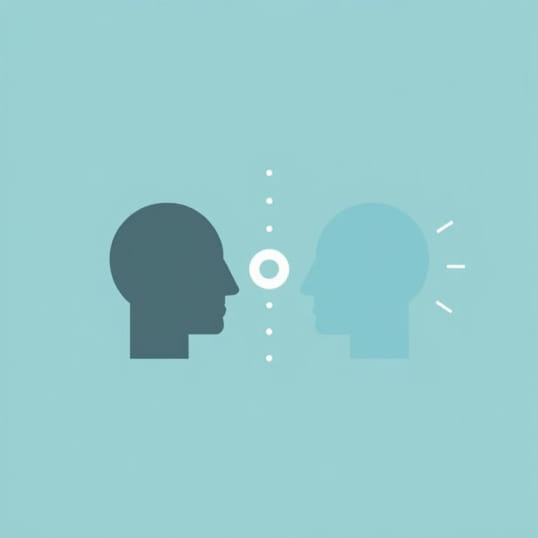
Confirmation Bias Vs Hindsight Bias
Human thinking is often influenced by mental shortcuts and psychological tendencies that shape the way we interpret information. Two of the most discussed cognitive biases are confirmation bias and hindsight bias. While they may sound similar, they operate in different ways and affect decision-making, memory, and judgment. Understanding these biases not only helps individuals recognize their own thought patterns but also improves critical thinking skills and reduces errors in reasoning. Comparing confirmation bias vs hindsight bias provides insight into how our minds work and why we sometimes make flawed judgments without even realizing it.
Understanding Confirmation Bias
Confirmation bias refers to the tendency to seek, interpret, and remember information that confirms one’s existing beliefs or expectations. People affected by this bias often ignore or undervalue evidence that challenges their views. This bias plays a significant role in personal decision-making, scientific research, and even political debates.
How Confirmation Bias Works
When individuals hold a belief, they subconsciously filter the information they consume. For instance, a person who believes a certain diet is effective may only pay attention to success stories while dismissing research showing negative outcomes. This selective thinking reinforces their original viewpoint, making it harder to consider alternative perspectives.
Examples of Confirmation Bias
- A student who believes they are bad at math may only remember times they struggled, ignoring moments when they solved problems successfully.
- In politics, voters often watch news outlets that align with their beliefs, reinforcing their existing opinions while rejecting opposing viewpoints.
- Investors may continue supporting a failing stock because they only focus on minor positive signs and disregard clear warning signals.
Understanding Hindsight Bias
Hindsight bias, sometimes referred to as the I-knew-it-all-along effect, is the tendency to believe that past events were more predictable than they actually were. After an event occurs, people often claim they foresaw the outcome, even if they had no way of knowing beforehand.
How Hindsight Bias Works
This bias occurs because people reconstruct memories in light of new information. Once an outcome is known, the human brain reshapes its understanding of the past, creating the illusion that the event was inevitable. This can distort memory, reduce learning opportunities, and lead to overconfidence.
Examples of Hindsight Bias
- After a sports team wins a championship, fans may claim they always knew the team would succeed, even if they doubted it earlier in the season.
- Following an election result, individuals may insist the winner was obvious all along, despite polls showing uncertainty before the event.
- In financial markets, once a stock crashes, investors may convince themselves that the signs were clear, even though they did not act beforehand.
Confirmation Bias vs Hindsight Bias
Although both biases distort thinking, they differ in focus and timing. Understanding these distinctions highlights why they impact decision-making in unique ways.
Timing of the Bias
Confirmation bias occurs before or during the decision-making process. It affects how people gather and interpret evidence while forming judgments. In contrast, hindsight bias occurs after the outcome is known, reshaping memories and creating an illusion of predictability.
Nature of Distortion
Confirmation bias distorts perception by filtering information, while hindsight bias distorts memory by rewriting how events are recalled. The first is about selective attention, the second about retrospective illusion.
Impact on Behavior
- Confirmation biasLeads individuals to resist change, ignore contradictory evidence, and maintain rigid beliefs.
- Hindsight biasLeads individuals to overestimate their predictive abilities and underestimate the role of chance or uncertainty.
Psychological Roots of Both Biases
Both confirmation bias and hindsight bias stem from the brain’s attempt to simplify complex information. Human beings seek cognitive comfort by reducing uncertainty and reinforcing coherence in their worldview. While this helps with quick decision-making, it can also mislead judgment and reduce accuracy.
Need for Cognitive Consistency
Confirmation bias arises from the need for consistency. People prefer harmony between their beliefs and the evidence they accept, avoiding the discomfort of cognitive dissonance. This explains why people often dismiss facts that contradict their worldview.
Need for Predictability
Hindsight bias arises from the need to view the world as predictable and controllable. Believing that events were foreseeable gives individuals a sense of security, even if this belief is inaccurate. It creates the illusion of understanding in an unpredictable environment.
Real-Life Consequences
Both biases influence real-world outcomes in personal life, business, law, and science. Recognizing their impact is crucial for making better decisions.
In Law and Justice
Hindsight bias can influence jurors who believe an accident was inevitable once they know the outcome, potentially leading to unfair judgments. Confirmation bias can affect investigators who focus only on evidence supporting their initial theory while ignoring contradictory clues.
In Business and Finance
Confirmation bias leads investors to stick with poor strategies, while hindsight bias makes them believe they should have predicted past market shifts. Both hinder learning from mistakes and cloud objective analysis.
In Science and Research
Researchers may fall into confirmation bias by only publishing results that support their hypothesis. Hindsight bias can affect how discoveries are interpreted, making them appear more obvious than they actually were at the time.
How to Overcome These Biases
While biases cannot be fully eliminated, awareness and deliberate strategies can minimize their impact.
- Seek opposing viewpointsChallenge your beliefs by exposing yourself to different perspectives.
- Keep a record of predictionsWriting down expectations before outcomes occur helps reduce hindsight bias.
- Use critical thinking frameworksStructured decision-making reduces the risk of selective attention and faulty memory.
- Encourage peer reviewIn research, inviting others to evaluate findings helps identify blind spots caused by biases.
Confirmation bias and hindsight bias illustrate how human cognition is influenced by unconscious patterns that shape judgment and memory. While confirmation bias filters information to reinforce existing beliefs, hindsight bias rewrites the past to make events seem predictable. Both can have serious consequences in everyday life, from personal decisions to professional practices. By becoming aware of these biases and adopting strategies to counter them, individuals can improve their reasoning, make fairer judgments, and embrace a more balanced view of the world. Recognizing the difference between confirmation bias vs hindsight bias is not only an academic exercise but also a practical tool for better decision-making.