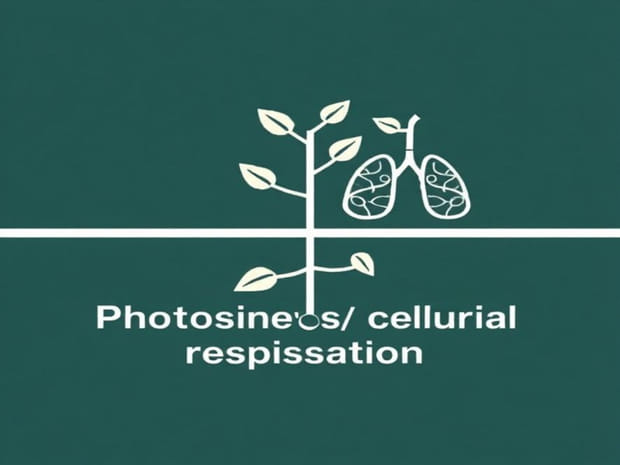
Compare And Contrast Photosynthesis And Cellular Respiration
Photosynthesis and cellular respiration are two fundamental biological processes that sustain life by managing energy flow within cells and ecosystems. While photosynthesis converts light energy into chemical energy stored in glucose, cellular respiration breaks down glucose to release usable energy for cellular activities. Both processes are interconnected, forming the basis of the energy cycle in living organisms. Comparing and contrasting them provides insight into their roles, mechanisms, and significance in biology.
Overview of Photosynthesis
Photosynthesis is the process by which green plants, algae, and certain bacteria capture light energy from the sun and convert it into chemical energy stored in carbohydrates, mainly glucose. This process occurs primarily in the chloroplasts of plant cells, where pigments like chlorophyll absorb sunlight. Photosynthesis is crucial not only for producing food for autotrophs but also for generating oxygen, which supports aerobic life on Earth.
Steps of Photosynthesis
Photosynthesis occurs in two main stages
- Light-dependent reactionsThese reactions take place in the thylakoid membranes, where sunlight is absorbed by chlorophyll, water molecules are split, oxygen is released, and energy carriers like ATP and NADPH are produced.
- Calvin cycle (light-independent reactions)This cycle occurs in the stroma, where carbon dioxide is fixed into glucose using ATP and NADPH generated from the light-dependent reactions.
Equation of Photosynthesis
The overall chemical equation for photosynthesis is
6 CO2+ 6 H2O + light energy → C6H12O6+ 6 O2
Overview of Cellular Respiration
Cellular respiration is the process by which cells extract energy from organic molecules such as glucose to produce ATP, the energy currency of the cell. This process occurs in the mitochondria of eukaryotic cells and can also take place in the cytoplasm during anaerobic respiration. Cellular respiration is vital for maintaining cellular functions, including growth, repair, and active transport.
Steps of Cellular Respiration
Cellular respiration includes several stages
- GlycolysisOccurring in the cytoplasm, glycolysis breaks down one glucose molecule into two molecules of pyruvate, producing a small amount of ATP and NADH.
- Pyruvate oxidation and the Krebs cycleIn the mitochondria, pyruvate is converted to acetyl-CoA, which enters the Krebs cycle, generating NADH, FADH2, and CO2as a byproduct.
- Electron transport chain (ETC) and oxidative phosphorylationHigh-energy electrons from NADH and FADH2move through the ETC, driving the production of ATP. Oxygen acts as the final electron acceptor, forming water.
Equation of Cellular Respiration
The overall chemical equation for aerobic respiration is
C6H12O6+ 6 O2→ 6 CO2+ 6 H2O + ATP (energy)
Comparison of Photosynthesis and Cellular Respiration
Despite serving opposite purposes, photosynthesis and cellular respiration share several similarities. Both processes involve complex biochemical pathways, utilize enzymes to catalyze reactions, and rely on electron transport chains and energy carriers such as ATP and NADPH/NADH. Furthermore, both processes are essential for maintaining energy balance in ecosystems, with photosynthesis producing glucose and oxygen that respiration consumes.
Similarities
- Both involve redox reactions, where electrons are transferred from one molecule to another.
- ATP is a key energy carrier in both processes.
- Electron transport chains are central to energy production in both processes.
- Both processes are crucial for life and contribute to the carbon and oxygen cycles.
Contrasts Between Photosynthesis and Cellular Respiration
While they are interconnected, photosynthesis and cellular respiration have significant differences in their mechanisms, energy flow, and biological roles.
Differences
- Energy directionPhotosynthesis converts light energy into chemical energy, storing it in glucose, whereas cellular respiration releases chemical energy from glucose to generate ATP.
- LocationPhotosynthesis occurs in chloroplasts; cellular respiration occurs primarily in mitochondria.
- Reactants and productsPhotosynthesis uses carbon dioxide and water to produce glucose and oxygen; cellular respiration uses glucose and oxygen to produce carbon dioxide, water, and ATP.
- Dependence on lightPhotosynthesis requires light energy; cellular respiration can occur both aerobically (with oxygen) and anaerobically (without oxygen).
- Electron carriersPhotosynthesis uses NADP+to form NADPH, whereas cellular respiration uses NAD+and FAD to form NADH and FADH2.
Interrelationship Between Photosynthesis and Cellular Respiration
Photosynthesis and cellular respiration are complementary processes in the biosphere. The glucose and oxygen produced during photosynthesis serve as the primary reactants for cellular respiration. Conversely, the carbon dioxide and water produced during respiration are essential inputs for photosynthesis. This cyclical relationship maintains energy flow and material balance in ecosystems, linking autotrophic and heterotrophic organisms in a continuous cycle of energy conversion.
Ecological Significance
On a global scale, photosynthesis captures solar energy and forms the foundation of food chains, supporting herbivores, carnivores, and decomposers. Cellular respiration, by releasing energy from consumed organic matter, powers the activities of all living cells. Together, these processes regulate atmospheric levels of oxygen and carbon dioxide, playing a critical role in climate regulation and the sustainability of life on Earth.
In summary, photosynthesis and cellular respiration are essential biological processes that manage energy conversion in opposite but interconnected ways. Photosynthesis stores energy in glucose using light, while cellular respiration releases that stored energy to power cellular functions. Comparing and contrasting these processes highlights their mechanisms, similarities, differences, and ecological importance. Understanding these processes provides a foundational knowledge of energy flow, cellular function, and the intricate balance that sustains life across ecosystems.