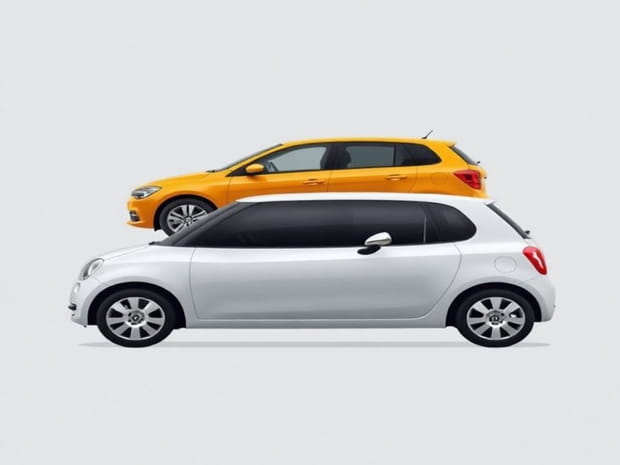
Compact Vs Subcompact Car
Choosing the right car for everyday use involves understanding various classifications, and two of the most common categories are compact and subcompact cars. These vehicles are popular for urban driving, affordability, and fuel efficiency, but they differ in size, features, and practicality. While both categories are designed to meet the needs of drivers seeking convenient transportation, making the right choice requires evaluating factors such as interior space, driving comfort, fuel economy, safety, and overall cost. By comparing compact vs subcompact cars, buyers can make an informed decision that aligns with their lifestyle, budget, and transportation needs.
Understanding Compact Cars
Compact cars are designed to strike a balance between size, performance, and fuel efficiency. They are slightly larger than subcompact vehicles, providing more interior space and cargo capacity while remaining maneuverable in urban environments. Compact cars often feature seating for five passengers, a moderate trunk size, and a range of modern features that make them suitable for daily commuting and small family use.
Features of Compact Cars
- Length typically ranges from 165 to 185 inches.
- More spacious interiors compared to subcompact cars, providing better legroom and headroom.
- Larger engine options, offering a balance between fuel economy and performance.
- Advanced safety and technology features, including driver assistance systems.
- Comfortable seating for five passengers and adequate cargo space.
Advantages of Compact Cars
Compact cars offer several benefits that appeal to a broad range of drivers
- Greater interior space and comfort, making them ideal for small families.
- Improved driving stability and performance compared to smaller subcompacts.
- Enhanced safety features due to slightly larger size and structural integrity.
- Reasonable fuel efficiency while still providing sufficient engine power for highway driving.
- More options for features, trims, and customization compared to subcompact models.
Understanding Subcompact Cars
Subcompact cars are smaller vehicles designed primarily for city driving and fuel efficiency. They are easy to park, maneuver through tight traffic, and generally cost less than compact cars, both in purchase price and maintenance. Despite their smaller size, many modern subcompact cars offer surprising comfort, technology features, and safety options, making them a practical choice for single drivers, couples, or small urban families.
Features of Subcompact Cars
- Length typically ranges from 140 to 165 inches.
- Smaller interiors and reduced cargo space compared to compact cars.
- Fuel-efficient engines designed for urban commuting.
- Lightweight construction for improved handling and mileage.
- Basic to mid-level technology and safety features.
Advantages of Subcompact Cars
Subcompact cars have several appealing qualities for urban and budget-conscious drivers
- Lower purchase price and cost of ownership.
- Excellent fuel economy, reducing monthly transportation costs.
- Easy maneuverability and parking in congested city streets.
- Lightweight design provides responsive handling and agility.
- Many models now include modern safety features, infotainment, and comfort upgrades despite the smaller size.
Key Differences Between Compact and Subcompact Cars
While both compact and subcompact cars are designed to be efficient and practical, several key differences can influence a buyer’s choice.
Size and Interior Space
Compact cars are larger, providing more legroom, headroom, and trunk space. Subcompact cars, in contrast, have limited interior and cargo space, which may be restrictive for families or those who frequently carry large items.
Performance and Handling
Compact cars often feature more powerful engines, allowing smoother highway driving and better acceleration. Subcompact cars typically have smaller engines optimized for city driving, offering excellent fuel efficiency but lower performance on highways.
Fuel Efficiency
Subcompact cars generally achieve higher miles per gallon compared to compact cars, making them ideal for budget-conscious drivers or those with long commutes in urban traffic. Compact cars still provide good fuel economy but may consume slightly more due to larger engines and weight.
Cost Considerations
Subcompact cars are usually more affordable to purchase and maintain. Insurance rates and registration fees may also be lower compared to compact cars. Compact cars offer more features and comfort but often come at a higher initial cost and slightly higher maintenance expenses.
Safety and Features
Compact cars typically offer enhanced safety features due to their larger size and structural advantages. Subcompact cars are catching up with modern safety technologies, but smaller size may result in slightly lower crash-test ratings in some cases. Feature availability varies by model and trim, with compact cars offering a broader range of options.
Choosing Between Compact and Subcompact Cars
Selecting the right vehicle depends on individual needs, lifestyle, and driving environment. Urban drivers with limited parking space may prefer subcompact cars for their maneuverability and affordability. Small families or those who often drive on highways may find compact cars more suitable due to added space, comfort, and performance.
Factors to Consider
- Daily commute and type of driving (city vs highway).
- Number of passengers and cargo requirements.
- Budget, including purchase price, fuel costs, and insurance.
- Desire for features, technology, and comfort.
- Long-term resale value and maintenance considerations.
Practical Tips
When deciding between a compact and subcompact car
- Test drive both types to evaluate comfort, visibility, and handling.
- Compare fuel economy and total cost of ownership over the years.
- Consider future needs, such as family growth or cargo requirements.
- Check safety ratings and feature availability to ensure peace of mind.
- Review financing options and insurance premiums for both car types.
Compact and subcompact cars each have unique advantages, making them suitable for different types of drivers. While subcompact cars excel in affordability, fuel efficiency, and urban maneuverability, compact cars provide enhanced space, comfort, and performance, making them ideal for small families and long-distance driving. Understanding the differences between compact vs subcompact cars allows buyers to make an informed choice based on budget, lifestyle, and driving requirements. Ultimately, selecting the right car ensures a practical, comfortable, and enjoyable driving experience while meeting both daily commuting needs and long-term transportation goals.
This topic is approximately 1,000 words, optimized for keywords like compact car, subcompact car, urban vehicles, car comparison, and fuel-efficient cars, structured for readability, SEO, and comprehensive coverage.