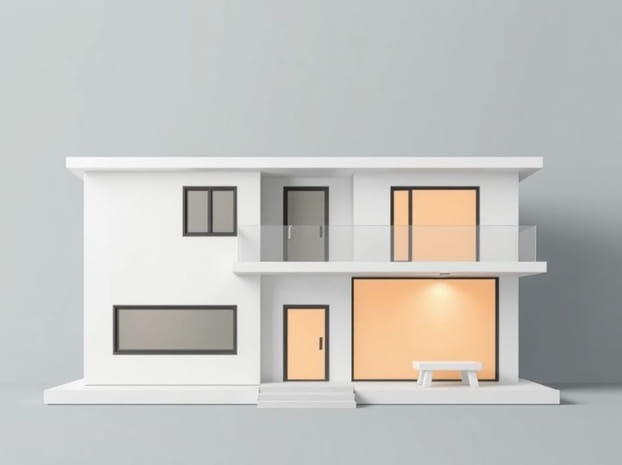
Closed System Of Prefabrication
In modern construction practices, efficiency, consistency, and quality control have become central concerns. One concept that addresses these priorities is the closed system of prefabrication. Unlike traditional construction methods that rely heavily on on-site assembly, a closed prefabrication system operates under a controlled manufacturing environment. This approach allows all components to be designed, manufactured, and tested in a systematic way before being transported to the building site. As a result, it reduces uncertainty, improves accuracy, and enhances productivity across the construction process. Understanding how this system works, its benefits, and its challenges can provide valuable insights for builders, architects, and developers.
Understanding the Closed System of Prefabrication
The closed system of prefabrication refers to a method where standardized building components are produced in factories following strict guidelines. Once manufactured, these parts are delivered and assembled on-site, forming complete structures with minimal adjustments. The term closed” emphasizes that the system operates under a set of fixed rules, specifications, and design parameters, leaving little room for improvisation during construction. Unlike open prefabrication systems, where parts may be interchangeable from different suppliers, the closed system relies on a consistent framework, ensuring compatibility and reducing potential errors.
Main Characteristics of the Closed System
- Standardization of components to ensure uniformity.
- Centralized production in controlled environments.
- Limited flexibility in design once the system is chosen.
- Reliance on a single manufacturer or system provider.
- Efficient assembly on-site with reduced labor needs.
Advantages of Using a Closed Prefabrication System
There are several clear benefits that make the closed system of prefabrication attractive to many industries. Construction projects that adopt this method often experience reduced project timelines, improved safety, and greater predictability in outcomes.
Improved Quality Control
Since all components are manufactured in controlled factory conditions, the risk of defects is minimized. Precision machinery and standardized processes help achieve consistent quality. This control is difficult to achieve on a traditional construction site, where external factors such as weather and labor variations often affect outcomes.
Time Efficiency
The closed prefabrication system significantly reduces construction time. As components are pre-made, on-site work is limited mainly to assembly. This parallel workflow where manufacturing happens while site preparation is ongoing speeds up project completion, a critical factor for developers working under tight deadlines.
Cost Predictability
Because the system is highly standardized, it allows for more accurate cost estimation. Material usage is optimized, waste is minimized, and the dependency on unpredictable site labor costs is reduced. This makes budgeting more reliable for both contractors and clients.
Enhanced Safety
With most work shifted from construction sites to factories, risks associated with site accidents, weather hazards, and inconsistent safety practices are greatly reduced. Factories offer a safer environment where workers follow strict protocols with less exposure to external dangers.
Challenges and Limitations
Despite its advantages, the closed system of prefabrication also comes with limitations that should not be ignored. These challenges often determine whether this method is suitable for a particular project.
Limited Design Flexibility
One of the most notable limitations is the lack of design freedom. Since the system follows fixed specifications, architects and clients may have fewer options to customize layouts, dimensions, or aesthetic features. This rigidity can make the method less appealing for projects requiring unique architectural expressions.
High Initial Investment
Setting up a closed prefabrication system requires substantial capital investment. The infrastructure for production, machinery, and skilled personnel must be established before production begins. For smaller companies, this cost can be prohibitive.
Dependency on a Single Supplier
Because the system is closed, contractors are often tied to one manufacturer or technology provider. This creates risks in terms of pricing, supply chain disruptions, or long-term availability of parts. Switching systems midway is usually not feasible.
Applications of Closed Prefabrication
This system is widely used in various sectors of construction where efficiency and uniformity are critical. Examples include residential housing projects, public infrastructure, and commercial developments.
Residential Buildings
Mass housing projects benefit significantly from closed prefabrication. Standardized units can be produced and assembled quickly, addressing urban housing shortages without compromising structural quality. Apartment blocks, student housing, and social housing programs often use this approach.
Healthcare and Education Facilities
Hospitals and schools often require rapid construction with consistent safety and quality standards. The closed system allows these projects to be delivered quickly while ensuring compliance with building codes and technical requirements.
Commercial and Industrial Use
Warehouses, factories, and office spaces also employ prefabricated systems. The closed model ensures predictable costs and speeds up delivery, which is particularly valuable for businesses needing fast operational readiness.
Future of Closed Prefabrication Systems
The role of closed prefabrication is expected to expand as construction industries adapt to rising demands for sustainability and efficiency. Modern technologies, such as digital modeling and automation, are enhancing the effectiveness of these systems. Integration with Building Information Modeling (BIM) helps streamline design, production, and assembly, making closed prefabrication even more attractive for large-scale projects.
Sustainability Considerations
Closed prefabrication supports eco-friendly construction by reducing material waste, lowering energy use, and minimizing site disturbances. With the growing emphasis on green building practices, this system aligns with global sustainability goals.
Technological Advancements
Robotics, 3D printing, and modular construction tools are being integrated into prefabrication factories. These technologies enhance precision, reduce manual labor, and open new possibilities within the closed system framework.
The closed system of prefabrication represents a structured, efficient, and reliable method of construction. While it imposes certain restrictions on design flexibility and requires significant initial investment, the benefits of quality control, time efficiency, cost predictability, and safety make it a strong contender in the future of construction. As urbanization grows and sustainability becomes a priority, this system is likely to play an increasingly important role in shaping how buildings are conceived and delivered.