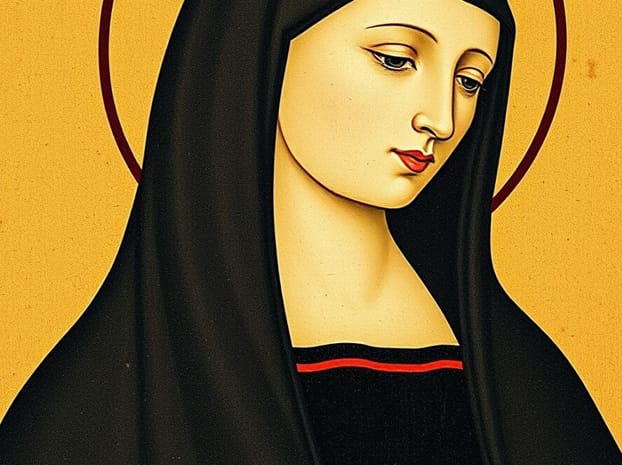
Close Up Van Eyck
Jan van Eyck, a master of Early Netherlandish painting, is celebrated for his incredible attention to detail, vibrant color palettes, and innovative use of oil paint. His works are known for their precise realism and intricate textures, often revealing hidden symbolism that continues to captivate art historians and enthusiasts alike. Observing Van Eyck’s paintings up close allows viewers to appreciate not only his technical mastery but also the profound thought and intention embedded in every brushstroke. The close-up study of his work unveils nuances in light, texture, and color that are often overlooked when viewed from a distance, offering a deeper understanding of his genius.
The Technique of Jan van Eyck
Van Eyck is widely regarded as a pioneer in the use of oil paint, a medium that allowed for greater flexibility, luminosity, and layering than traditional tempera. By building layers of translucent glazes, Van Eyck achieved a depth and vibrancy that gives his subjects a lifelike quality. Close-up examination reveals the meticulous layering process, where each detail from the glint of a metal clasp to the delicate strands of hair is rendered with extraordinary precision. His technical innovations helped lay the groundwork for future generations of Northern European artists.
Use of Light and Reflection
One of the most striking features of Van Eyck’s work is his treatment of light. Close observation reveals the subtle interplay of light and shadow that defines the form of his figures and objects. Reflections on metallic surfaces, dewdrops on fruit, or the glimmer of fabric threads are rendered with painstaking accuracy, demonstrating his acute observation skills. This mastery of light not only enhances realism but also imbues his work with a spiritual and symbolic dimension, as seen in pieces like The Arnolfini Portrait” where reflective surfaces convey hidden layers of meaning.
Symbolism in Detail
Van Eyck’s paintings are filled with symbolic elements that reward close scrutiny. Every object, gesture, and color choice carries potential significance, reflecting religious, social, or moral themes. For example, the intricate flowers, textiles, and domestic items in his work often serve as allegorical symbols of purity, fidelity, or prosperity. By studying these details up close, viewers can uncover the complex narrative layers woven into the composition, offering insight into the culture and beliefs of the 15th century.
Textural Precision
Texture is another area where close examination reveals Van Eyck’s skill. The softness of skin, the crispness of linen, and the reflective shine of jewelry are all achieved through meticulous brushwork and layered glazing. This attention to textural variation enhances realism and engages the viewer in a tactile visual experience, making the painting feel tangible. Such precision is difficult to appreciate from a distance, highlighting the importance of close-up viewing for fully understanding his artistry.
Close-Up Studies of Famous Works
Examining Van Eyck’s masterpieces up close allows for a richer appreciation of his technique and symbolism. In “The Arnolfini Portrait,” for instance, the detailed rendering of the chandelier, mirror, and the couple’s garments reveals Van Eyck’s skill in capturing reflective surfaces and intricate patterns. Similarly, “Madonna of Chancellor Rolin” offers close-up insights into architectural precision, the textures of luxurious fabrics, and the delicate rendering of facial expressions. Each small detail contributes to the overall narrative and emotional impact of the painting.
The Role of Magnification and Technology
Modern technology, such as high-resolution imaging and digital magnification, has revolutionized the study of Van Eyck’s work. Researchers can now examine brushstrokes, pigments, and layering techniques without physically handling the paintings, preserving their condition while revealing previously hidden details. Close-up digital studies show how Van Eyck meticulously built up glazes, blended colors, and used fine lines to create lifelike textures. This has deepened our understanding of his technical genius and provided new insights into his creative process.
Influence on Art History
Van Eyck’s precise, close-up attention to detail set a new standard for realism and influenced countless artists in the Northern Renaissance. Painters such as Rogier van der Weyden, Hans Memling, and later Albrecht Dürer drew inspiration from his techniques, particularly his use of oil paint and intricate textures. The legacy of close observation, attention to reflective surfaces, and symbolic detail became hallmarks of Northern European art, demonstrating how Van Eyck’s innovations resonated far beyond his own time.
Lessons for Contemporary Artists
Studying Van Eyck up close offers valuable lessons for contemporary artists. His mastery of layering, attention to detail, and integration of symbolic content illustrate the potential of careful observation and deliberate technique. Contemporary painters, illustrators, and digital artists can draw inspiration from his ability to combine technical precision with narrative depth. By examining how he transforms simple subjects into rich visual experiences, modern creators can appreciate the importance of nuance, patience, and intentionality in art-making.
Close-up studies of Jan van Eyck’s work illuminate the extraordinary technical skill, symbolic complexity, and aesthetic brilliance of this Early Netherlandish master. Through careful observation of light, texture, color, and detail, viewers gain a deeper understanding of his innovative approach to oil painting and the profound impact of his art. Whether examining a reflective surface, a delicate fold in fabric, or an intricate floral motif, close scrutiny reveals a richness that enhances both appreciation and scholarly study. Van Eyck’s meticulous craftsmanship continues to inspire artists, historians, and art enthusiasts, demonstrating that even in the smallest details, there is immense beauty and meaning waiting to be discovered.