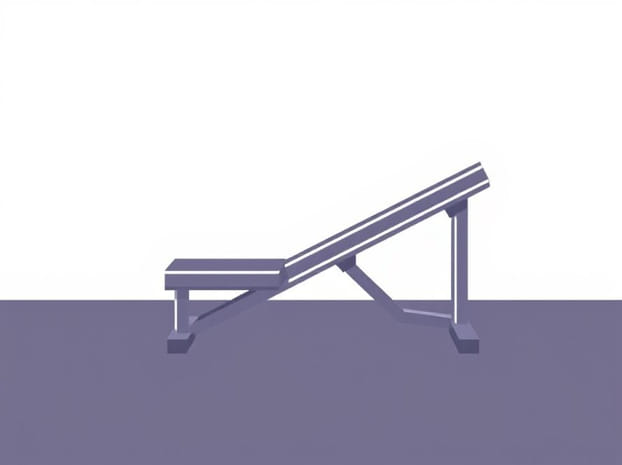
Close Grip Incline Bench
The close grip incline bench press is a powerful exercise designed to target the upper chest, triceps, and shoulders more intensely than the traditional bench press. It combines the incline bench press’s emphasis on the upper pectoral muscles with a narrower grip, which shifts some of the load to the triceps. Fitness enthusiasts, bodybuilders, and athletes often incorporate this exercise into their routines to improve upper body strength, build muscle mass, and enhance pressing power. Understanding the proper form, benefits, and variations of the close grip incline bench press can help maximize results while minimizing the risk of injury.
Understanding the Close Grip Incline Bench Press
The close grip incline bench press involves performing a bench press on an incline bench with the hands positioned closer than shoulder-width apart. This modification alters the mechanics of the lift, increasing triceps activation while still engaging the upper chest and anterior deltoids. Unlike a standard flat bench press, the incline angle (usually between 30 to 45 degrees) directs more emphasis toward the clavicular portion of the pectoralis major, giving the upper chest more targeted development.
How to Perform a Close Grip Incline Bench Press
Executing this exercise correctly is crucial for safety and effectiveness. Follow these steps
- Adjust the incline bench to a 30-45 degree angle.
- Lie back on the bench with your feet flat on the floor and maintain a natural arch in your lower back.
- Grip the barbell with hands closer than shoulder-width apart, typically 6-12 inches apart, depending on comfort and arm length.
- Unrack the bar and hold it directly above your upper chest with arms fully extended.
- Lower the bar slowly toward your upper chest while keeping elbows close to your torso.
- Pause briefly at the bottom, then press the bar back up to the starting position while exhaling.
- Repeat for the desired number of repetitions, maintaining control and proper form throughout.
Muscles Worked
The close grip incline bench press is a compound movement, engaging multiple upper body muscles simultaneously. Key muscles involved include
1. Upper Pectoral Muscles
The incline angle emphasizes the clavicular head of the pectoralis major, making this exercise particularly effective for building the upper chest. Targeted upper chest development helps create a fuller, more balanced chest appearance.
2. Triceps Brachii
The narrow grip shifts significant load onto the triceps, particularly the long and lateral heads. This makes the close grip incline bench press an excellent auxiliary exercise for improving triceps strength, which directly supports pressing power in other lifts.
3. Anterior Deltoids
The front portion of the shoulders is engaged to stabilize the bar and assist in pressing movements. Strengthening the anterior deltoids enhances overall shoulder stability and pressing performance.
4. Supporting Muscles
Other stabilizing muscles include the rotator cuff, serratus anterior, and core muscles, which help maintain balance and control throughout the lift. Proper engagement of these muscles ensures safe execution and reduces the risk of shoulder injuries.
Benefits of the Close Grip Incline Bench Press
Incorporating the close grip incline bench press into your workout offers several benefits for strength, aesthetics, and functional fitness.
1. Enhanced Upper Chest Development
The incline position shifts more load to the upper chest, which is often underdeveloped in lifters focusing primarily on flat bench presses. Regular inclusion of this exercise helps create a balanced, well-defined chest.
2. Increased Triceps Strength
The narrow grip significantly increases triceps activation, leading to stronger arms and improved pressing ability. Strong triceps are essential for enhancing performance in compound lifts such as the bench press, overhead press, and dips.
3. Improved Pressing Power
Combining upper chest and triceps engagement enhances overall pressing strength. This exercise can be particularly beneficial for athletes in sports that require pushing movements, such as football, basketball, and weightlifting.
4. Better Shoulder Stability
The incline angle and controlled movement engage stabilizing muscles around the shoulder joint, improving mobility and reducing the risk of injury. Enhanced shoulder stability also benefits other pressing and overhead movements.
Variations and Modifications
There are several ways to modify the close grip incline bench press to suit different goals, equipment availability, or fitness levels.
1. Dumbbell Close Grip Incline Press
Using dumbbells allows for a greater range of motion and independent arm movement, which can correct muscle imbalances. Dumbbells also reduce joint stress by allowing the wrists to rotate naturally.
2. Smith Machine Close Grip Incline Press
The Smith machine provides additional stability and is useful for beginners or those rehabbing an injury. The guided bar path helps maintain proper form while reducing the need for balancing the weight.
3. Incline Close Grip Bench with Resistance Bands
Adding resistance bands increases tension throughout the lift, particularly at the top of the movement. This variation enhances muscle activation and strength development.
4. Tempo and Paused Reps
Slowing down the eccentric phase or incorporating pauses at the bottom of the lift increases time under tension, promoting muscle hypertrophy and improving control.
Common Mistakes to Avoid
To maximize effectiveness and minimize the risk of injury, it is important to avoid these common mistakes
- Too Narrow GripExtremely narrow grips can strain the wrists and elbows. Keep hands comfortably close but not excessively narrow.
- Flared ElbowsAllowing elbows to flare outward increases shoulder stress. Keep elbows close to your body throughout the movement.
- Arching the Lower Back ExcessivelyMaintain a natural arch without overextending, which can reduce shoulder strain and protect the spine.
- Dropping the Bar Too FastControl the descent to avoid joint stress and maximize muscle engagement.
- Neglecting Shoulder EngagementActively engage the anterior deltoids and stabilizing muscles to maintain form and safety.
Who Should Include the Close Grip Incline Bench Press?
This exercise is suitable for a variety of individuals aiming to improve upper body strength, chest development, or triceps size
- BodybuildersTo enhance upper chest definition and arm size.
- Strength AthletesTo improve pressing power and triceps strength for competitive lifts.
- Fitness EnthusiastsTo diversify upper body routines and prevent plateaus.
- Rehabilitation and PrehabilitationCan be used under supervision to strengthen the upper chest and triceps while improving shoulder stability.
The close grip incline bench press is an effective compound exercise that targets the upper chest, triceps, and shoulders while promoting overall pressing strength and stability. Proper form, controlled execution, and appropriate resistance are essential for maximizing benefits and reducing injury risk. Incorporating variations such as dumbbells, Smith machines, or resistance bands allows for versatility and progressive overload. Whether your goal is muscle hypertrophy, strength development, or functional performance, the close grip incline bench press is a valuable addition to any upper body training program.
Ultimately, this exercise bridges the gap between chest and triceps training, offering a balanced approach to upper body development. Consistency, attention to detail, and gradual progression ensure that individuals can achieve optimal results while maintaining joint health and functional strength. For those looking to build a well-rounded, powerful upper body, the close grip incline bench press is a highly effective and versatile tool in any fitness regimen.