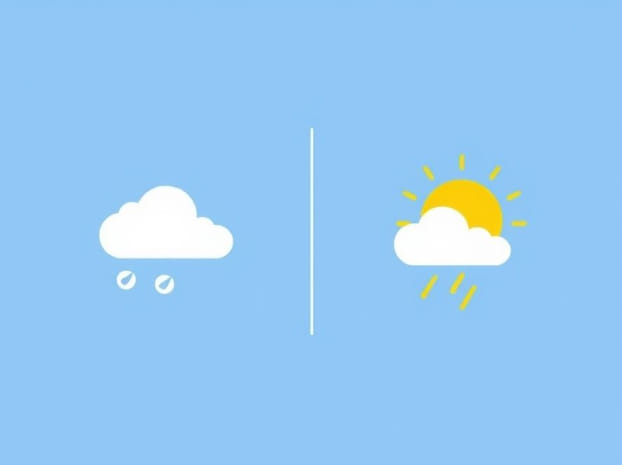
Climate And Weather Difference
Many people use the terms climate and weather interchangeably, but they actually refer to very different concepts. Understanding the difference between climate and weather is important for interpreting forecasts, studying global changes, and preparing for natural events. While both involve atmospheric conditions, the distinction lies in the time scale, patterns, and broader implications. Weather describes short-term changes in the atmosphere, while climate represents long-term averages and trends. By looking more closely at these differences, we can better appreciate how daily conditions and long-term environmental patterns interact.
Defining Weather
Weather refers to the atmospheric conditions we experience on a daily basis. It can change rapidly and is influenced by factors such as temperature, humidity, air pressure, wind, and precipitation. Weather is what you check before going outside, deciding what to wear, or planning an outdoor activity.
Main Elements of Weather
- TemperatureDetermines how hot or cold the atmosphere feels at a given moment.
- HumidityRefers to the amount of moisture in the air, influencing comfort and precipitation.
- PrecipitationIncludes rain, snow, sleet, or hail that falls from clouds.
- WindThe movement of air masses, affecting both temperature and storm development.
- Air PressureChanges in pressure lead to the formation of weather systems.
Short-Term Nature of Weather
Weather conditions can shift within hours or even minutes. A sunny morning can turn into an afternoon thunderstorm, or a calm day can suddenly become windy. These quick changes are typical of weather and demonstrate its temporary character. Meteorologists use satellites, radar, and computer models to predict weather patterns with varying accuracy.
Defining Climate
Climate, in contrast, describes the long-term average of weather conditions in a particular region over decades or even centuries. While weather tells us what to expect on a given day, climate gives a broader picture of the typical patterns and extremes for that location. For example, deserts are known for hot, dry climates, while rainforests are associated with warm, wet climates.
Main Features of Climate
- Temperature trendsAverage seasonal and annual temperatures over many years.
- Precipitation patternsLong-term rainfall or snowfall averages and seasonal variations.
- Seasonal cyclesPredictable changes like monsoons, dry seasons, or winter snowfall.
- Extremes and variabilityFrequency of droughts, heatwaves, or hurricanes in a given region.
Time Scale of Climate
To study climate, scientists typically use at least 30 years of data. This time frame allows researchers to identify meaningful patterns and distinguish short-term fluctuations from long-term trends. Climate science helps explain why certain regions are consistently warm, cool, wet, or dry.
Key Differences Between Climate and Weather
The main difference between climate and weather comes down to time scale and predictability. Weather is immediate and ever-changing, while climate reflects averages and expectations across generations. To make the distinction clearer, let’s compare them side by side
- Weather is short-term; climate is long-term.
- Weather changes daily; climate is stable over decades.
- Weather is what you experience now; climate is what you expect based on history.
- Weather forecasts cover hours to weeks; climate models look at decades to centuries.
Examples to Illustrate the Difference
A helpful way to understand the climate and weather difference is through practical examples. If it rains on a summer afternoon, that is weather. However, if summers in that region are usually hot and dry, that is climate. Similarly, a snowstorm in a city in December is a weather event, but the fact that the city typically has cold winters is a reflection of its climate.
The Role of Climate in Daily Weather
Climate influences what types of weather are most likely to occur in a particular place. For example, tropical climates are prone to heavy rainfall and hurricanes, while polar climates experience long, icy winters. Even though weather may vary daily, climate sets the stage for what is possible. In this sense, climate is like the personality of a region, while weather is its mood at any given moment.
Climate Change and Its Impact on Weather
One reason why distinguishing between climate and weather is essential is the growing concern over climate change. Climate change refers to long-term shifts in average conditions, often driven by human activities such as greenhouse gas emissions. While weather events like storms or heatwaves happen naturally, their frequency and intensity are being influenced by changes in climate.
Examples of Climate Change Effects on Weather
- More frequent and intense heatwaves in regions with warming climates.
- Increased rainfall and flooding in areas where storm patterns are changing.
- Shifts in snowfall and ice cover in colder regions.
- Longer droughts in dry regions, affecting agriculture and water supply.
Studying Weather vs Studying Climate
Meteorologists focus primarily on weather, using tools like satellites, Doppler radar, and numerical models to make predictions. Their goal is to provide short-term forecasts that help people prepare for immediate conditions. Climatologists, on the other hand, study long-term atmospheric patterns, using historical data, ice cores, tree rings, and global models to understand trends. Their work informs policy, environmental planning, and research on global change.
Everyday Importance of Understanding Climate and Weather
Knowing the difference between climate and weather has practical applications in daily life. Travelers use climate information to plan vacations, farmers rely on climate data to select crops, and city planners design infrastructure with climate risks in mind. Meanwhile, individuals use weather forecasts to decide whether to carry an umbrella or wear a jacket. Both scales of understanding are essential, but they serve different needs.
Misconceptions About Climate and Weather
One common misconception is that unusual weather events disprove climate change. For instance, a single cold winter does not mean global warming is false. Climate change is about long-term averages, not isolated weather events. Another misunderstanding is assuming that climate is unchanging; in reality, climate naturally shifts over time, but human influence is accelerating those changes.
The difference between climate and weather lies in their time scale, patterns, and implications. Weather represents short-term atmospheric conditions that change rapidly, while climate describes long-term averages that define regions and ecosystems. Both are interconnected, with climate shaping the likelihood of certain weather events. Recognizing this distinction not only helps in making daily decisions but also in addressing larger issues like climate change. By understanding both weather and climate, we gain a clearer picture of how our planet’s atmosphere functions and how it may evolve in the future.