Cleaning Varnished Wood With Vinegar
Cleaning varnished wood can seem challenging because you want to remove dirt and grime without damaging the protective finish. Many people turn to natural solutions, and vinegar is often recommended as a safe, effective cleaner for various surfaces. However, using vinegar on varnished wood requires care, proper dilution, and the right technique to ensure that the wood remains shiny, smooth, and well-protected. Understanding the balance between cleaning strength and wood safety is key to maintaining varnished surfaces over time.
Why Vinegar Works on Varnished Wood
Vinegar is a mild acid, which makes it effective for cutting through grease, fingerprints, and mineral deposits without the harsh chemicals found in commercial cleaners. Its natural antibacterial properties also help reduce germs on wood surfaces. When used in the correct dilution, vinegar can clean without stripping the varnish or causing discoloration. This makes it a preferred choice for homeowners seeking an eco-friendly and safe cleaning method for furniture, floors, and cabinetry.
The Importance of Dilution
Undiluted vinegar is too strong for varnished surfaces and can damage the finish over time. To avoid this, it’s important to dilute vinegar with water. A typical ratio is one part vinegar to ten parts water for general cleaning. For tougher stains or sticky residues, a slightly stronger solution can be used, but care must be taken to test it on a small, inconspicuous area first. Proper dilution ensures effective cleaning while preserving the varnish and preventing dulling or streaking.
Step-by-Step Guide to Cleaning Varnished Wood with Vinegar
To achieve the best results, follow a systematic approach when cleaning varnished wood. This ensures that dirt is removed safely without harming the finish.
Materials Needed
- White distilled vinegar
- Water
- Soft microfiber cloths or cotton rags
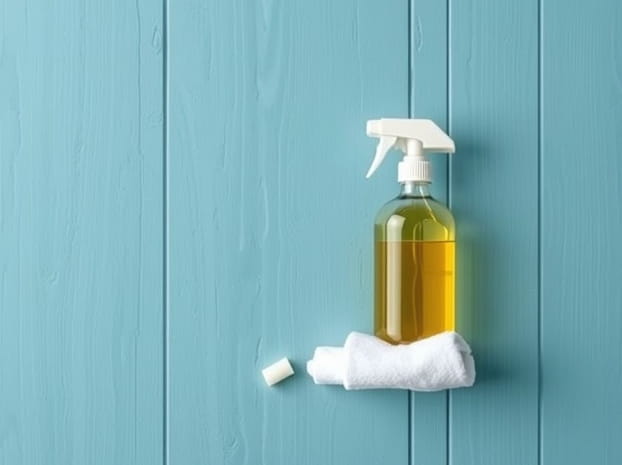
- Spray bottle (optional)
- Dry, clean towels
Cleaning Process
- Prepare the solutionMix one part vinegar with ten parts water in a bowl or spray bottle.
- Dust the surfaceBefore applying any liquid, remove dust and loose debris with a dry microfiber cloth to prevent scratches.
- Apply the solutionLightly dampen a cloth with the vinegar solution. Avoid soaking the cloth, as excess moisture can damage varnished wood.
- Wipe the surfaceGently wipe the wood along the grain. This helps remove dirt while maintaining the natural texture and shine of the varnish.
- Rinse if necessaryFor heavily soiled areas, wipe again with a cloth dampened with clean water to remove vinegar residues.
- Dry the woodUse a dry towel to thoroughly dry the surface. This step is crucial to prevent water spots and maintain the finish.
Tips for Maintaining Varnished Wood
Regular care helps extend the life of varnished wood and keeps it looking polished. Here are some important tips to follow
Prevent Damage
- Use coasters and placemats to avoid direct contact with liquids.
- Avoid harsh chemical cleaners or abrasive tools that can scratch or dull the varnish.
- Keep wood away from direct sunlight to prevent fading or discoloration.
Regular Cleaning Routine
Dusting varnished wood weekly with a dry microfiber cloth prevents buildup of dirt and grime. For more thorough cleaning, use the vinegar solution once a month or as needed. Consistency helps maintain the wood’s natural beauty and prevents damage from accumulated residues.
Dealing with Stubborn Stains
If vinegar alone doesn’t remove sticky spots or stains, combine it with mild dish soap in a diluted form. Use a soft cloth to gently rub the area, then wipe with clean water and dry thoroughly. Avoid aggressive scrubbing, which can wear away the varnish over time. Patience and gentle cleaning are key to preserving the protective layer.
Alternative Methods
While vinegar is effective, there are other natural options for cleaning varnished wood
- Lemon juice and waterProvides a fresh scent and mild cleaning power but should also be diluted.
- Olive oil and vinegar mixA small amount of olive oil can help polish and protect the varnish while cleaning.
- Commercial wood cleanersSpecially formulated for varnished surfaces, offering safe cleaning without risk of damage.
When to Avoid Vinegar
Vinegar should not be used on unsealed, raw, or waxed wood as it can damage these finishes. It is safe only on surfaces with a protective varnish layer. Always perform a patch test in an inconspicuous area before applying vinegar broadly to ensure compatibility with your wood finish.
Cleaning varnished wood with vinegar is an effective, natural, and eco-friendly method that can maintain the beauty of furniture, cabinets, and flooring. The key to success is proper dilution, gentle application, and careful drying. Regular maintenance and attention to detail prevent damage and extend the life of varnished surfaces. By following these techniques and tips, homeowners can keep their wood looking polished and protected, ensuring a long-lasting, elegant appearance without the use of harsh chemicals. With the right approach, vinegar can be a trusted ally in your cleaning routine, delivering both cleanliness and safety for your cherished wood surfaces.