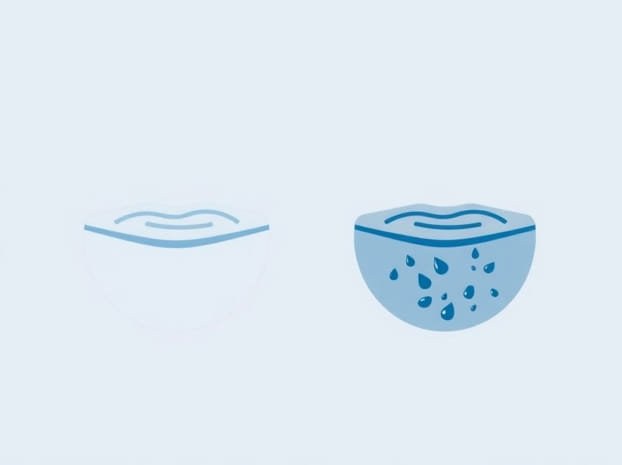
Clean Water And Polluted Water
Water is essential for life, and its quality directly impacts health, the environment, and overall well-being. Clean water is vital for drinking, cooking, hygiene, agriculture, and industrial purposes, whereas polluted water can lead to severe health risks, environmental degradation, and loss of biodiversity. Understanding the differences between clean and polluted water, their sources, causes, and effects, as well as measures to ensure water safety, is crucial for individuals, communities, and policymakers alike. Access to safe, clean water remains a priority for sustainable development worldwide.
Definition of Clean Water
Clean water, often referred to as safe or potable water, is free from harmful contaminants, pathogens, and excessive chemicals. It is safe for human consumption, supports healthy ecosystems, and is suitable for domestic and industrial use. Clean water must meet established health and safety standards, which include acceptable levels of pH, dissolved minerals, and absence of pollutants such as heavy metals, bacteria, and toxins.
Characteristics of Clean Water
- Clear appearance, free from sediments or discoloration
- Neutral taste and odor
- Safe for drinking, cooking, and personal hygiene
- Contains essential minerals in appropriate concentrations
- Supports aquatic life and healthy ecosystems
Definition of Polluted Water
Polluted water is contaminated with harmful substances that make it unsafe for consumption, irrigation, or industrial use. Pollution can result from natural processes, human activities, or industrial discharges. Polluted water can carry pathogens, heavy metals, chemicals, and organic waste that threaten human health, aquatic life, and the environment. Long-term exposure to polluted water can lead to diseases, economic losses, and environmental degradation.
Common Pollutants in Water
- Biological contaminants such as bacteria, viruses, and parasites
- Chemical pollutants including pesticides, fertilizers, and industrial chemicals
- Heavy metals like lead, mercury, and arsenic
- Physical contaminants such as plastics, sediments, and debris
- Excess nutrients leading to eutrophication
Sources of Clean Water
Clean water comes from various natural and treated sources. Natural sources include rivers, lakes, springs, and groundwater that are relatively free from pollutants. Treatment facilities also play a crucial role in ensuring water safety by filtering, disinfecting, and purifying water for human consumption.
Natural Sources
- Freshwater lakes and rivers with minimal industrial and agricultural impact
- Natural springs providing filtered groundwater
- Rainwater collected and stored using safe methods
Treated Sources
- Municipal water systems with filtration and disinfection processes
- Desalinated seawater for regions with limited freshwater
- Advanced purification technologies such as reverse osmosis and UV treatment
Causes of Water Pollution
Water pollution occurs due to various human activities, natural processes, and industrial discharges. Understanding these causes helps in implementing effective strategies to prevent contamination and ensure safe water availability.
Industrial Pollution
Factories often release untreated or poorly treated effluents into rivers, lakes, and oceans. These effluents can contain heavy metals, toxic chemicals, and acidic substances that harm aquatic life and contaminate drinking water sources.
Agricultural Runoff
Pesticides, herbicides, and fertilizers used in agriculture can wash into nearby water bodies during rainfall. Excess nutrients lead to algal blooms and eutrophication, reducing oxygen levels in water and harming aquatic ecosystems.
Domestic Waste
Improper disposal of household waste, sewage, and detergents contributes to water pollution. Untreated sewage can introduce harmful bacteria, viruses, and organic matter into water sources, increasing the risk of waterborne diseases.
Urbanization
Rapid urban development increases surface runoff and carries pollutants from roads, construction sites, and waste disposal areas into water bodies. This process often reduces water quality in both surface and groundwater sources.
Health Impacts of Polluted Water
Polluted water poses serious health risks to humans and animals. Consuming contaminated water or coming into contact with it can lead to various diseases and long-term health issues.
Waterborne Diseases
- Cholera caused by Vibrio cholerae bacteria
- Typhoid fever from Salmonella typhi
- Hepatitis A and E due to viral contamination
- Dysentery caused by protozoa or bacterial pathogens
Long-Term Health Effects
Exposure to chemical pollutants like arsenic, lead, and mercury can lead to neurological disorders, kidney damage, developmental issues in children, and even cancer. Ensuring water safety is critical for public health and sustainable development.
Environmental Impacts
Polluted water affects not only humans but also entire ecosystems. Aquatic species depend on clean water for survival, and contamination disrupts food chains and biodiversity.
- Reduction in aquatic species population due to toxic substances
- Disruption of ecosystems caused by nutrient overloading and algal blooms
- Bioaccumulation of pollutants in fish and other aquatic animals, affecting human food sources
- Degradation of natural habitats and wetlands
Measures to Ensure Clean Water
Providing clean water requires a combination of technological, regulatory, and community-based approaches. Effective management can prevent pollution and ensure sustainable water resources.
Water Treatment and Filtration
- Filtration to remove sediments and particulate matter
- Disinfection using chlorine or UV light to kill pathogens
- Advanced treatments like reverse osmosis for chemical removal
Pollution Prevention
- Proper industrial waste treatment before discharge
- Using environmentally friendly agricultural practices
- Educating communities about safe waste disposal and reducing littering
Regulatory and Policy Measures
- Implementing water quality standards and monitoring programs
- Enforcing penalties for illegal dumping and pollution
- Supporting sustainable water management initiatives
Clean water is essential for life, health, and environmental sustainability, while polluted water poses serious threats to humans, animals, and ecosystems. Differentiating between clean and polluted water, understanding their sources, and recognizing the causes of contamination is crucial for effective water management. Industrial activities, agricultural runoff, domestic waste, and urbanization are major contributors to water pollution, but proactive measures like water treatment, sustainable practices, and regulatory enforcement can safeguard water quality.
Access to clean water is a fundamental human right and a cornerstone of sustainable development. By adopting responsible water management practices, educating communities, and implementing effective policies, society can ensure safe drinking water, preserve aquatic ecosystems, and maintain public health. Promoting awareness about the differences between clean and polluted water empowers individuals to take action, contributing to a healthier and more sustainable world for current and future generations.