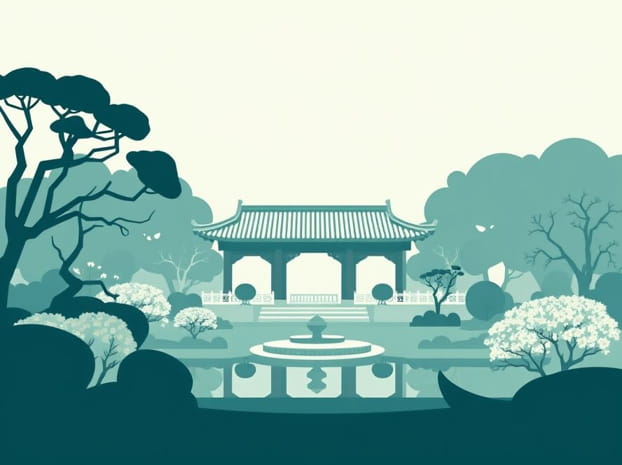
Classical Gardens Of Suzhou
The classical gardens of Suzhou are a collection of exquisite landscapes that showcase the artistry, philosophy, and cultural heritage of traditional Chinese garden design. Located in the city of Suzhou in Jiangsu Province, these gardens have captivated visitors for centuries with their harmonious balance of natural beauty, architecture, and symbolic elements. Often regarded as masterpieces of Chinese landscape art, the gardens combine carefully arranged rocks, flowing water, lush plants, and elegant pavilions to create serene environments that reflect the principles of harmony, balance, and tranquility. Recognized as UNESCO World Heritage Sites, the classical gardens of Suzhou not only preserve centuries of cultural tradition but also offer visitors an immersive experience in the art of Chinese garden design.
History of Suzhou Gardens
The classical gardens of Suzhou date back to the early 6th century, though most of the surviving gardens were constructed between the 11th and 19th centuries. These gardens were primarily built by scholars, officials, and wealthy merchants as private retreats from urban life, providing spaces for relaxation, reflection, and artistic pursuits. The gardens reflect traditional Chinese aesthetics, philosophy, and Confucian ideals, often serving as places to meditate, read, paint, or engage in poetry. Over time, Suzhou became renowned as a center of culture, with its gardens embodying the elegance, refinement, and intellectual sophistication of the region.
Development Through Dynasties
- Song Dynasty (960-1279) Early development of garden design with emphasis on natural landscapes and water features.
- Yuan Dynasty (1271-1368) Expansion of garden aesthetics, integrating artistic elements and philosophical symbolism.
- Ming Dynasty (1368-1644) Flourishing of private gardens with intricate architecture, rockeries, and pavilions.
- Qing Dynasty (1644-1911) Gardens reached peak refinement with careful attention to layout, seasonal plantings, and harmonious design.
Design Principles of Classical Gardens
The classical gardens of Suzhou are renowned for their sophisticated design principles, which emphasize harmony between nature and human creativity. Each garden is carefully planned to balance rocks, water, plants, and architecture, creating a sense of natural beauty and artistic composition. Paths, bridges, pavilions, and corridors are strategically positioned to guide visitors through a series of scenic views, often revealing hidden landscapes or framing picturesque scenes. The gardens are not only visually appealing but also embody cultural and philosophical meanings, reflecting Taoist ideas of nature, Confucian ideals of order, and poetic symbolism.
Key Elements of Garden Design
- RockeriesCarefully arranged rocks and stones symbolizing mountains and creating naturalistic landscapes.
- Water FeaturesPonds, streams, and waterfalls representing rivers, lakes, and the flow of life.
- Pavilions and HallsElegant structures offering spaces for relaxation, contemplation, and social gatherings.
- Plants and TreesSeasonal flowers, bamboo, pine, and plum trees selected for their aesthetic and symbolic significance.
- Pathways and BridgesMeandering paths and arched bridges that reveal views gradually and create a sense of journey through the garden.
Famous Classical Gardens in Suzhou
Suzhou is home to numerous classical gardens, each with its unique features, history, and charm. These gardens are celebrated for their meticulous design, cultural significance, and serene atmospheres. Some of the most notable gardens include
Humble Administrator’s Garden
The Humble Administrator’s Garden, or Zhuo Zheng Yuan, is the largest and most famous garden in Suzhou. Spanning over 5 hectares, it features elegant pavilions, winding waterways, lush greenery, and carefully arranged rockeries. The garden is divided into distinct sections that showcase seasonal plants, reflective pools, and scenic views, making it a perfect example of traditional Chinese landscape design. It was originally built during the Ming Dynasty by a retired government official, and its design reflects the ideals of simplicity, harmony, and intellectual retreat.
Lingering Garden
The Lingering Garden, or Liu Yuan, is renowned for its intricate architecture, charming rockeries, and sophisticated layout. This garden emphasizes harmony between buildings, water, and plantings, creating a picturesque setting that changes with the seasons. It was constructed in the Ming Dynasty and is famous for its covered corridors, stone bridges, and beautifully framed views, offering visitors a sense of tranquility and reflection.
Master of the Nets Garden
The Master of the Nets Garden, or Wang Shi Yuan, is a smaller garden that exemplifies the art of compact design. Despite its modest size, it creates a sense of spaciousness through clever use of water features, pavilions, and strategic viewpoints. Built in the 12th century, the garden reflects the lifestyle of scholars and the importance of artistic and literary pursuits, making it a quintessential example of Suzhou garden elegance.
Other Notable Gardens
- Couple’s Retreat Garden (Ou Yuan) Famous for its scenic water features and romantic atmosphere.
- Garden of the Master of the Nets (Wang Shi Yuan) Known for artistic composition and refined architecture.
- Garden of Cultivation (Yi Yuan) Combines natural beauty with scholarly design, emphasizing simplicity and tranquility.
Cultural and Philosophical Significance
The classical gardens of Suzhou are not merely decorative landscapes; they carry deep cultural and philosophical meanings. They reflect traditional Chinese ideals of harmony between humans and nature, demonstrating the importance of balance, contemplation, and aesthetic refinement. Each element in the garden has symbolic significance rocks represent stability, water symbolizes flexibility, and specific plants convey moral virtues. These gardens were often used by scholars for meditation, poetry, painting, and intellectual discourse, making them centers of cultural and artistic activity.
Symbolism in Garden Design
- Rocks symbolize mountains, strength, and endurance.
- Water represents life, renewal, and flow of energy.
- Plum, bamboo, and pine trees symbolize resilience, flexibility, and longevity.
- Pavilions and corridors provide spaces for reflection, conversation, and scholarly pursuits.
Visiting the Classical Gardens
Today, the classical gardens of Suzhou attract millions of visitors each year from around the world. Tourists can explore the gardens’ winding paths, serene ponds, and elegant pavilions while appreciating their historical and artistic significance. Guided tours offer insights into the cultural and philosophical meanings behind the designs, while visitors can enjoy seasonal changes that add new beauty throughout the year. The gardens provide a peaceful escape from urban life, offering a glimpse into the traditional aesthetics and lifestyle of ancient China.
Tips for Visitors
- Plan visits during weekdays or off-peak hours to avoid crowds and enjoy a tranquil experience.
- Take time to explore slowly, appreciating the changing perspectives and scenic compositions.
- Learn about the historical and cultural background of each garden to enrich the visit.
- Visit multiple gardens to experience a variety of design styles and artistic expressions.
The classical gardens of Suzhou are living masterpieces that combine artistry, philosophy, and cultural heritage in perfect harmony. From the grandeur of the Humble Administrator’s Garden to the intimate elegance of the Master of the Nets Garden, these landscapes offer visitors a unique opportunity to experience the refined aesthetics of traditional Chinese garden design. Beyond their beauty, the gardens embody centuries of cultural traditions, intellectual pursuits, and philosophical ideals, making them a vital part of China’s cultural legacy. Exploring the classical gardens of Suzhou allows one to immerse in history, appreciate nature, and reflect on the enduring connection between human creativity and the natural world.
For travelers and culture enthusiasts alike, the classical gardens of Suzhou represent a must-visit destination. Their timeless beauty, intricate designs, and cultural richness continue to inspire and captivate, offering a serene retreat and a window into the artistic and philosophical achievements of China’s past.