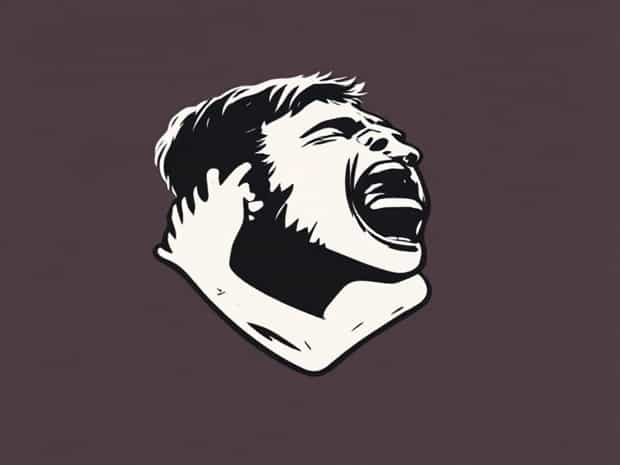
Chris Benoit Crippler Crossface
The Chris Benoit Crippler Crossface is one of the most recognizable submission moves in professional wrestling, known for its intensity and technical precision. Popularized by the late Chris Benoit, the maneuver has become iconic among wrestling fans for its dramatic application and effectiveness in storylines. The Crippler Crossface is more than just a wrestling hold; it represents the athleticism, strategy, and storytelling elements that define professional wrestling. Understanding the mechanics, history, and impact of this move provides insight into why it left such a lasting impression in the world of sports entertainment.
Origins of the Crippler Crossface
The Crippler Crossface was created and popularized by Chris Benoit, a Canadian professional wrestler known for his technical skill and intense in-ring style. Benoit debuted the move during his time in World Championship Wrestling (WCW) and later brought it to World Wrestling Entertainment (WWE). The hold quickly became his signature finishing maneuver, symbolizing his ability to dominate opponents through both strategy and raw physical power. The Crippler Crossface distinguished Benoit from other wrestlers by showcasing his technical prowess and the pain-inducing effectiveness of his submission techniques.
Technical Execution of the Crippler Crossface
The Crippler Crossface is a submission hold that targets the opponent’s neck, head, and upper back. The move requires precise positioning and control to be both visually impressive and safe for performance in the ring. To execute the Crippler Crossface
- The wrestler positions the opponent face-down on the mat.
- They trap one of the opponent’s arms between their legs while securing the head and neck with their arms.
- By applying pressure and pulling back, the wrestler forces the opponent into a position that appears painful and inescapable.
- The visual impact of the hold is enhanced by the wrestler’s posture and the opponent’s reaction, emphasizing the effectiveness of the submission.
This move not only demonstrates technical skill but also allows for dramatic storytelling, as the audience perceives the hold as a turning point or climax in a match. Proper execution requires communication, trust, and athletic precision, as safety is paramount when performing such a physically demanding maneuver.
Popularity and Cultural Impact
The Crippler Crossface gained widespread recognition due to Chris Benoit’s reputation as a relentless and technically proficient wrestler. Fans admired the move for its intensity and the way it showcased Benoit’s in-ring intelligence. Over time, the hold became synonymous with his wrestling persona and was often used as a dramatic climax in matches, signaling that victory was imminent.
Influence on Wrestling Storylines
The Crippler Crossface was often incorporated into match storylines to enhance drama and tension. Opponents would struggle against the hold, creating suspense for the audience. The visual and emotional impact of seeing a wrestler trapped in Benoit’s signature submission added a layer of storytelling that contributed to the entertainment value of professional wrestling.
Adoption by Other Wrestlers
While the Crippler Crossface is strongly associated with Chris Benoit, other wrestlers have adapted similar techniques inspired by the move. Its popularity led to variations and reinterpretations in wrestling schools and independent promotions, demonstrating the influence of Benoit’s innovation on the broader wrestling community.
Safety Considerations
Performing the Crippler Crossface requires strict attention to safety. Despite appearing painful, professional wrestling moves are carefully choreographed to minimize injury. Wrestlers train extensively to execute submission holds like the Crippler Crossface in a way that looks authentic while protecting both performers.
Training and Technique
- Wrestlers practice controlling pressure on the neck and spine to prevent injury.
- Proper communication between performers ensures timing and positioning are precise.
- Gradual application of the hold allows the opponent to tap out or signal surrender without harm.
- Coaches and trainers emphasize body mechanics to replicate realism safely.
These safety protocols are crucial for maintaining the integrity of the performance while allowing fans to experience the drama and excitement of submission-based storytelling.
Memorable Matches Featuring the Crippler Crossface
Several of Chris Benoit’s most memorable matches featured the Crippler Crossface as the finishing maneuver. These matches not only highlighted his technical skill but also contributed to his legacy in professional wrestling. Fans remember the tension and emotional stakes as opponents struggled to escape the hold, with the Crippler Crossface often serving as the decisive moment that determined the outcome of the match.
Iconic Moments
- Benoit’s championship victories often concluded with the Crippler Crossface, reinforcing its status as his signature move.
- Televised matches in WWE and WCW showcased the hold in high-profile bouts, amplifying fan engagement.
- The move’s visual intensity made it a favorite in highlight reels and promotional material.
- Its effectiveness in storytelling cemented Benoit’s reputation as a master technician in the wrestling world.
Legacy of the Crippler Crossface
The Crippler Crossface is remembered as a hallmark of Chris Benoit’s career and a symbol of technical excellence in professional wrestling. Despite the controversy surrounding Benoit’s personal life, the move itself remains a reference point for aspiring wrestlers and fans who appreciate the artistry and skill involved in submission wrestling.
Influence on Future Wrestlers
Many modern wrestlers study the Crippler Crossface to learn the principles of leverage, control, and in-ring storytelling. The move serves as a teaching tool in wrestling schools and training programs, illustrating how technical skill can create dramatic and believable performances. Its design continues to inspire adaptations and variations in contemporary wrestling styles.
Recognition in Wrestling History
The Crippler Crossface holds a place in wrestling history as one of the signature moves that defined an era of technical wrestling. Fans often recall Benoit’s application of the hold as a testament to his commitment to realism, intensity, and athleticism, marking it as a classic in the evolution of professional wrestling techniques.
The Chris Benoit Crippler Crossface represents more than just a submission move; it embodies technical skill, storytelling, and the drama of professional wrestling. By combining precise mechanics with a visually compelling presentation, the hold captivated audiences and solidified Benoit’s reputation as one of the most skilled wrestlers of his time. While safety and careful execution are essential, the Crippler Crossface remains a benchmark for aspiring wrestlers and a memorable element in the history of sports entertainment. Its legacy continues to influence the craft, demonstrating the enduring impact of a well-executed signature move on both performers and fans alike.
Overall, the Crippler Crossface stands as a symbol of wrestling mastery, where athleticism meets strategy and storytelling. Its enduring presence in training, fan discussion, and wrestling lore highlights the significance of submission techniques in crafting compelling performances. Chris Benoit’s innovation with the Crippler Crossface ensures that this move will be remembered as a defining feature of professional wrestling history, inspiring wrestlers and enthralling fans for generations to come.