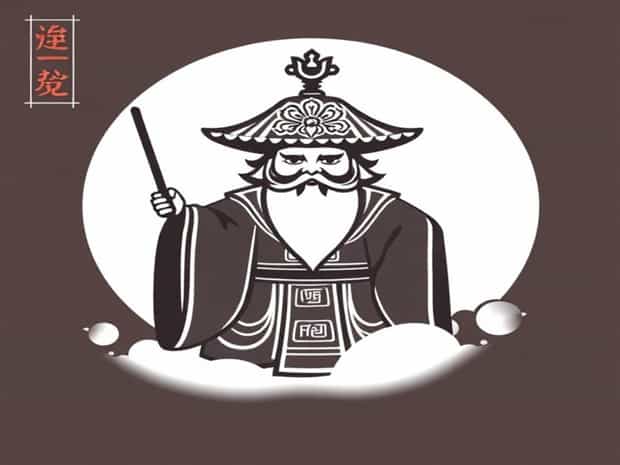
Characteristics Of Peking Opera
Peking Opera, also known as Beijing Opera, is one of the most celebrated and traditional forms of Chinese performing arts, combining music, vocal performance, mime, dance, and acrobatics. Originating in the late 18th century during the Qing Dynasty, Peking Opera has evolved into a highly stylized art form that reflects Chinese cultural values, history, and aesthetics. It is renowned for its elaborate costumes, symbolic makeup, and unique performance techniques that convey complex stories through gestures, expressions, and sounds. Understanding the characteristics of Peking Opera provides insight into its cultural significance, artistic methods, and enduring popularity both in China and internationally.
Historical Background of Peking Opera
Peking Opera emerged in the late 1700s as a synthesis of regional Chinese operatic styles, particularly Anhui and Hubei troupes performing in Beijing. The art form gained imperial patronage and flourished under the Qing Dynasty, eventually becoming a popular form of entertainment for both the court and common people. Over time, Peking Opera developed standardized performance conventions, roles, and musical arrangements that continue to influence the modern form. This rich history contributes to its status as an intangible cultural heritage, preserving centuries-old traditions while adapting to contemporary audiences.
Role Types in Peking Opera
Peking Opera is distinguished by its clearly defined role types, each with unique characteristics, singing styles, and performance techniques. There are four main categories
- ShengThe male roles, which include both young and old characters. Sheng roles are further divided into Laosheng (older men) and Xiaosheng (younger men), each with specific vocal and movement styles.
- DanThe female roles, traditionally played by male actors in early Peking Opera. Dan roles are divided into subclasses such as Qingyi (virtuous women), Huadan (vivacious young women), and Laodan (older women).
- JingThe painted-face roles, representing powerful, bold, or villainous characters. These roles are characterized by elaborate facial makeup and forceful, resonant singing.
- ChouThe clown roles, recognized by a small patch of white makeup on the nose. Chou characters often provide comic relief and employ exaggerated gestures and humorous speech.
Music and Singing in Peking Opera
The music of Peking Opera is essential to its storytelling and emotional expression. Performances feature a combination of vocal singing, instrumental accompaniment, and percussive effects that guide rhythm and action on stage. Traditional instruments, such as the jinghu (a high-pitched two-stringed fiddle), yueqin (moon guitar), and various percussion instruments, create a distinctive musical landscape. Singing styles vary according to the role type, with Sheng roles favoring a smooth, melodious tone, Dan roles expressing grace and delicacy, and Jing roles emphasizing power and intensity.
Vocal Techniques
Performers use highly stylized vocal techniques that require rigorous training. Vibrato, pitch modulation, and breath control are essential for conveying emotion and character. In addition to singing, actors often employ speech patterns that combine poetic recitation with dramatic delivery. These vocal methods, together with the musical accompaniment, create a dynamic and immersive auditory experience for the audience.
Costumes and Makeup
Costumes and makeup are among the most visually striking aspects of Peking Opera. Elaborate silk robes, embroidered gowns, and ornamental headpieces signify a character’s social status, role type, and personality. Color plays a crucial symbolic role in both costumes and makeup, with red often representing loyalty and courage, black indicating integrity or roughness, and white suggesting treachery or cunning.
Facial Makeup
The facial makeup, especially for Jing roles, is highly symbolic. Patterns and colors provide the audience with immediate insight into the character’s personality and intentions. Each design is standardized, allowing viewers familiar with Peking Opera to interpret a character’s traits at a glance. This combination of visual artistry and symbolism is essential to the storytelling process.
Movement and Gestures
Physical movement in Peking Opera is carefully codified, combining dance-like steps, acrobatics, and mime to convey narrative and emotion. Gestures, postures, and footwork are exaggerated and symbolic, allowing performers to express complex ideas and interactions without relying solely on dialogue. Acrobatics and martial arts elements are also integrated into performances, particularly in action scenes involving Jing or Sheng roles. These movements require years of training to achieve precision, balance, and elegance.
Symbolism in Movement
Every movement in Peking Opera carries meaning. Simple gestures, such as a hand wave or a turn of the head, can indicate emotions, social rank, or intentions. Stage props like fans, swords, or ribbons are used to enhance visual storytelling, often representing natural elements like wind or water. This codified system ensures that the audience can follow the story and understand the emotional context even without elaborate scenery.
Stage and Performance Style
Peking Opera traditionally employs minimal stage sets, relying on the performers’ movements and symbolic props to convey setting and action. The stage is an open space where audience focus is drawn to the actors’ expressions, gestures, and vocal delivery. The performance style emphasizes rhythm, repetition, and contrast, balancing lyrical passages with high-energy action sequences. Timing and coordination between performers and musicians are critical to maintaining the flow and dramatic tension of the performance.
Interaction with Music
The performers’ movements are closely synchronized with musical cues, including drumbeats and string melodies. Percussion signals transitions, highlights dramatic moments, and punctuates action, while melodic instruments provide emotional nuance. This integration of music and movement creates a harmonious and immersive experience, allowing the audience to connect with the story and characters on multiple sensory levels.
Cultural Significance
Peking Opera is more than entertainment; it is a cultural symbol representing Chinese history, philosophy, and aesthetics. Its themes often draw on historical events, classical literature, and moral tales that convey Confucian values such as loyalty, filial piety, and righteousness. The art form has influenced other regional Chinese operas and continues to serve as a vehicle for cultural education and heritage preservation. Internationally, Peking Opera is admired for its artistic complexity, vibrant visuals, and unique fusion of music, performance, and symbolism.
Modern Adaptations
While preserving traditional characteristics, modern adaptations of Peking Opera have emerged, incorporating contemporary themes, multimedia effects, and innovative choreography. These adaptations aim to attract new audiences while maintaining the integrity of classical techniques. Modern performers continue rigorous training to master traditional vocal, movement, and costume conventions while experimenting with creative approaches to storytelling.
The characteristics of Peking Opera encompass a rich combination of music, singing, role types, costumes, makeup, movement, and symbolism that together create a unique and enduring art form. From its historical origins to modern adaptations, Peking Opera exemplifies Chinese cultural expression, blending tradition with performance artistry. Its clearly defined role types, elaborate visual elements, stylized gestures, and intricate vocal techniques distinguish it from other performing arts. By understanding these characteristics, audiences can appreciate the depth, beauty, and cultural significance of Peking Opera, ensuring that this treasured tradition continues to captivate viewers around the world for generations to come.