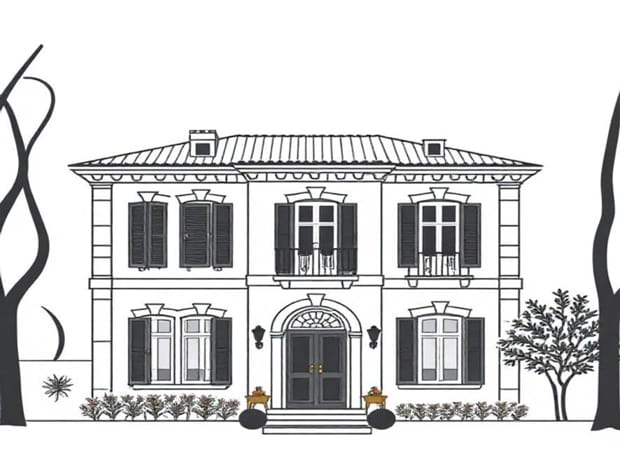
Characteristics Of Italianate Style Homes
Italianate style homes are an iconic architectural style that gained popularity in the United States during the mid-19th century. Inspired by the classical villas of Italy, these homes are renowned for their elegance, ornate details, and romantic appearance. They were part of the picturesque movement, which emphasized beauty, charm, and a harmonious relationship with the surrounding landscape. Today, Italianate homes are admired for their distinctive features, historical significance, and timeless appeal, making them a favorite among architecture enthusiasts and homeowners alike.
Origins and Historical Context
The Italianate style emerged in England during the early 1800s as part of the Picturesque movement, later spreading to the United States around the 1840s. Architects sought to move away from the rigid classical forms of earlier styles like Greek Revival and instead embraced asymmetry, decorative brackets, and low-pitched roofs reminiscent of rural Italian villas. The style was especially popular from 1840 to 1885, often used for urban townhouses, country estates, and suburban homes.
Key Architectural Features
Italianate style homes are recognized by a combination of rooflines, window designs, and decorative elements that together create a cohesive and elegant appearance. Some of the most notable characteristics include
Low-Pitched or Flat Roofs
One of the defining features of Italianate homes is their low-pitched or nearly flat roofs, often with wide, overhanging eaves. These eaves are typically supported by decorative brackets or corbels, which add to the visual interest and classical appeal of the home. The roofline often includes a central cupola or tower, enhancing the villa-like appearance and providing a focal point for the structure.
Tall, Narrow Windows
Windows in Italianate homes are generally tall and narrow, frequently with arched or curved tops. They are often paired with elaborate window crowns or pediments, sometimes featuring decorative hood moldings. This vertical emphasis gives the façade a stately, elegant look, drawing the eye upward and complementing the low-pitched roof.
Ornate Cornices and Brackets
Brackets under the eaves are a hallmark of Italianate architecture, often arranged in pairs and elaborately carved. Cornices may be wide and prominent, contributing to the overall decorative richness. These details create a sense of depth and shadow, emphasizing the craftsmanship and artistic design inherent in Italianate homes.
Square or Boxed Shapes
Italianate homes often have a square or rectangular plan, giving them a solid, imposing presence. While asymmetrical layouts are also common, the boxy shape is frequently complemented by a tower or belvedere, which adds verticality and visual interest. The symmetry or balanced asymmetry reflects the Italian villa influence while accommodating modern American needs of the period.
Decorative Doors and Porches
Entryways in Italianate homes are often accented with double doors, elaborate moldings, and decorative transoms. Porches are frequently one-story and may feature ornate columns or pilasters with intricate detailing. These elements create an inviting and grand entrance while reflecting the craftsmanship that defines the style.
Towers and Cupolas
Many Italianate homes include a central tower or cupola, serving both functional and aesthetic purposes. Towers often rise one or two stories above the main roofline, offering views of the surrounding landscape and enhancing the villa-like character. Cupolas can also provide natural ventilation and light for the interior spaces.
Exterior Materials and Colors
The exterior of Italianate homes varies depending on regional influences and the availability of materials. Common materials include brick, stucco, and wood, often painted in warm, earthy tones to reflect the Mediterranean inspiration. Decorative elements may feature contrasting colors to highlight brackets, cornices, and window trim. In some urban settings, brickwork with detailed moldings adds texture and sophistication to the façade.
Interior Characteristics
The interiors of Italianate homes often mirror the elegance of the exterior, with high ceilings, ornate plasterwork, and grand staircases. Rooms are generally spacious and well-proportioned, designed for both functionality and aesthetic appeal. Decorative fireplaces, crown moldings, and intricate woodwork are common, reflecting the same attention to detail found in the exterior design.
Floor Plans and Layouts
While exterior appearances are highly recognizable, interior layouts can vary. Many Italianate homes feature formal parlors, dining rooms, and libraries, with private family spaces arranged to provide comfort and practicality. The tower or cupola may house a private study, observatory, or sitting room, adding charm and versatility to the home.
Landscaping and Setting
Italianate homes were often designed with their surroundings in mind, emphasizing a picturesque relationship with the landscape. Gardens, pathways, and terraces were commonly incorporated to enhance the villa-like feel. Mature trees, flowering plants, and ornamental shrubbery complement the architecture, creating a serene and elegant environment that reflects the romantic ideals of the style.
Modern Appeal and Preservation
Italianate homes remain highly desirable today due to their timeless charm, craftsmanship, and architectural significance. Many historic Italianate residences have been preserved or restored, maintaining original features such as brackets, cornices, and window moldings. Modern homeowners appreciate these homes for their spacious interiors, elegant exteriors, and historical value, making them a popular choice in both urban and suburban settings.
Restoration Considerations
Restoring an Italianate home requires careful attention to historical accuracy and architectural details. Preserving original woodwork, brick, and plasterwork is essential, as is maintaining or replicating decorative brackets and cornices. Updating electrical, plumbing, and HVAC systems can be done discreetly to preserve the home’s historic character while ensuring modern comfort and safety.
Italianate style homes are celebrated for their elegance, intricate detailing, and romantic influence from Italian villas. Characterized by low-pitched roofs, tall narrow windows, decorative brackets, towers, and ornate porches, these homes reflect the craftsmanship and design principles of the mid-19th century. Both the interiors and exteriors exhibit sophistication, with attention to proportion, decorative elements, and connection to the surrounding landscape. Whether preserved as historic landmarks or restored for modern living, Italianate homes continue to captivate homeowners and architecture enthusiasts, embodying a timeless blend of beauty, functionality, and artistic expression.