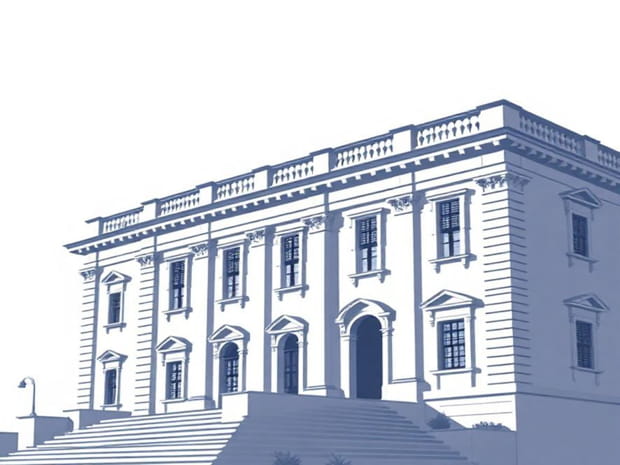
Characteristics Of Italianate Architecture
Italianate architecture, a style that gained prominence in the 19th century, represents a romanticized interpretation of classical Italian Renaissance architecture. It became especially popular in the United States and Britain between the 1840s and 1880s, influencing residential, civic, and commercial buildings. Italianate structures are admired for their elegance, ornamentation, and harmonious proportions, capturing the essence of Italian villas while adapting to local needs and climates. This architectural style is recognized for its distinctive features, including elaborate cornices, arched windows, and low-pitched roofs, which together create a visually appealing and historically significant aesthetic. Understanding the characteristics of Italianate architecture provides insight into the cultural and artistic influences that shaped 19th-century building design.
Origins and Historical Context
The Italianate style originated in England as part of the Picturesque movement, which sought to create visually interesting and asymmetrical compositions inspired by rural Italian villas. Architects such as John Nash and Sir Charles Barry were instrumental in popularizing the style, emphasizing ornate detailing and romantic proportions. As the style spread to the United States, it became a symbol of prosperity and modernity, particularly in rapidly growing urban areas and affluent suburban neighborhoods. Italianate architecture provided an appealing alternative to the more rigid Greek Revival and Gothic Revival styles of the period, offering flexibility and a sense of sophistication.
Roofing Features
One of the most recognizable characteristics of Italianate architecture is the roof design. These buildings often feature low-pitched or even flat roofs, sometimes topped with a cupola or belvedere. Wide, overhanging eaves supported by decorative brackets are signature elements that contribute to the style’s ornate appearance. The rooflines are typically emphasized through the use of cornices, which add a sense of grandeur and provide a transition between the roof and the walls. This focus on the roof creates a silhouette that is both elegant and imposing, contributing to the overall aesthetic appeal of Italianate structures.
Windows and Doors
Italianate architecture is notable for its distinctive window and door treatments. Tall, narrow windows are often rounded or arched at the top, with elaborate hood moldings or pediments that enhance their prominence. These windows may be paired or grouped to create a sense of rhythm and balance across the façade. Doors in Italianate buildings are frequently adorned with decorative panels, transoms, and sidelights, contributing to the style’s intricate detailing. The emphasis on vertical proportions in windows and doors gives the buildings an impression of height and elegance, aligning with the style’s classical inspirations.
Ornamentation and Detailing
Ornamentation plays a central role in Italianate architecture, reflecting the style’s roots in Renaissance aesthetics. Key decorative elements include
- Brackets and CorbelsSupporting wide eaves, these details add texture and depth to rooflines.
- CornicesProjecting moldings that crown walls and provide a visually appealing transition to the roof.
- Window HoodsOrnamental crowns above windows that emphasize the verticality of the façade.
- QuoinsDecorative cornerstones that create visual definition and structural emphasis.
- Porches and BalconiesOften featuring balustrades and intricate railings, adding elegance to entrances.
These ornamental features distinguish Italianate buildings from simpler architectural styles, creating a rich visual texture that is both formal and inviting.
Materials and Construction
Italianate architecture employs a range of materials, depending on the region and intended use of the building. In urban settings, brick and stone are commonly used, providing durability and a sense of permanence. Wooden structures are also prevalent, particularly in suburban and rural areas, where wood allowed for intricate detailing and ease of construction. Facades often include stucco finishes or painted surfaces, mimicking the smooth stone walls of Italian villas. The combination of materials and attention to surface treatments contributes to the style’s timeless appeal and adaptability across different contexts.
Floor Plans and Layouts
The floor plans of Italianate buildings are generally symmetrical but can also include asymmetrical variations to create a picturesque effect. Interiors often feature high ceilings, spacious rooms, and large windows that invite natural light, reflecting the style’s emphasis on elegance and comfort. Central hallways, formal parlors, and dining rooms are common in residential examples, while commercial and civic buildings may include open-plan layouts and grand staircases. The interior design complements the exterior’s ornate detailing, ensuring a cohesive and harmonious architectural experience.
Examples and Influence
Italianate architecture has left a lasting mark on the built environment in both Europe and North America. In the United States, cities such as San Francisco, New York, and Boston showcase numerous Italianate row houses and mansions. Iconic examples include the Renwick Gallery in Washington, D.C., and the A. J. Downing-influenced residences throughout the Hudson Valley. The style’s influence extended to commercial buildings, schools, and government structures, demonstrating its versatility and enduring appeal. Italianate architecture continues to inspire contemporary designers, who draw on its decorative elements, proportions, and harmonious compositions in modern interpretations.
Key Identifying Characteristics
- Low-pitched or flat roofs with wide, overhanging eaves.
- Decorative brackets and cornices emphasizing the roofline.
- Tall, narrow windows, often arched or rounded, with elaborate hoods.
- Ornate doors with transoms and sidelights.
- Use of stucco, brick, or stone finishes with decorative detailing.
- Porches, balconies, and verandas featuring balustrades or intricate railings.
- Symmetrical or asymmetrical façades with a vertical emphasis.
- Quoins and other ornamental stonework enhancing corners and edges.
Italianate architecture represents a rich and influential chapter in the history of design, combining elegance, ornamentation, and classical inspiration. Its key characteristics, including low-pitched roofs, decorative brackets, arched windows, and ornate detailing, create a distinctive and enduring aesthetic. By examining the features and historical context of Italianate buildings, one gains a deeper appreciation for the cultural and artistic movements that shaped 19th-century architecture. Whether in urban centers or rural landscapes, Italianate architecture continues to captivate observers with its balance of sophistication, romance, and visual interest, affirming its place as a beloved and timeless architectural style.