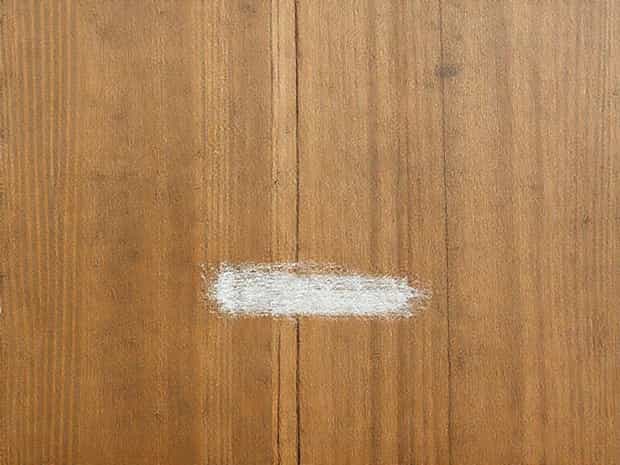
Chalk Paint On Varnished Wood
Many people who enjoy DIY home projects or furniture makeovers often wonder if it is possible to use chalk paint on varnished wood without stripping or sanding. Chalk paint has become popular because of its matte finish, rustic charm, and ease of application. However, when dealing with furniture that already has a shiny varnish or glossy surface, questions about adhesion, durability, and technique naturally come up. Understanding how chalk paint interacts with varnished wood can save time, prevent mistakes, and help achieve beautiful long-lasting results on everything from tables and chairs to cabinets and decorative pieces.
What is Chalk Paint?
Chalk paint is a decorative paint known for its chalky, matte texture. Unlike traditional paints, chalk paint requires minimal preparation and is often chosen for its ability to create vintage or shabby chic looks. Because of its versatile nature, it adheres to a wide variety of surfaces, including metal, glass, and wood. When applying chalk paint on varnished wood, the key advantage is that it often sticks well even without extensive sanding or priming, making it a favorite among crafters and home renovators.
Understanding Varnished Wood
Varnish is a protective finish applied to wood to enhance its durability and shine. Varnished wood surfaces are usually glossy, smooth, and resistant to stains or scratches. While varnish protects furniture, it can also create a challenge for new paint layers to bond properly. This is why many people worry about whether chalk paint will adhere to varnished wood without peeling or chipping.
Challenges with Painting Over Varnish
The glossy surface of varnish can make it harder for paint to grip. If chalk paint is applied directly onto a very shiny varnished surface, it may not last as long as it would on raw or lightly sanded wood. However, with the right preparation techniques and finishing methods, chalk paint can be successfully used on varnished furniture.
Preparation Before Using Chalk Paint
One of the most attractive features of chalk paint is its minimal prep requirements, but a little preparation can go a long way when working with varnished wood. Here are some steps to consider
- Clean the surfaceRemove dust, grease, and dirt with a mild cleaner or soap and water. Residue can prevent chalk paint from adhering properly.
- Lightly sand (optional)While not always necessary, lightly sanding can help the paint grip better, especially if the varnish is very glossy.
- Use a primer (optional)In cases where you want maximum durability, a primer designed for glossy surfaces can provide a stronger base for the chalk paint.
These steps are not always required, but they increase the chances of achieving a smooth, long-lasting finish.
Applying Chalk Paint on Varnished Wood
Once the surface is clean and ready, applying chalk paint is fairly simple. The process usually involves
- Using a quality brush or roller to apply the first coat of chalk paint.
- Allowing the paint to dry completely before adding another layer.
- Applying additional coats as needed until the varnish is fully covered and the desired look is achieved.
Chalk paint often dries quickly, allowing multiple coats to be applied in a single day. For most varnished furniture, two to three coats are enough for full coverage.
Dealing with Bleed-Through
Sometimes varnished wood, especially darker stained wood, can cause tannins or stains to bleed through chalk paint. To avoid this, a stain-blocking primer or an additional layer of chalk paint sealer can be applied before or after painting. This ensures that the final finish remains even and free of discoloration.
Finishing with Wax or Sealant
After painting varnished wood with chalk paint, it is important to protect the surface. Chalk paint by itself is porous and can absorb stains or wear down easily. A protective finish ensures durability and enhances the look of the paint.
- Wax finishSoft wax is a popular choice that adds a subtle sheen and protects the painted surface. It can be buffed for a smooth texture.
- Polyurethane or polycrylic sealantFor furniture that will see heavy use, a clear water-based sealant provides stronger protection and resists scratches or water damage.
The choice between wax and sealant often depends on the intended use of the furniture. Decorative pieces may only need wax, while kitchen cabinets or tabletops benefit from a more durable sealant.
Advantages of Chalk Paint on Varnished Wood
Using chalk paint directly on varnished wood offers several benefits
- No need for extensive stripping or sanding.
- Quick application with fast drying time.
- Matte, rustic finish that can be easily distressed for a vintage look.
- Ability to change the look of old varnished furniture without major effort.
These advantages make chalk paint an accessible option for both beginners and experienced DIY enthusiasts.
Limitations to Keep in Mind
Although chalk paint works well on varnished wood, there are a few limitations
- May require more coats on glossy or dark varnishes.
- Without sealing, the finish can be prone to scratches or stains.
- Some varnished surfaces may still need light sanding for best results.
Knowing these limitations helps in setting realistic expectations for the project.
Creative Techniques
Chalk paint on varnished wood can be used creatively to achieve different styles. Some popular techniques include
- DistressingSanding the edges after painting creates a worn, antique effect.
- Layering colorsApplying two different chalk paint shades and sanding lightly reveals the base color underneath.
- Dry brushingUsing a dry brush with minimal paint creates texture and dimension.
These methods allow you to personalize your varnished wood furniture, making it unique and visually appealing.
Common Mistakes to Avoid
When using chalk paint on varnished wood, avoid these common errors
- Skipping surface cleaning, which can cause poor adhesion.
- Applying overly thick coats that may crack or peel.
- Neglecting to seal the paint, leaving the surface vulnerable to damage.
By avoiding these mistakes, the final result will be smoother and longer lasting.
Using chalk paint on varnished wood is not only possible but also an effective way to refresh old furniture and add charm to your home décor. With minimal preparation, proper application, and the right finishing techniques, chalk paint can adhere well even to glossy surfaces. While some pieces may benefit from light sanding or priming, the overall process remains simpler than traditional painting methods. Whether you want a rustic farmhouse feel, a vintage distressed look, or a sleek modern update, chalk paint provides flexibility and style. With the right care and finishing, chalk-painted varnished wood can stay beautiful and durable for years, making it a reliable choice for any DIY project.