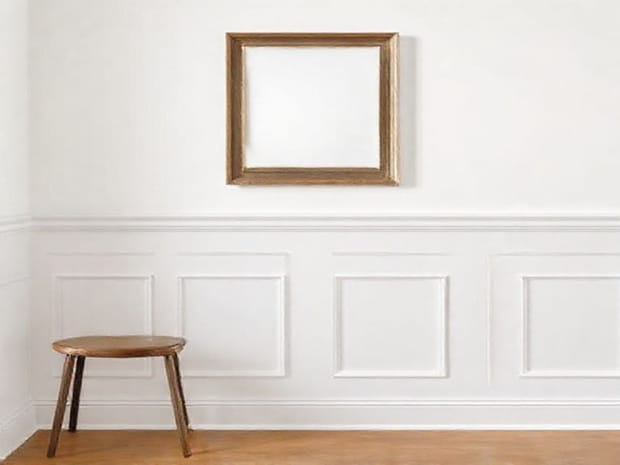
Chair Rail Vs Wainscoting
When it comes to interior design, details often make the biggest difference. Many homeowners debate between installing chair rail or wainscoting to add character and protection to their walls. Both options can elevate the look of a room, but they serve slightly different purposes and create unique aesthetics. Understanding the differences between chair rail vs wainscoting, as well as the benefits of each, can help you choose the right style for your space. Whether you want a traditional appearance, a modern update, or simply more durability, these wall treatments can transform an ordinary room into something elegant and timeless.
What is a Chair Rail?
A chair rail is a horizontal molding that typically runs around the perimeter of a room at about 32 to 36 inches from the floor. Historically, it was installed to protect plaster walls from being damaged by the backs of chairs. Over time, chair rails became more decorative than functional, serving as a design element that adds visual interest and breaks up wall space.
Chair rails can be simple or ornate, depending on the design goals. They may be paired with different paint colors above and below the rail, or used to divide wallpaper from solid paint. This flexibility makes them a popular choice for dining rooms, living rooms, and hallways.
What is Wainscoting?
Wainscoting refers to decorative wood paneling that covers the lower portion of a wall, usually up to chair rail height or higher. It originated as a way to insulate and protect walls, especially in older homes. Today, wainscoting is used more for style, bringing architectural detail and texture into a space.
There are several types of wainscoting, including raised panel, flat panel, beadboard, and board-and-batten. Each has a distinct look, allowing homeowners to choose between traditional, cottage, or modern designs. Wainscoting is commonly found in entryways, staircases, dining rooms, and bathrooms, but it can work in nearly any room depending on the effect you want to achieve.
Chair Rail vs Wainscoting Key Differences
Although they are sometimes used together, chair rail and wainscoting are not the same. Here are the main distinctions
- FunctionChair rail mainly serves as a decorative divider, while wainscoting provides both decoration and wall protection.
- CoverageChair rail is a narrow molding, whereas wainscoting covers a larger portion of the wall.
- InstallationChair rail is relatively quick and easy to install, while wainscoting requires more materials and labor.
- CostChair rail is generally more affordable, while wainscoting can be a bigger investment due to panels and trim.
- Style ImpactChair rail creates subtle separation, while wainscoting makes a bold architectural statement.
Design Considerations
Using Chair Rail Effectively
When installing a chair rail, placement is critical. If it is too high or too low, the proportions of the room can feel unbalanced. A common rule of thumb is to place the rail at one-third of the wall height. For example, in an 8-foot room, the rail should be around 32 inches from the floor. Chair rails also work best when paired with contrasting paint colors or wallpaper, which highlights the dividing line and adds dimension to the walls.
Incorporating Wainscoting
Wainscoting offers more flexibility in terms of design. You can choose full panels for a traditional look, beadboard for a cottage vibe, or sleek flat panels for a contemporary feel. Height also matters traditional wainscoting often stops at chair rail height, but modern designs sometimes extend two-thirds up the wall or even all the way to the ceiling. This makes wainscoting versatile for both formal and casual interiors.
Pros and Cons of Chair Rail
Like any design choice, chair rail has its advantages and limitations
- ProsAffordable, easy to install, adds subtle elegance, visually divides wall space, versatile with different paint combinations.
- ConsProvides limited protection, may look out of place if improperly installed, less dramatic than wainscoting.
Pros and Cons of Wainscoting
Wainscoting offers more visual impact, but it also comes with considerations
- ProsProtects walls from scuffs and scratches, adds architectural character, customizable with various styles and heights, increases home value.
- ConsHigher cost, more complex installation, requires maintenance to keep panels looking fresh.
When to Choose Chair Rail
Chair rail is ideal when you want to add elegance without a large renovation. It works well in dining rooms where wall protection is less critical but design impact is desired. If your goal is to break up a large wall with a decorative element, chair rail is a cost-effective solution. It is also a great choice for homeowners who prefer a minimalist approach but still want some traditional detailing.
When to Choose Wainscoting
Wainscoting is the better option when durability and strong visual design are priorities. It is especially useful in high-traffic areas such as hallways, staircases, and entryways where walls are more likely to be damaged. In formal spaces like dining rooms or living rooms, wainscoting provides an elegant, timeless look. It is also a popular choice for bathrooms, where beadboard wainscoting adds charm and moisture resistance when properly sealed.
Combining Chair Rail and Wainscoting
Many homeowners choose not between chair rail vs wainscoting, but both. In this combination, the chair rail acts as the top molding for wainscoting panels. This creates a finished edge and enhances the overall design. The pairing works beautifully in traditional homes, creating a layered architectural style that feels refined and balanced.
Cost Comparison
Cost plays an important role in the decision. Chair rail installation typically costs less since it only requires molding. Wainscoting, however, involves paneling, trim, and sometimes custom carpentry. While chair rail may cost only a few dollars per linear foot, wainscoting can range much higher depending on the materials and style. That said, wainscoting may add more long-term value to a home by increasing visual appeal and durability.
Maintenance and Longevity
Both chair rail and wainscoting are long-lasting with proper care. Chair rails require minimal upkeep beyond occasional repainting. Wainscoting, being more extensive, may need repainting or refinishing over the years, especially in high-use areas. However, the added wall protection often reduces the need for frequent repairs, balancing out the extra effort.
Style and Resale Value
Adding architectural details like chair rail or wainscoting can boost resale value by making interiors feel more finished. Buyers often view these details as signs of quality craftsmanship. While chair rail adds subtle elegance, wainscoting tends to make a stronger impression, especially in formal rooms. Both options are timeless, meaning they are unlikely to go out of style quickly.
Deciding between chair rail vs wainscoting depends on your design goals, budget, and the function of the space. Chair rail offers an affordable, subtle touch that enhances walls without major renovation. Wainscoting, on the other hand, delivers durability and a bold architectural statement. Some homeowners choose both for a classic look that blends protection with style. Whichever option you select, these wall treatments can transform a simple room into a polished and elegant interior that reflects your personal taste.