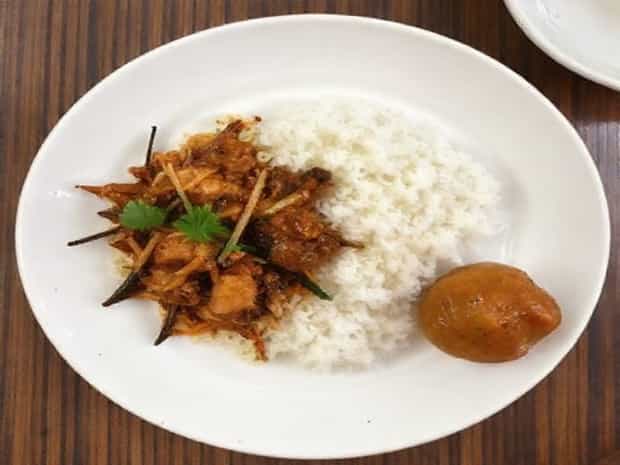
Ceylonese Sri Lankan Cuisines Photos
Ceylonese Sri Lankan cuisine is a vibrant reflection of the island’s rich culture, history, and biodiversity. Known for its bold flavors, aromatic spices, and colorful presentations, the cuisine combines influences from South India, colonial Portuguese, Dutch, and British culinary traditions, while maintaining unique local characteristics. From street food to festive meals, Sri Lankan dishes are visually appealing and incredibly flavorful, making them a favorite among food enthusiasts. Exploring Ceylonese Sri Lankan cuisine through photos allows one to appreciate not only the taste but also the artistry and care put into preparing each dish, from carefully arranged curries to intricate desserts.
Staple Ingredients in Ceylonese Cuisine
The foundation of Ceylonese Sri Lankan cuisine lies in its ingredients, which contribute both to flavor and appearance. Rice and coconut form the backbone of most meals, accompanied by a wide variety of vegetables, lentils, and fresh seafood. Spices such as cinnamon, cardamom, cloves, turmeric, and curry leaves give Sri Lankan dishes their distinctive aroma and color. Chilies and pepper add heat, while lime, tamarind, and pandan leaves contribute tangy and fragrant notes. Photos of traditional meals often showcase the vibrant colors and textures that make the cuisine visually appealing, from golden curry sauces to bright green sambols and leafy vegetable preparations.
Popular Ceylonese Dishes
Some of the most well-known Ceylonese Sri Lankan dishes include
- Rice and CurryA staple meal featuring steamed rice surrounded by multiple curries, each with different colors and ingredients, often including fish, chicken, or vegetables.
- Kottu RotiA popular street food made by chopping roti with vegetables, eggs, and meat, served sizzling hot and often garnished with fresh herbs.
- Hoppers (Appa)Bowl-shaped pancakes made from fermented rice flour, served plain or with egg in the center, often paired with spicy sambols and chutneys.
- Pol SambolA coconut-based condiment made with shredded coconut, red chilies, lime juice, and onions, adding vibrant color and intense flavor to meals.
- String Hoppers (Idiyappam)Steamed rice noodle nests, usually served with curry or coconut milk, presenting a delicate, intricate appearance in photos.
- Fish Ambul ThiyalA tangy, spiced fish curry with a deep brown color, often served as part of a rice and curry spread.
Visual Appeal and Presentation
The visual aspect of Ceylonese Sri Lankan cuisine is as important as the taste. Meals are often arranged in an aesthetically pleasing manner, with curries, sambols, pickles, and chutneys placed around a central mound of rice. Bright colors such as the deep red of chili-based curries, the green of fresh herbs, and the golden hues of coconut and turmeric create a visually stunning plate. Photos of Sri Lankan food frequently capture the balance between texture, color, and composition, highlighting the intricate details of each dish.
Street Food Photography
Sri Lankan street food is particularly photogenic. Dishes like kottu roti, egg hoppers, and savory pastries are often prepared in bustling markets, providing dynamic and lively photo opportunities. The sizzle of the griddle, the vibrant colors of chopped vegetables, and the rhythmic chopping of roti all contribute to compelling visual storytelling. Capturing these moments in photos helps convey not only the food itself but also the cultural context and energy of Sri Lankan culinary life.
Traditional Festive Foods
During festivals and celebrations, Ceylonese Sri Lankan cuisine becomes even more elaborate and visually striking. Traditional foods such as kiribath (milk rice) are often molded into shapes and served with sweet or savory accompaniments. Desserts like wattalapam, a rich coconut custard flavored with jaggery and spices, showcase intricate textures and golden brown tops that look appealing in photos. These festive foods are often prepared with meticulous care, and photography captures the artistry involved in their presentation.
Seafood and Coastal Dishes
Given Sri Lanka’s location as an island nation, seafood plays a central role in Ceylonese cuisine. Curries made with fresh fish, prawns, or crab are vibrant in both flavor and appearance. Fish ambul thiyal, prawn curry, and spicy crab dishes are often photographed for their rich colors and textures. Bright red or orange sauces, garnished with green curry leaves and freshly chopped chilies, create dishes that are visually captivating as well as appetizing.
Health and Nutrition
Ceylonese Sri Lankan cuisine is not only flavorful but also nutritionally rich. Meals often include a balance of carbohydrates, proteins, and fats, along with an abundance of vegetables and spices that provide antioxidants and essential vitamins. Coconut, used extensively in various forms, provides healthy fats, while rice and lentils supply energy and protein. Photos of balanced Sri Lankan plates often highlight this nutritional diversity, with multiple colors and textures indicating a variety of ingredients and nutrients.
Capturing Sri Lankan Cuisine in Photos
Food photography of Ceylonese Sri Lankan dishes emphasizes vibrant colors, texture contrasts, and cultural context. Wide-angle shots of traditional meals showcase the spread of rice, curries, and condiments, while close-ups reveal the fine details of spices, garnishes, and preparation methods. Lighting, background settings, and props like traditional Sri Lankan tableware enhance the visual storytelling. Through photography, the richness of Sri Lankan food culture is made accessible to a global audience, inspiring curiosity and appetite.
Ceylonese Sri Lankan cuisine is a feast for both the palate and the eyes. Its combination of bold spices, fresh ingredients, and thoughtful presentation creates meals that are as visually appealing as they are delicious. Through photos, the diversity and artistry of Sri Lankan dishes can be fully appreciated, from street food favorites to festive specialties. Whether capturing the vibrant colors of curries, the delicate shapes of hoppers, or the intricate textures of seafood dishes, photography allows a deeper understanding and appreciation of this rich culinary tradition. Exploring Ceylonese Sri Lankan cuisines through images not only highlights the food itself but also offers a window into the culture, creativity, and heritage of Sri Lanka.