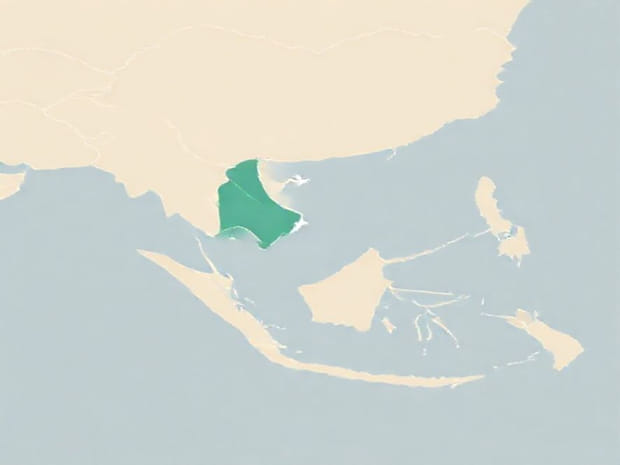
Central Asian Flyway Countries
The Central Asian Flyway is one of the world’s most important migratory bird routes, spanning an extensive region from the Arctic tundra to the Indian subcontinent. This flyway covers a variety of landscapes, including deserts, wetlands, mountains, and grasslands, providing critical stopover sites and breeding grounds for numerous migratory species. The countries within this flyway play a vital role in the conservation of migratory birds, many of which are threatened by habitat loss, climate change, and human activities. Understanding the geography, ecology, and collaborative conservation efforts of the Central Asian Flyway countries is essential for protecting these migratory pathways and ensuring the survival of countless bird species.
Geography of the Central Asian Flyway
The Central Asian Flyway stretches across 30 countries, encompassing parts of Central, South, and Southeast Asia. It begins in the northern regions of Russia and Kazakhstan, extends through Mongolia, Uzbekistan, Turkmenistan, and Afghanistan, and continues southward to countries including India, Nepal, Bangladesh, Bhutan, Pakistan, and Sri Lanka. The flyway covers diverse ecosystems such as the Siberian tundra, the arid deserts of Central Asia, the wetlands of Iran and Pakistan, and the tropical wetlands of India and Bangladesh. This variety of habitats is crucial for supporting migratory birds during different stages of their life cycle, including breeding, feeding, and resting during migration.
Key Countries and Their Roles
Several countries along the Central Asian Flyway have been recognized for their critical habitats and strategic locations for migratory birds. These include
- RussiaNorthern Russia provides breeding grounds for many waterfowl and shorebirds. The wetlands in Siberia are particularly important for nesting populations.
- KazakhstanKazakhstan’s vast steppe and semi-arid regions offer stopover sites for migratory birds, especially cranes and geese.
- MongoliaMongolia hosts breeding grounds for species such as the bar-headed goose and the black-necked crane, relying on wetlands and grasslands.
- IndiaIndia represents a crucial wintering destination for birds migrating from northern Asia. Its wetlands, river deltas, and coastal areas provide shelter and feeding opportunities.
- BangladeshThe Sundarbans mangrove forest and other wetland regions support large populations of migratory waterbirds.
- PakistanPakistan’s Indus River floodplain serves as an essential feeding and resting site for species such as the Siberian crane and various ducks and waders.
- IranWetlands in Iran act as key stopover sites for migratory birds traveling between Central Asia and South Asia.
Species Diversity in the Flyway
The Central Asian Flyway supports an impressive diversity of bird species, including waterfowl, shorebirds, raptors, and passerines. Migratory species such as the bar-headed goose, common crane, lesser white-fronted goose, and various species of ducks and waders rely on the habitats along this flyway. Many of these birds undertake long-distance migrations, traveling thousands of kilometers from breeding grounds in Siberia and Central Asia to wintering grounds in South Asia. The survival of these species depends on the availability of suitable habitats along the entire flyway.
Threats to the Flyway
Migratory birds face numerous threats along the Central Asian Flyway. Habitat loss due to agriculture, urbanization, and infrastructure development is a major concern. Wetlands are being drained, river systems are being altered, and grasslands are being converted to farmland. Climate change also poses significant challenges by altering rainfall patterns and water availability, affecting food resources and breeding success. Additionally, hunting and poaching of migratory birds in some regions have led to declines in population numbers. Pollution, particularly from industrial and agricultural sources, further threatens the delicate ecosystems along the flyway.
Conservation Efforts
Recognizing the importance of the Central Asian Flyway, multiple countries and international organizations have initiated conservation measures. Collaborative frameworks, such as the Central Asian Flyway Action Plan, aim to enhance habitat protection, monitor migratory populations, and promote sustainable practices. Key initiatives include
- Establishing and maintaining protected areas, particularly wetlands and stopover sites.
- Monitoring and research programs to track migratory patterns and population trends.
- Community engagement and awareness campaigns to reduce hunting and habitat destruction.
- International cooperation through agreements such as the Convention on Migratory Species (CMS) and Ramsar Convention on Wetlands.
- Restoration of degraded habitats to ensure continued availability of feeding and nesting sites.
Role of Technology in Conservation
Technology has become a valuable tool in monitoring and conserving migratory birds along the Central Asian Flyway. Satellite tracking and GPS tagging allow scientists to study migration routes, timing, and habitat use. Remote sensing and geographic information systems (GIS) help in mapping critical habitats and assessing changes over time. Data collected through these technologies supports evidence-based conservation strategies and facilitates coordination between flyway countries.
Importance of International Collaboration
Effective conservation of migratory birds requires cooperation among all countries within the Central Asian Flyway. Birds do not recognize national boundaries, and threats in one country can affect populations across the entire flyway. International collaboration ensures coordinated efforts in habitat protection, research, policy-making, and capacity building. Regional partnerships and shared action plans help countries pool resources, share expertise, and implement effective conservation measures across borders.
Community Involvement
Local communities play a vital role in protecting migratory birds. Sustainable livelihoods, eco-tourism, and community-managed reserves can incentivize conservation while providing economic benefits. Education programs raise awareness about the ecological importance of migratory birds and wetlands, encouraging local stewardship. By engaging communities, conservation programs gain long-term support and reduce activities such as hunting and habitat degradation that threaten bird populations.
Future Prospects for the Flyway
The Central Asian Flyway faces both challenges and opportunities in the 21st century. Ongoing habitat loss, climate change, and human pressures continue to pose risks, but coordinated conservation efforts and technological advancements offer hope. Expanding protected areas, implementing sustainable land use practices, and fostering international collaboration are critical for maintaining the ecological integrity of the flyway. By prioritizing conservation, the countries along the Central Asian Flyway can ensure the survival of migratory birds for future generations while supporting biodiversity and ecosystem health.
The Central Asian Flyway is an essential migratory route that connects countries across Central, South, and Southeast Asia. It supports a wide array of migratory bird species, providing critical breeding, feeding, and stopover habitats. The countries along this flyway, including Russia, Kazakhstan, Mongolia, India, Bangladesh, Pakistan, and Iran, play key roles in the conservation of these species. Collaborative conservation efforts, community involvement, and technological innovations are vital to address the challenges posed by habitat loss, climate change, and human activities. Protecting the Central Asian Flyway ensures the survival of countless migratory birds, contributes to biodiversity, and strengthens regional cooperation for environmental sustainability.