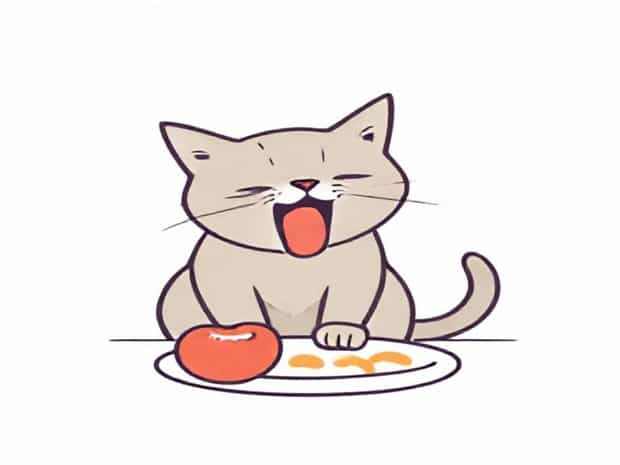
Cat Gagging At Food
Watching a cat gag while eating can be a worrying and unsettling experience for any pet owner. This behavior may appear suddenly or gradually and can happen with both dry kibble and wet food. Understanding why your cat is gagging at food is essential for addressing potential health concerns, preventing further distress, and ensuring your feline companion maintains proper nutrition. While occasional gagging may not indicate a serious problem, persistent episodes should be carefully observed, and if necessary, evaluated by a veterinarian to rule out underlying medical conditions or feeding issues.
Common Reasons Cats Gag at Food
Cats may gag at food for a variety of reasons ranging from minor eating habits to significant health issues. Identifying the cause is the first step toward ensuring your cat remains healthy and comfortable during mealtime.
Eating Too Quickly
One of the most frequent causes of gagging is eating too rapidly. Cats that are particularly hungry or highly motivated by food can gulp their meals without chewing properly. This can lead to choking, gagging, or vomiting shortly after eating. To help slow down their eating, owners can use specialized slow-feeder bowls or divide meals into smaller, more frequent portions.
Hairballs and Grooming
Cats groom themselves regularly, ingesting loose hair that can accumulate in the stomach. Sometimes, when the hairball moves through the digestive tract or irritates the throat, the cat may gag or retch. Providing hairball remedies, regular grooming, and specialized cat food designed to reduce hairball formation can help minimize this problem.
Foreign Objects or Obstructions
Gagging can also indicate that a cat has something lodged in its throat, such as a piece of kibble that is too large, a string, or a small toy. Foreign objects can be dangerous and may require immediate veterinary attention. Symptoms accompanying gagging due to obstruction can include pawing at the mouth, drooling, coughing, or distress.
Dental Problems
Oral health issues, including inflamed gums, broken teeth, or oral infections, may cause cats to gag while eating. Pain or discomfort in the mouth can prevent proper chewing and swallowing, leading to gagging. Regular dental check-ups, brushing when possible, and providing dental treats or toys can help prevent these issues.
Medical Conditions That Cause Gagging
In some cases, gagging at food may be a symptom of an underlying medical condition that requires professional evaluation.
Respiratory Issues
Conditions such as asthma, upper respiratory infections, or chronic bronchitis can irritate the throat and airways, causing gagging or coughing during eating. If your cat shows signs of labored breathing, wheezing, or nasal discharge along with gagging, it is crucial to consult a veterinarian promptly.
Gastrointestinal Problems
Gastrointestinal disorders like gastritis, inflammatory bowel disease, or esophageal inflammation can also result in gagging. Cats may retch, vomit, or gag due to discomfort in the stomach or esophagus. A veterinarian may recommend diagnostic tests such as X-rays, ultrasounds, or blood work to identify these issues.
Allergies or Food Sensitivities
Some cats may gag at specific types of food due to allergies or sensitivities. This can include reactions to certain proteins, additives, or preservatives in commercial cat foods. Observing patterns and switching to hypoallergenic or limited-ingredient diets may alleviate gagging caused by food sensitivities.
Behavioral and Environmental Factors
Behavioral factors can also contribute to a cat gagging at food. Understanding these influences can help owners address the issue effectively.
Stress and Anxiety
Stressful environments, loud noises, or competition with other pets can cause cats to eat nervously, leading to gagging. Providing a quiet, safe feeding area, free from interruptions or conflicts, can reduce stress-related gagging.
Feeding Practices
How and when you feed your cat can impact their eating habits. Cats fed from elevated bowls or given large, infrequent meals may develop gagging tendencies. Splitting meals into smaller portions throughout the day and using appropriate feeding dishes can help prevent this issue.
Signs That Require Veterinary Attention
While occasional gagging might be harmless, persistent or severe gagging should not be ignored. Owners should watch for additional signs that may indicate serious health concerns.
- Frequent gagging or retching without consuming food
- Excessive drooling or pawing at the mouth
- Difficulty breathing or wheezing
- Persistent vomiting or refusal to eat
- Weight loss or lethargy
If any of these symptoms are present, a veterinarian can perform a thorough examination and recommend treatment, which may include medications, dietary changes, or procedures to remove obstructions or address underlying conditions.
Preventive Measures and Tips
Preventing gagging at food involves a combination of proper feeding techniques, regular health care, and attentive observation. By implementing a few key strategies, owners can reduce the likelihood of gagging and ensure their cat remains healthy and comfortable.
Slow Feeding and Portion Control
Using slow-feeder bowls, puzzle feeders, or dividing meals into smaller portions can help cats eat more slowly and reduce gagging. Monitoring meal times and ensuring the cat chews food thoroughly is important for safe digestion.
Regular Grooming
Brushing your cat regularly reduces the amount of hair they ingest, lowering the risk of gagging due to hairballs. Long-haired breeds especially benefit from daily grooming routines.
Dental Care
Maintaining proper dental hygiene prevents oral pain that could cause gagging. Regular veterinary dental check-ups and at-home care, such as brushing or dental treats, help maintain oral health.
Observation and Record-Keeping
Keeping track of when gagging occurs, the type of food involved, and any other symptoms can provide valuable information for veterinarians. Detailed records help identify patterns and pinpoint potential causes.
Cat gagging at food can stem from a variety of causes, ranging from minor eating habits to serious health conditions. By observing your cat’s behavior, understanding potential triggers, and providing appropriate feeding strategies, you can help reduce the incidence of gagging and improve your cat’s overall well-being. Prompt veterinary evaluation is crucial if gagging is persistent, severe, or accompanied by other concerning symptoms. With attentive care, proper diet, and preventive measures, most cats can enjoy their meals comfortably and safely, allowing pet owners to maintain peace of mind while ensuring their feline companions stay healthy and happy.
Ultimately, addressing the causes of gagging at food not only improves a cat’s eating experience but also strengthens the bond between owner and pet. Through careful observation, thoughtful feeding practices, and proactive veterinary care, owners can ensure that their cats thrive both nutritionally and emotionally, creating a safe and nurturing environment where gagging becomes a rare occurrence rather than a frequent worry.