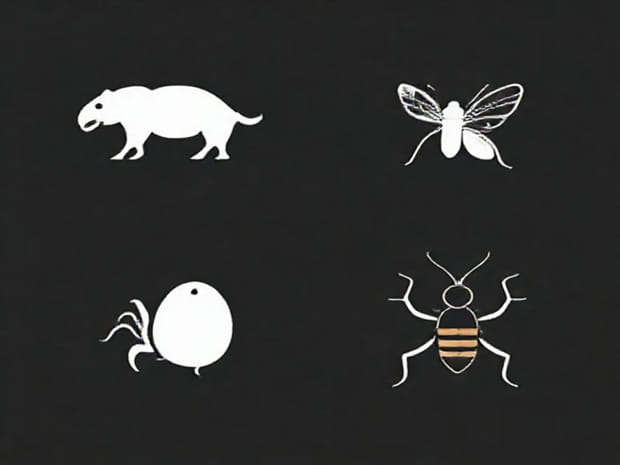
Carnivore Herbivore Omnivore Frugivore Insectivore
When we look at the natural world, one of the most fascinating aspects is the way different animals adapt their diets to survive. From large predators that depend on hunting other creatures, to gentle grazers that feed on plants, and even specialized feeders that prefer fruits or insects, each category plays an important role in ecosystems. Understanding carnivores, herbivores, omnivores, frugivores, and insectivores helps us appreciate biodiversity and how food chains are interconnected. These classifications are not just labels; they reflect evolutionary strategies, anatomical adaptations, and ecological balance.
Carnivores and Their Role in Nature
Carnivores are animals that primarily consume meat. They rely on other animals as their food source, either through hunting or scavenging. Carnivores can be classified into two types obligate carnivores, which need animal flesh to survive, and facultative carnivores, which may eat plants occasionally but still rely on meat.
Characteristics of Carnivores
- Sharp teeth and claws for catching and tearing prey.
- Highly developed senses such as vision, smell, and hearing.
- Digestive systems adapted to process proteins and fats efficiently.
Examples of carnivores include lions, tigers, wolves, and eagles. Each of these predators helps regulate prey populations and maintain ecological balance.
Herbivores and Plant-Based Diets
Herbivores are animals that feed primarily on plants. Their survival depends on grass, leaves, fruits, seeds, or bark. Unlike carnivores, herbivores need special digestive systems to process cellulose, a tough fiber found in plants.
Adaptations of Herbivores
- Flat teeth for grinding leaves and stems.
- Long digestive tracts for breaking down plant material.
- Symbiotic bacteria in their stomachs to help digest cellulose.
Examples of herbivores include elephants, giraffes, cows, and rabbits. These animals are crucial in transferring energy from plants to higher levels in the food chain.
Omnivores The Flexible Feeders
Omnivores are animals that eat both plants and animals. Their dietary flexibility allows them to survive in diverse habitats, making them highly adaptable species. Humans are the most well-known omnivores, but many other animals also share this trait.
Examples of Omnivores
- Bears, which can eat berries, fish, and small mammals.
- Pigs, known for consuming a wide variety of food items.
- Raccoons, which scavenge plants, insects, and animal remains.
Omnivores play an important role in stabilizing ecosystems because they can switch between food sources depending on availability, reducing competition and increasing survival chances.
Frugivores Fruit-Loving Species
Frugivores are animals that primarily feed on fruits. Fruits provide sugars, vitamins, and other nutrients, making them an essential food source for many species. While frugivores benefit from eating fruits, plants also gain an advantage because animals help disperse their seeds.
Adaptations of Frugivores
- Strong sense of smell or color vision to detect ripe fruits.
- Beaks or teeth adapted for breaking fruit skins.
- Digestive systems that allow seeds to pass unharmed.
Examples include many birds such as toucans and parrots, primates like monkeys, and even bats that specialize in fruit consumption. Frugivores are vital for forest regeneration and biodiversity conservation.
Insectivores and Their Special Diet
Insectivores are animals that mainly consume insects. This category is diverse and includes mammals, birds, reptiles, and amphibians. Insects are rich in protein and relatively easy to find in most environments, making them an efficient food source.
Examples of Insectivores
- Anteaters, which use long tongues to capture ants and termites.
- Frogs, which rely on quick reflexes to catch flies and beetles.
- Birds like swallows and woodpeckers that specialize in insect diets.
Insectivores help control insect populations, reducing pests and maintaining ecological balance. Without them, many insect species would grow unchecked, affecting crops and other plant life.
Comparison of Feeding Categories
While carnivores, herbivores, omnivores, frugivores, and insectivores may seem very different, they are all interconnected in food webs. Each plays a role in energy transfer, population control, and ecosystem stability.
Key Differences
- CarnivoresRely mainly on meat, control prey populations.
- HerbivoresDepend on plants, convert solar energy into accessible food for higher levels.
- OmnivoresFlexible diet, can survive in varied environments.
- FrugivoresSpecialize in fruits, aid in seed dispersal and plant reproduction.
- InsectivoresFocus on insects, regulate insect populations.
These differences highlight how dietary choices shape animal behavior, anatomy, and ecological roles. By studying these categories, we can better understand evolution and environmental balance.
The Ecological Importance of Dietary Diversity
The variety of feeding strategies ensures ecosystems remain resilient. For example, if a drought reduces plant availability, omnivores can switch to animal-based diets, while frugivores may migrate to areas with more fruit. This diversity prevents ecosystems from collapsing when one food source becomes scarce.
Additionally, these categories demonstrate the flow of energy. Herbivores serve as primary consumers, carnivores and insectivores act as secondary consumers, and omnivores often shift between both levels. Frugivores contribute by dispersing seeds, ensuring the renewal of vegetation that sustains other species.
Understanding carnivores, herbivores, omnivores, frugivores, and insectivores provides insight into how life on Earth is sustained through complex feeding relationships. Each group has evolved unique traits that suit their diets and environments. Together, they maintain balance in food chains, regulate populations, and support biodiversity. By appreciating these roles, we gain a deeper respect for the natural world and recognize the importance of protecting ecosystems for future generations.