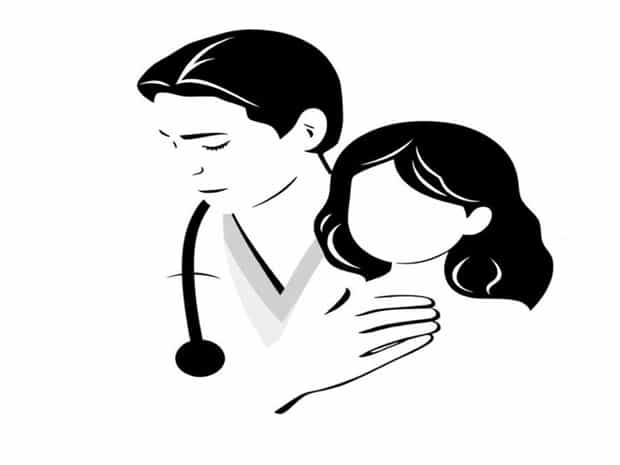
Caregiver Archetype Examples In Movies
The caregiver archetype is one of the most recognizable character types in storytelling, especially in movies where compassion, sacrifice, and protection are at the heart of the plot. Caregivers often appear as nurturing figures who dedicate themselves to the well-being of others, sometimes at their own expense. They embody love, empathy, and service, providing emotional support and physical aid. By studying caregiver archetype examples in movies, audiences can see how this timeless character plays an essential role in shaping narratives, inspiring emotional connection, and driving themes of healing and resilience.
Understanding the Caregiver Archetype
The caregiver archetype is defined by traits such as empathy, generosity, and selflessness. These characters put the needs of others before their own and are motivated by love, duty, or compassion. In cinema, caregivers may appear as parents, mentors, doctors, friends, or even strangers who step in to help. Their presence often highlights themes of protection, healing, and sacrifice. The best caregiver archetype examples in movies demonstrate how these roles add depth and emotional resonance to the story.
Why Caregiver Archetypes Resonate in Movies
Caregiver characters resonate because they reflect universal human needs. Everyone seeks comfort, safety, and care at some point, and these characters fulfill that role in fiction. By watching caregivers on screen, audiences experience a sense of reassurance and connection. Caregiver archetype examples in movies remind us of the importance of compassion in a world that often emphasizes independence and competition. They balance strength with gentleness, showing that caring is not weakness but a powerful force for change.
Classic Caregiver Archetype Examples in Movies
Some caregiver characters have become iconic because of their memorable portrayals. These examples highlight how diverse the archetype can be
- Marmee March in Little Women– As the mother of the March sisters, Marmee embodies patience, wisdom, and unconditional love. She guides her daughters through hardships with strength and nurturing care.
- Mrs. Doubtfire in Mrs. Doubtfire– Though unconventional, Daniel’s transformation into Mrs. Doubtfire is driven by his desire to care for his children, blending humor with heartfelt devotion.
- Mufasa in The Lion King– Mufasa represents the protective side of the caregiver archetype, offering guidance and love to Simba while also teaching responsibility and courage.
- Leigh Anne Tuohy in The Blind Side– Leigh Anne demonstrates the caregiver archetype through her decision to take Michael Oher into her family, showing compassion that transforms his future.
These classic examples reveal how caregiver roles can take many forms, from parental figures to unlikely guardians, each with their unique way of nurturing and supporting others.
Caregiver Archetypes in Animated Films
Animated films often feature strong caregiver archetypes to connect with younger audiences. Examples include
- Marlin in Finding Nemo– Marlin’s entire journey revolves around his deep love for his son Nemo. His protective nature and relentless determination make him a quintessential caregiver.
- Baymax in Big Hero 6– As a healthcare robot, Baymax is programmed to care for Hiro’s physical and emotional needs, representing caregiving through technology and compassion.
- Grandmother Willow in Pocahontas– As a wise, nurturing figure, she provides guidance and comfort, symbolizing the spiritual side of the caregiver archetype.
Animated caregiver examples show how the archetype appeals to all ages, reinforcing values of love, guidance, and protection.
Caregiver Archetype in Dramatic Films
In dramatic storytelling, caregiver archetypes often appear in emotionally intense situations. Some notable examples include
- John Coffey in The Green Mile– Despite his circumstances, Coffey’s healing powers and gentle spirit reflect the selfless nature of a caregiver archetype.
- Paul Edgecomb in The Green Mile– As a prison guard, Paul shows compassion toward Coffey, highlighting how caregiving can appear even in unexpected places.
- Oskar Schindler in Schindler’s List– Though flawed, Schindler’s actions to protect and save others embody the caregiver’s role of sacrifice and compassion.
These portrayals emphasize the transformative power of caregivers in dark or difficult circumstances, showing how their empathy brings light to otherwise grim situations.
Caregiver Archetypes in Action and Adventure Films
Even in action-packed movies, caregiver characters add emotional depth. Examples include
- Alfred Pennyworth in Batman films– Alfred is more than a butler; he is a mentor and father figure who supports Bruce Wayne through his struggles.
- Hawkeye in Avengers Endgame– His role as a devoted father emphasizes his caregiver side, especially in his motivation to protect his family.
- Sarah Connor in Terminator 2 Judgment Day– Though tough and battle-ready, her primary role is protecting and preparing her son, blending caregiver instincts with warrior strength.
These characters reveal how the caregiver archetype can coexist with action, responsibility, and bravery, making heroes more relatable and human.
Key Traits of Caregiver Characters in Movies
Although caregiver roles vary across genres, certain traits remain consistent
- Selflessness and willingness to sacrifice personal desires.
- Protective instincts, often putting others’ safety first.
- Emotional strength that provides comfort in crises.
- Guidance and wisdom that help characters grow.
- A nurturing presence that fosters healing and trust.
These shared characteristics help audiences quickly identify caregiver archetypes across different films and contexts.
The Impact of Caregiver Archetypes on Audiences
Caregiver archetype examples in movies leave a lasting impression because they reflect values of compassion, resilience, and unconditional support. They inspire audiences to appreciate the caregivers in their own lives, whether parents, mentors, or friends. These characters also challenge cultural narratives that sometimes undervalue care, proving that emotional strength and nurturing are as essential as physical power.
The caregiver archetype remains one of the most powerful storytelling tools in cinema. From parental figures like Marmee March and Marlin to mentors like Alfred Pennyworth and Baymax, caregivers show that love and compassion are transformative forces. By analyzing caregiver archetype examples in movies, audiences gain a deeper appreciation for the role of empathy and sacrifice in shaping human connections. Whether in drama, comedy, or animation, caregiver characters remind us that the simple act of caring is often the most heroic of all.