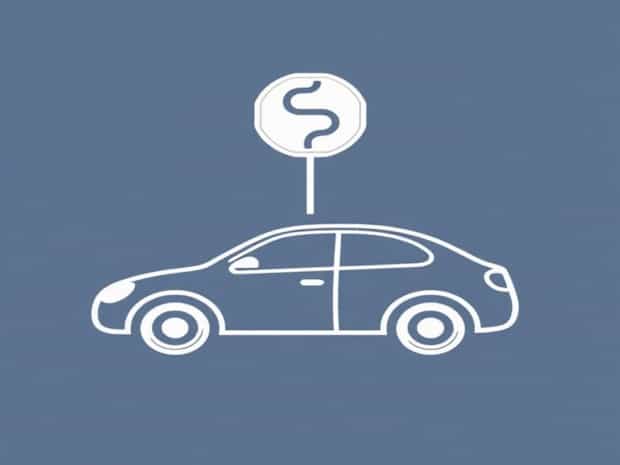
Car With Squiggly Lines Road Sign
Encountering a car with squiggly lines road sign on your drive can be both confusing and informative, depending on your familiarity with traffic symbols. This distinctive sign, often triangular or diamond-shaped with a winding line illustration, serves an important safety purpose. It alerts drivers to upcoming road conditions that require careful navigation and reduced speeds. Understanding what this sign represents, why it is used, and how to respond to it is essential for all drivers to ensure safety and avoid accidents on curvy or slippery roads.
Understanding the Squiggly Lines Road Sign
The car with squiggly lines road sign, often referred to as the slippery when wet or winding road sign, is designed to convey a specific warning about the condition of the road ahead. While the design may vary slightly depending on the country or region, the purpose remains consistent to alert drivers to potential hazards that may affect vehicle control. The squiggly lines symbolize the path a vehicle might take if proper caution is not observed, emphasizing the need for careful driving techniques.
Purpose of the Sign
The primary purpose of the squiggly lines road sign is to enhance driver awareness. It warns that the road ahead may have unexpected curves, sharp turns, or slippery surfaces, especially in adverse weather conditions such as rain, snow, or ice. By alerting drivers in advance, the sign helps prevent accidents caused by over-speeding or failing to anticipate changes in the road’s alignment. Understanding the meaning of the sign allows drivers to adjust speed, increase following distance, and maintain better control of their vehicle.
Common Locations for the Sign
This type of road sign is commonly found in areas where road conditions pose increased risk. Typical locations include
- Mountainous or hilly regions with winding roads.
- Areas prone to ice, rain, or other slippery conditions.
- Sharp curves or hairpin bends that may be difficult to navigate at high speeds.
- Roads near rivers, lakes, or coastal areas where moisture can accumulate on the pavement.
By positioning the sign in these locations, traffic authorities aim to give drivers ample warning to adjust driving behavior and reduce the likelihood of accidents.
Interpreting the Symbol
The symbol of a car with squiggly lines is intended to represent a vehicle losing traction or swerving due to road conditions. The wavy lines typically illustrate the potential path of the car if proper caution is not exercised. This visual cue is meant to be instantly recognizable and intuitive, allowing drivers to quickly comprehend the warning without needing to read text. The sign communicates that the upcoming road segment requires careful steering, braking, and speed control.
Difference Between Slippery Road and Winding Road Signs
It is important to distinguish between two signs that may appear similar the slippery when wet sign and the winding road sign. While both feature squiggly lines, their meanings differ slightly
- Slippery When WetDepicts a car with wavy lines underneath, indicating that the road surface may become slippery when wet. Drivers should reduce speed and avoid sudden maneuvers.
- Winding RoadShows a curvy line along the sign, representing multiple curves or bends ahead. Drivers should be prepared to navigate turns safely.
Recognizing these differences ensures that drivers respond appropriately to each type of hazard.
Safety Measures for Drivers
When approaching a road marked with a squiggly lines sign, several precautions can help maintain control and prevent accidents. Understanding these safety measures is essential for all drivers, especially in adverse weather or unfamiliar terrain.
Reduce Speed
One of the most critical responses to a squiggly lines road sign is reducing speed. Driving too fast on winding or slippery roads can result in loss of control, skidding, or collisions. Slowing down gives drivers more time to react to curves, changes in traction, and other vehicles on the road.
Maintain Safe Following Distance
Maintaining a safe distance from the vehicle ahead is especially important when road conditions are hazardous. A larger following distance provides additional time to respond to sudden stops or swerves and reduces the risk of chain-reaction accidents.
Use Appropriate Braking Techniques
Sudden braking on slippery or winding roads can cause skidding. Drivers should use gentle, controlled braking and avoid abrupt movements. In vehicles equipped with anti-lock braking systems (ABS), applying steady pressure to the brake pedal allows the system to modulate braking effectively and maintain traction.
Steer Smoothly
Sharp or jerky steering can lead to loss of control, particularly on curvy roads or slippery surfaces. Smooth, gradual steering inputs help maintain vehicle stability and reduce the likelihood of sliding or spinning out. Anticipating curves and preparing for turns in advance improves overall safety.
Additional Considerations
While the squiggly lines road sign provides important warnings, drivers should also consider other factors that may influence safety. Awareness of environmental conditions, vehicle type, and personal driving skills all play a role in navigating hazardous roads.
Weather Conditions
Rain, snow, ice, and even fallen leaves can increase road slipperiness. Drivers should take extra caution when these conditions are present, as the sign’s warning becomes particularly relevant. Adjusting speed, using headlights, and ensuring tires are in good condition can improve safety.
Vehicle Maintenance
Proper vehicle maintenance is crucial when driving on roads with potential hazards. Tires with good tread, properly functioning brakes, and responsive steering systems enhance control on slippery or curvy roads. Ensuring that the vehicle is well-maintained complements the warning provided by the road sign.
Driver Experience
Less experienced drivers may find winding or slippery roads more challenging. Recognizing the presence of the squiggly lines sign and responding appropriately can help mitigate risks. Novice drivers should approach these areas with extra caution, possibly reducing speed more than experienced drivers would.
The car with squiggly lines road sign is a vital visual cue that warns drivers of potentially hazardous conditions such as slippery surfaces or winding roads. Understanding the meaning of the sign, the differences between similar signs, and appropriate driving techniques is essential for maintaining safety. By reducing speed, maintaining a safe following distance, steering smoothly, and adjusting for weather conditions, drivers can navigate these roads more confidently and minimize the risk of accidents. Awareness and proper response to this road sign not only protect individual drivers but also contribute to overall road safety, ensuring a smoother and safer driving experience for everyone sharing the road.