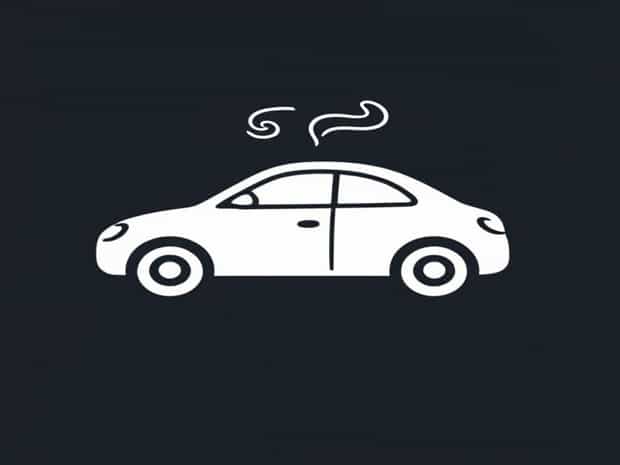
Car With Squiggly Lines Button
Many drivers notice a car with squiggly lines button on their dashboard and wonder what it actually does. This symbol is often overlooked until the road becomes slippery or a warning light flashes while driving. Understanding its function is important because it connects directly to vehicle stability and traction, two key factors that determine how safe and controlled a car feels in different conditions. Knowing when and how to use this feature can make driving both easier and safer.
What Does the Car with Squiggly Lines Button Mean?
The car with squiggly lines button usually represents traction control or electronic stability control (ESC). This system helps prevent wheel spin and loss of grip when the vehicle is on slippery roads, uneven surfaces, or during sudden acceleration. By pressing the button, drivers can toggle the system on or off depending on the situation.
How Traction Control Works
Traction control is designed to improve handling and safety. It works by monitoring the rotation of each wheel using sensors. If it detects that one wheel is spinning faster than the others, which indicates a loss of traction, the system responds in two ways
- Reducing engine powerIt can limit acceleration to reduce wheel spin.
- Applying brake forceIt can apply braking to the slipping wheel, allowing the other wheels to regain balance.
This process happens within fractions of a second, ensuring that the driver maintains control even in difficult driving situations.
Why the Squiggly Lines Symbol Flashes
Drivers may notice the car with squiggly lines symbol flashing on the dashboard while driving. This typically means the traction control system is actively working to keep the vehicle stable. For example, during rain or snow, the system may intervene more frequently as the tires struggle to grip the road. A steady light, however, could indicate that the system has been manually turned off or there is a fault that needs attention.
When to Use the Button
Most of the time, it is best to keep traction control or ESC turned on. However, there are specific situations when a driver might consider turning it off
- Deep snow or mudSometimes, the system may reduce engine power too much, preventing the car from moving forward. Turning it off temporarily can help gain momentum.
- Getting out of sandWhen stuck, wheel spin may actually help the tires dig out of loose surfaces.
- Performance drivingOn a closed track, experienced drivers may turn it off for more direct control of the vehicle.
Even in these situations, it is important to re-enable the system once normal driving resumes, as it plays a major role in safety.
Difference Between Traction Control and Stability Control
Although the squiggly lines button often relates to traction control, modern vehicles may also use it for stability control. While both systems aim to improve handling, they are not identical
- Traction controlFocuses on preventing wheel spin during acceleration.
- Stability controlWorks to prevent skidding or sliding sideways during turns by adjusting engine power and applying brakes to individual wheels.
In many cars, these two systems work together, and the same button controls them both.
Benefits of the Car with Squiggly Lines Button
Having this feature provides several advantages that directly improve driving safety and comfort
- Reduces the risk of losing control on slippery surfaces.
- Helps maintain straight-line acceleration without unnecessary wheel spin.
- Provides added confidence during harsh weather conditions.
- Assists less experienced drivers in handling sudden changes in traction.
These benefits are especially noticeable in areas with frequent rain, snow, or icy conditions.
Common Misconceptions
Some drivers misunderstand the purpose of the squiggly lines button. A few common myths include
- It makes the car faster.In reality, traction control may slightly limit acceleration in order to prevent wheel spin.
- It works like four-wheel drive.Traction control does not change how many wheels receive power; it only manages wheel spin.
- It’s only for beginners.Even experienced drivers benefit from stability assistance, especially in unpredictable conditions.
Maintenance and Troubleshooting
Like other electronic systems, traction control and stability control require proper maintenance. If the car with squiggly lines light stays on constantly, it may indicate a sensor problem, damaged wiring, or a malfunction in the system. In such cases, drivers should
- Check if the system was accidentally turned off.
- Inspect tire condition, since worn-out tires reduce grip and trigger the system more often.
- Schedule a diagnostic check at a service center if the warning persists.
Keeping the system in good working order ensures it functions correctly when needed most.
Real-World Driving Examples
Imagine driving up a wet hill where the tires start slipping. With traction control on, the car automatically adjusts to prevent losing grip, helping the driver continue safely. On the other hand, in a situation where the car is stuck in deep snow, turning the system off may allow enough wheel spin to break free. These examples highlight the flexibility the car with squiggly lines button provides depending on the situation.
The car with squiggly lines button is more than just another dashboard symbol it represents an advanced system designed to protect drivers and passengers. By preventing wheel spin and helping maintain stability, it plays a key role in modern automotive safety. While most drivers will rarely need to turn it off, knowing how it works and when it is useful provides peace of mind and improves confidence on the road. Whether navigating icy streets, rainy highways, or loose gravel, this small button has a big impact on driving performance and safety.