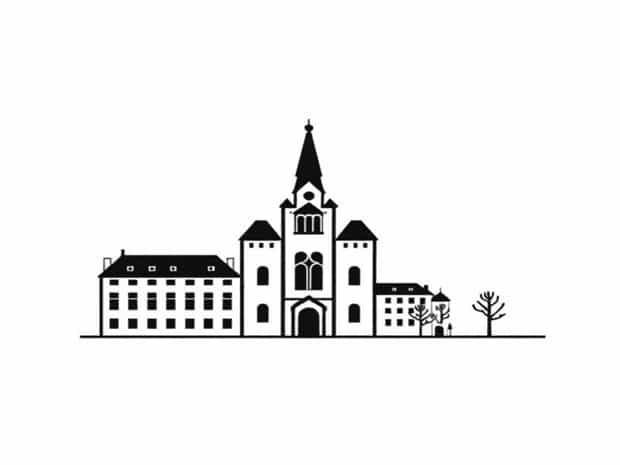
Capital Of The Walloon Province Of Luxembourg
The Walloon province of Luxembourg, located in the southern region of Belgium, is known for its picturesque landscapes, rich history, and cultural significance. As the largest province in Belgium by area, it features a mix of rolling hills, dense forests, and charming towns that reflect the region’s heritage. One of the most important aspects of the province is its capital, which serves as the administrative, economic, and cultural center, offering visitors and residents alike a unique blend of history, local life, and modern amenities. Understanding the significance of the capital provides insight into the province’s identity and the role it plays within the Walloon Region.
Introducing Arlon Capital of Luxembourg Province
Arlon, the capital of the Walloon province of Luxembourg, is a small yet historically rich city situated near Belgium’s border with Luxembourg and France. Despite its relatively modest population, Arlon holds a prominent position in the province due to its administrative responsibilities, economic activities, and cultural influence. The city combines historical architecture, modern infrastructure, and vibrant local culture, making it a focal point for both governance and tourism.
Historical Background
Arlon’s history dates back to Roman times, when it was known as Orolaunum and served as an important settlement in the region. Archaeological discoveries, such as Roman mosaics and artifacts, reflect its significance during antiquity. Over the centuries, Arlon experienced periods of growth and conflict, influenced by various European powers. Its historical center retains many medieval buildings, churches, and monuments that tell the story of the city’s evolution through time.
Geographical Significance
- Located in the southern part of Belgium, near the borders of Luxembourg and France
- Surrounded by rolling hills and lush forests, offering scenic views
- Acts as a transportation hub with access to major roads connecting neighboring regions
Arlon’s strategic location has historically facilitated trade and cultural exchange, contributing to its development as the provincial capital.
Administrative and Political Role
As the capital of Luxembourg province, Arlon hosts the provincial government offices and administrative institutions. It serves as the center for policy-making, regional planning, and public services. Residents of the province rely on Arlon for essential administrative functions, including civil registration, taxation, and social services. The city also plays a role in coordinating economic development initiatives and cultural programs throughout the province.
Provincial Institutions
- Luxembourg Provincial Council, responsible for local governance and decision-making
- Public service offices managing education, infrastructure, and health services
- Cultural institutions preserving and promoting local heritage
Through these institutions, Arlon serves as a hub for provincial governance, ensuring that local communities have access to resources and support.
Cultural and Historical Attractions
Arlon is not only an administrative center but also a cultural treasure. Visitors can explore a variety of historical sites, museums, and public spaces that highlight the region’s rich heritage. From Roman ruins to medieval architecture, the city offers an immersive experience for history enthusiasts and casual tourists alike.
Museums and Monuments
- Arlon Archaeological MuseumHouses Roman artifacts, mosaics, and exhibitions detailing the city’s ancient history
- Saint Donat’s ChurchA medieval church showcasing architectural beauty and historical significance
- City Hall and Public SquaresRepresent local governance and serve as venues for cultural events
The preservation of these sites contributes to a sense of identity and pride among the residents, while also attracting visitors from across Belgium and neighboring countries.
Festivals and Local Traditions
Arlon hosts various cultural events throughout the year, reflecting the traditions of the Walloon region. Festivals celebrating music, food, and local crafts create opportunities for community engagement and cultural exchange. These events not only entertain but also strengthen the social fabric of the city, highlighting its role as a cultural hub within Luxembourg province.
Economic Importance
Although relatively small compared to Belgium’s major cities, Arlon plays a crucial role in the province’s economy. It supports local businesses, provides employment opportunities, and facilitates trade with neighboring regions. Retail shops, restaurants, and service providers cater to both residents and tourists, contributing to the city’s economic vitality.
Commercial Activities
- Local markets offering regional produce and artisanal goods
- Small and medium-sized businesses supporting the community and surrounding towns
- Cross-border commerce with Luxembourg and France, enhancing trade opportunities
The economic activities in Arlon reflect its dual role as a provincial capital and a regional commercial center, supporting both administrative functions and daily life.
Education and Infrastructure
Arlon is home to educational institutions ranging from primary schools to vocational training centers, ensuring access to learning for the local population. The city’s infrastructure, including healthcare facilities, public transportation, and recreational areas, supports a high quality of life for residents. Modern development coexists with historical preservation, creating a balanced urban environment.
Transportation Networks
- Rail and road connections linking Arlon to Brussels, Luxembourg, and other major cities
- Local bus services facilitating intra-city travel
- Access to regional airports and highways enhancing mobility
Efficient transportation ensures that Arlon remains connected with other parts of Belgium and neighboring countries, reinforcing its role as a provincial hub.
Tourism and Visitor Experience
Visitors to Arlon can enjoy a mix of history, culture, and natural beauty. Walking through the city’s historic center, exploring museums, and experiencing local festivals provides a memorable experience. The surrounding landscapes offer opportunities for hiking, cycling, and nature appreciation, making Arlon an appealing destination for both domestic and international tourists.
Nearby Attractions
- Luxembourg Ardennes Rolling hills and scenic landscapes ideal for outdoor activities
- Historic villages in the province of Luxembourg, offering traditional architecture and local cuisine
- Cross-border excursions to Luxembourg City and northern France for extended travel
Tourism in Arlon contributes to the local economy while promoting the province’s cultural and natural heritage to a wider audience.
Arlon, the capital of the Walloon province of Luxembourg, serves as an administrative, cultural, and economic center that reflects the region’s heritage and contemporary life. Its rich history, from Roman times to the present, combined with modern infrastructure and active cultural life, makes it a vital hub within the province. By supporting governance, commerce, education, and tourism, Arlon plays a central role in the well-being of Luxembourg province residents and in promoting its identity to the world. For anyone exploring Belgium’s Walloon region, understanding and visiting Arlon offers insight into the province’s history, culture, and community spirit, making it an essential destination in the heart of southern Belgium.