Capital City Of Malawi
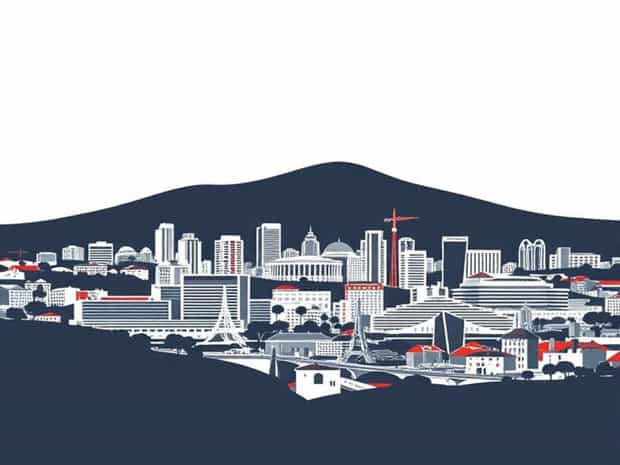
The capital city of Malawi, Lilongwe, is a vibrant and rapidly growing urban center located in the heart of this southeastern African nation. Known for its unique blend of traditional culture and modern development, Lilongwe serves as the political, economic, and administrative hub of Malawi. With its strategic location along major transport routes and proximity to important agricultural regions, the city plays a crucial role in the country’s overall growth and connectivity. Over the years, Lilongwe has transformed from a small administrative town into a bustling capital that embodies both the heritage and aspirations of Malawi.
Historical Background of Lilongwe
Lilongwe’s history as a settlement dates back several centuries, with the area originally inhabited by the Chewa people. During the colonial era under British rule, Lilongwe was a modest administrative post. Its selection as the capital of Malawi in 1975 was a strategic decision aimed at promoting economic development in the central region of the country, reducing congestion in Blantyre, and ensuring better access to governmental services for a wider population. Since then, Lilongwe has expanded steadily, evolving into a city that combines traditional Malawian culture with the demands of modern governance.
Geographical Setting
Lilongwe is situated in the central region of Malawi, approximately 1,050 meters above sea level. The city is characterized by rolling hills, fertile plains, and proximity to rivers that support agriculture and provide scenic landscapes. Its geographical location has made it a hub for trade, agriculture, and transportation. The moderate climate, with distinct wet and dry seasons, further enhances its appeal for settlement and investment. Urban planning has been a significant focus, with government and municipal authorities working to balance growth with environmental sustainability.
Population and Demographics
The population of Lilongwe has grown rapidly over the past few decades, with estimates exceeding one million residents in recent years. This growth is fueled by rural-to-urban migration, natural population increase, and the city’s role as a center of commerce and governance. The population is diverse, with multiple ethnic groups including Chewa, Tumbuka, Yao, and Lomwe, contributing to a rich cultural tapestry. This diversity is reflected in the city’s languages, customs, festivals, and culinary traditions, making Lilongwe a microcosm of Malawian society.
Economic Significance
Lilongwe functions as the economic heart of Malawi, with sectors such as agriculture, commerce, manufacturing, and services driving growth. The city hosts numerous markets, including the Lilongwe City Market, which is a focal point for trade in agricultural produce, crafts, and household goods. Key industries include tobacco processing, food processing, and light manufacturing, which provide employment and stimulate regional economic activity. Additionally, Lilongwe serves as the headquarters for many national and international organizations, contributing to its role as an economic and diplomatic center.
Administrative and Political Hub
As the capital, Lilongwe houses Malawi’s main government institutions, including the Presidential Office, National Assembly, and various ministries and departments. Government buildings are concentrated in the Area 10 and Capital Hill districts, which are designed to accommodate administrative functions and provide secure environments for officials. The presence of international embassies, consulates, and development agencies further enhances the city’s profile as a political and diplomatic center in southern Africa.
Urban Planning and Infrastructure
Lilongwe is known for its structured urban planning, which contrasts with the unplanned growth seen in many other African cities. The city is divided into areas and zones, with residential, commercial, and governmental districts clearly delineated. Infrastructure development has focused on roads, public transportation, utilities, and communication networks. Major roads such as the M1 highway connect Lilongwe to other major cities in Malawi, including Blantyre and Mzuzu, facilitating trade and mobility. Efforts are also underway to improve water supply, waste management, and energy distribution to accommodate the growing urban population.
Cultural and Social Life
Lilongwe offers a rich cultural experience, blending traditional Malawian customs with contemporary lifestyles. Local markets, craft centers, and cultural festivals provide opportunities to experience traditional music, dance, and art. The city is home to museums, cultural centers, and theaters that celebrate Malawian heritage and history. Social life in Lilongwe includes community gatherings, religious activities, and a vibrant street culture, reflecting the city’s diversity and communal spirit. Parks, gardens, and recreational areas contribute to the quality of life, offering spaces for relaxation and family activities.
Education and Health Services
Lilongwe hosts several important educational institutions, ranging from primary and secondary schools to universities and technical colleges. Institutions such as the University of Malawi’s Lilongwe Campus offer higher education opportunities in fields including agriculture, medicine, and social sciences. Healthcare facilities, including public hospitals and private clinics, serve the urban population and surrounding rural areas. Public health initiatives and international partnerships help address challenges such as disease prevention, maternal health, and access to medical services.
Tourism and Attractions
Lilongwe has become an increasingly popular destination for tourists visiting Malawi. Attractions include the Lilongwe Wildlife Centre, which rehabilitates endangered animals, and the Parliament Building area, showcasing modern architecture alongside scenic surroundings. Traditional craft markets and cultural festivals provide authentic experiences of Malawian heritage. Proximity to Lake Malawi, one of Africa’s largest and most beautiful freshwater lakes, allows for excursions that combine natural beauty with recreational activities such as boating, fishing, and bird watching. Tourism contributes to the city’s economy and helps preserve cultural and natural resources.
Challenges and Opportunities
Like many rapidly growing capitals, Lilongwe faces challenges related to urbanization, including traffic congestion, housing shortages, and environmental management. Balancing growth with sustainability is a critical focus for municipal authorities. Opportunities lie in leveraging Lilongwe’s position as a political, economic, and cultural hub to attract investment, improve public services, and enhance quality of life. Sustainable urban planning, community engagement, and international partnerships are key to addressing these challenges while promoting inclusive development.
Future Outlook
The future of Lilongwe as the capital city of Malawi is closely linked to the nation’s development trajectory. Continued investment in infrastructure, education, healthcare, and economic diversification is expected to enhance the city’s regional and international profile. Urban planning initiatives aim to create a more livable and resilient city that can accommodate population growth while maintaining cultural heritage and environmental sustainability. Lilongwe is poised to remain a central pillar of Malawi’s identity, governance, and economic progress.
Lilongwe, the capital city of Malawi, represents a dynamic and evolving urban center that bridges tradition and modernity. Its role as the administrative, economic, and cultural heart of the nation underscores its significance in national development. From historical roots and diverse demographics to economic activities, governance, and cultural vibrancy, Lilongwe exemplifies the multifaceted character of Malawi. As the city continues to grow, it faces both challenges and opportunities, offering a compelling vision of progress, resilience, and community engagement in the heart of southern Africa.