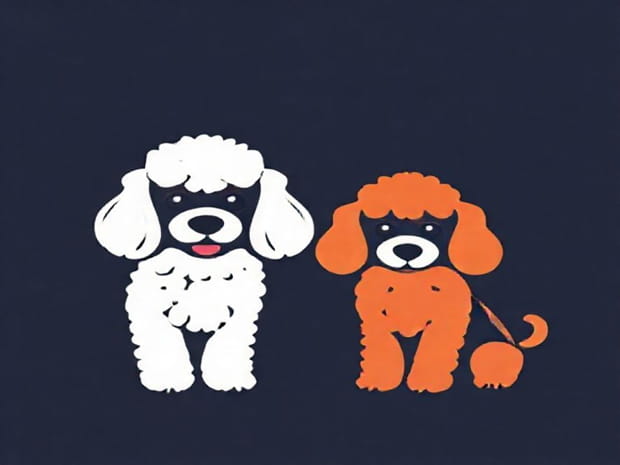
Can Poodles Be Multicolored
Poodles are one of the most recognizable and beloved dog breeds, celebrated for their intelligence, elegance, and hypoallergenic coats. While many people are familiar with the classic solid-colored poodles, a common question among potential owners and dog enthusiasts is whether poodles can be multicolored. The answer is yes, poodles can indeed display multiple colors in their coats, although the prevalence, genetics, and patterns vary across individual dogs. Understanding the possible color combinations, the genetics behind multicolored coats, and the implications for care and breeding can help prospective owners appreciate the beauty and uniqueness of multicolored poodles.
Understanding Poodle Coat Colors
Poodles come in a wide variety of coat colors, ranging from classic black and white to shades of apricot, cream, silver, and more. Standardized breed organizations, such as the American Kennel Club, recognize several solid colors for show purposes, but multicolored poodles exist and are becoming increasingly popular among pet owners who value uniqueness over strict breed standards. These multicolored coats may present in patterns such as parti-color, phantom, or abstract patterns, each offering a distinct and eye-catching appearance.
Common Poodle Coat Colors
- Black
- White
- Apricot
- Cream
- Blue
- Silver
- Gray
- Brown or Chocolate
While these colors are often seen as solid coats, variations in genetics and breeding can lead to combinations that create multicolored patterns, adding diversity and personality to each dog’s appearance.
Multicolored Poodle Patterns
Multicolored poodles can exhibit several patterns that combine two or more colors. These patterns are a result of selective breeding and natural genetic variations. The most common multicolored patterns in poodles include
Parti-Color Poodles
Parti-color poodles have a predominantly white coat with patches of another color, such as black, brown, or apricot. The patches are usually well-defined and can vary in size and placement. Parti-color poodles are recognized by most breed clubs and are highly sought after for their striking appearance and playful aesthetic.
Phantom Poodles
Phantom poodles feature a base color, often black or brown, with symmetrical markings in a secondary color. These markings typically appear above the eyes, on the chest, legs, and sometimes around the muzzle. Phantom patterns are particularly popular in toy and miniature poodles, as they accentuate the breed’s elegant structure and facial expressions.
Abstract Poodles
Abstract poodles display unique and irregular patterns that do not fit traditional categories. These patterns can include patches, streaks, or mixed colors that create a distinctive look. Abstract coloring is less common and often results from unexpected genetic combinations.
The Genetics Behind Multicolored Poodles
The coat color and pattern of a poodle are determined by complex genetic factors. The presence of specific genes influences pigment production, distribution, and pattern formation. Breeders often use knowledge of these genetic principles to predict and produce desired multicolored coats, although variations and surprises are common due to the intricate nature of canine genetics.
Key Genetic Factors
- Dominant and Recessive GenesCertain coat colors are dominant, such as black, while others, like cream or apricot, are recessive. The combination of these genes from both parents determines the puppy’s color.
- Spotting GenesGenes responsible for white spotting create parti-color patterns by inhibiting pigment in specific areas.
- Modifier GenesThese genes can influence the shade and intensity of the base color, contributing to phantom or abstract patterns.
Understanding these genetic mechanisms allows breeders to make informed decisions when aiming for multicolored poodles, but natural variation always plays a role, resulting in some unpredictability in coat patterns.
Multicolored Poodles in Breeding
Breeding multicolored poodles requires careful selection of parent dogs to achieve desired coat patterns. Responsible breeders consider both genetics and health, prioritizing overall well-being over color alone. Multicolored poodles are often bred for companions rather than show dogs, as some breed standards for show favor solid colors. Nevertheless, the popularity of unique and striking coat patterns ensures that multicolored poodles remain highly desirable pets.
Considerations for Breeders
- Health screening to ensure genetic conditions are not passed on
- Knowledge of parent coat colors and patterns
- Understanding the inheritance of dominant, recessive, and modifier genes
- Focus on temperament, intelligence, and overall breed traits, not just color
Caring for Multicolored Poodle Coats
The coat of a poodle, regardless of color, requires regular grooming to maintain its texture and appearance. Multicolored poodles may have sections that highlight their patterns, making grooming even more important to preserve the visual appeal of the coat. Proper care ensures that colors remain vibrant and the coat stays healthy.
Grooming Tips
- Regular brushing to prevent matting and tangles
- Frequent bathing with gentle, dog-friendly shampoo
- Trimming or clipping to maintain shape and highlight color patterns
- Regular ear cleaning, nail trimming, and dental care for overall health
Multicolored poodles may require slightly more attention in grooming to ensure that patterns are visible and the coat remains free of dirt or debris that can obscure colors.
Poodles can indeed be multicolored, displaying patterns such as parti-color, phantom, and abstract designs. These striking coat variations are influenced by complex genetics involving dominant and recessive genes, spotting genes, and modifier genes. Multicolored poodles are often bred for companionship, and their unique patterns add to their charm and appeal. While breeding for color requires knowledge and careful selection, it is equally important to prioritize the health, temperament, and well-being of the dogs. Proper grooming and care are essential to maintain the vibrant and elegant appearance of multicolored coats. Whether as a pet or a show dog, multicolored poodles stand out for their intelligence, playful personality, and eye-catching beauty, making them a favorite choice for dog lovers around the world.