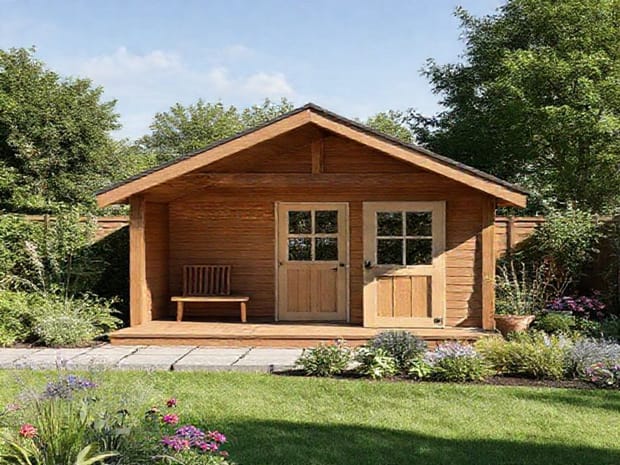
Can I Build An Outbuilding In My Garden
Building an outbuilding in your garden can be an exciting way to expand your living space, create a home office, or add storage for tools and equipment. Many homeowners consider constructing sheds, garages, garden studios, or summerhouses to make the most of their outdoor areas. However, before starting construction, it is essential to understand the rules and regulations surrounding outbuildings, as well as practical considerations related to size, location, and purpose. Knowing whether you can legally build an outbuilding in your garden will save you time, money, and potential legal issues in the future.
Understanding Outbuilding Regulations
Outbuildings are generally defined as detached structures within the boundaries of a residential property. Regulations regarding their construction vary depending on your local jurisdiction, so it is important to check with local planning authorities before starting any project. Key factors that often influence whether you can build an outbuilding include
- Planning permission requirements
- Permitted development rights
- Size and height restrictions
- Distance from property boundaries
- Intended use of the building
Failure to comply with these rules can lead to fines, enforcement notices, or even the need to demolish the structure, so understanding local regulations is a crucial first step.
Permitted Development Rights
In many countries, including the UK, homeowners have permitted development rights that allow them to build certain types of outbuildings without formal planning permission. These rights typically apply to residential properties and cover sheds, garages, greenhouses, or small garden studios, provided they meet specific criteria. Common restrictions under permitted development rights include
- The building must be single-storey
- Maximum height of 2.5 to 3 meters if located within two meters of a property boundary
- Maximum overall height of 4 meters for dual-pitched roofs or 3 meters for flat roofs
- The outbuilding cannot cover more than 50% of the garden area
- The building must not be used as a separate residential dwelling
These limitations are designed to protect neighboring properties, maintain aesthetic consistency, and ensure that the garden retains its open space.
Planning Permission
If your proposed outbuilding exceeds the limits of permitted development, you may need to apply for planning permission from your local authority. Planning permission is required when
- The building is higher than allowed under permitted development
- The total area of outbuildings exceeds legal limits
- The building is intended for commercial use
- The property is in a conservation area or has listed status
Applying for planning permission involves submitting detailed plans, including dimensions, materials, and intended use. The local authority will consider the potential impact on neighbors, visual appearance, and environmental factors before granting approval. Approval can take several weeks or months, so it is important to plan ahead if you intend to build a large or unconventional structure.
Considerations for Building an Outbuilding
Before constructing an outbuilding, there are several practical considerations to take into account
- PurposeDetermine whether the structure will be used for storage, a workspace, leisure, or additional living space. The intended use can influence design, size, and material choice.
- LocationPlace the outbuilding in a convenient spot that does not obstruct sunlight, views, or access to other parts of your garden. Consider proximity to utilities if electricity or water connections are needed.
- MaterialsChoose durable and weather-resistant materials suitable for outdoor conditions. Common options include wood, metal, or composite materials for walls and roofs.
- Drainage and FoundationEnsure proper drainage to prevent water damage and install a stable foundation for structural integrity.
- Aesthetic ConsiderationsThe outbuilding should complement your property and garden design. Matching rooflines, colors, and materials can enhance visual appeal.
Impact on Property and Neighbors
Building an outbuilding can affect your property and those around you. Potential impacts include
- Blocking sunlight or views for neighbors
- Increasing local traffic or noise if the building is used as a workshop or home office
- Changing property value, either positively or negatively, depending on design and use
Maintaining good communication with neighbors and adhering to local regulations can help minimize disputes and ensure that your outbuilding is a positive addition to your garden.
Utility Connections
If your outbuilding requires electricity, water, or heating, it is important to plan these connections carefully. Professional installation may be necessary to comply with safety standards and building codes. Consider energy-efficient solutions and water-saving measures to reduce operational costs. Proper planning for utilities ensures that the outbuilding is functional, safe, and comfortable for its intended purpose.
Costs and Budgeting
Constructing an outbuilding involves multiple costs beyond just materials. Key expenses include
- Site preparation and foundation work
- Construction materials and labor
- Permits and planning applications if required
- Utility connections and fittings
- Interior finishing, furniture, or shelving
Budgeting accurately from the start helps prevent unexpected expenses and allows for high-quality construction that meets your needs. DIY projects can reduce labor costs but may require additional time and expertise.
Building an outbuilding in your garden is possible, but whether you can do so legally depends on local regulations, permitted development rights, and planning permission requirements. Considerations such as the intended use, size, materials, location, and impact on neighbors are critical to a successful project. Proper planning, compliance with regulations, and careful budgeting will ensure that your outbuilding enhances your property, provides functional space, and remains a valuable addition for years to come. Consulting local authorities and professional builders is recommended to navigate legal requirements and create a safe, attractive, and practical structure.