Can Ectomorph Change To Mesomorphs
Body types have long been a topic of discussion in fitness and nutrition circles, especially when it comes to understanding how genetics influence physique. Ectomorphs, characterized by a naturally lean frame, fast metabolism, and difficulty gaining muscle mass, often wonder if it is possible to transform into a mesomorph, which is a body type known for a more muscular and athletic build. While genetics play a significant role in determining your natural body type, lifestyle factors, including diet, training, and recovery, can significantly alter your physique. Understanding how these factors interact can provide insight into whether an ectomorph can develop the traits typically associated with mesomorphs.
Understanding Ectomorph and Mesomorph Body Types
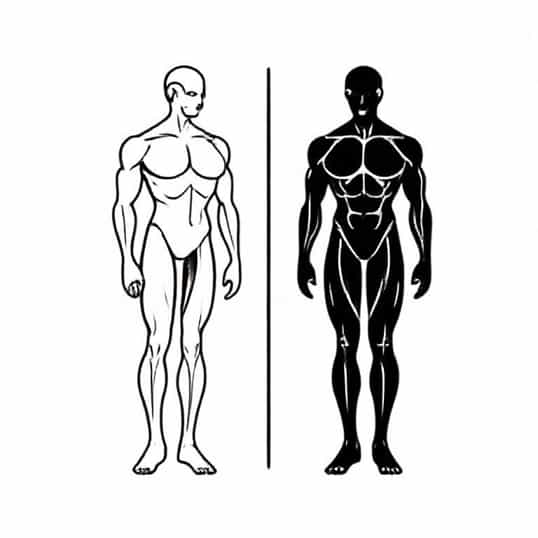
Ectomorphs are naturally slim, with narrow shoulders and hips, and typically have a fast metabolism that makes gaining weight and muscle challenging. They may excel in endurance activities but often struggle with strength training and hypertrophy. On the other hand, mesomorphs tend to have wider shoulders, a narrower waist, and a more muscular and athletic appearance. Mesomorphs can gain and lose weight relatively easily and respond well to both strength training and cardiovascular exercises. The differences between these body types are largely genetic, but training, nutrition, and lifestyle choices can influence muscle growth, fat distribution, and overall appearance.
Genetics vs. Lifestyle
Genetics establish the foundation of your body type, including bone structure, muscle fiber composition, and metabolic rate. However, lifestyle factors can significantly modify how these traits manifest. While an ectomorph may not completely change into a true mesomorph, it is possible to develop a more muscular, mesomorph-like physique through consistent and targeted training, proper nutrition, and adequate recovery. Focusing on these factors can help ectomorphs overcome their natural limitations and achieve a stronger, more athletic appearance.
Training Strategies for Ectomorphs
For ectomorphs aiming to achieve a mesomorph-like physique, strength training should be the foundation of any fitness plan. Resistance exercises that target major muscle groups can help build size and strength. Compound movements such as squats, deadlifts, bench presses, and pull-ups are particularly effective because they engage multiple muscles simultaneously and stimulate muscle growth more efficiently than isolation exercises. Training frequency should balance intensity with recovery, as ectomorphs often require more rest to allow for muscle repair and growth.
Progressive Overload
Progressive overload is a key principle for ectomorphs seeking to increase muscle mass. This involves gradually increasing the weight, repetitions, or intensity of exercises to continually challenge the muscles. By applying progressive overload consistently, ectomorphs can stimulate hypertrophy and build the muscular structure typically seen in mesomorphs. Tracking progress and making incremental adjustments ensures that the body continues to adapt and grow over time.
Incorporating Cardiovascular Exercise
While strength training is essential, cardiovascular exercise also plays a role in overall fitness. Ectomorphs should focus on moderate cardio sessions to maintain heart health without burning excessive calories, which could hinder muscle gain. Activities such as brisk walking, cycling, or light jogging for 20 to 30 minutes a few times a week can support endurance and cardiovascular health without interfering with hypertrophy goals.
Nutrition for Muscle Growth
Nutrition is equally critical for ectomorphs looking to develop a mesomorph-like physique. Due to their fast metabolism, ectomorphs often need to consume more calories than other body types to support muscle growth. A diet rich in protein, healthy fats, and complex carbohydrates provides the essential nutrients for muscle repair and energy. Protein sources such as lean meats, eggs, dairy, and plant-based proteins help build and maintain muscle mass, while carbohydrates provide the energy needed for intense training sessions. Healthy fats from nuts, seeds, and oils support hormone production, which is essential for muscle growth.
Meal Timing and Frequency
Eating frequent, balanced meals throughout the day can help ectomorphs maintain a caloric surplus necessary for muscle gain. Consuming protein-rich meals and snacks before and after workouts supports muscle recovery and growth. Additionally, tracking macronutrient intake ensures that the body receives sufficient fuel for both training and daily activity.
Recovery and Sleep
Recovery is a crucial component of transforming an ectomorph’s physique. Muscles grow during rest periods, not during workouts, making sleep and recovery essential for hypertrophy. Ectomorphs should aim for at least 7-9 hours of sleep per night and include rest days in their training schedule. Proper recovery also involves managing stress, staying hydrated, and using techniques such as stretching or foam rolling to reduce muscle soreness and improve mobility.
Supplements and Support
While not mandatory, certain supplements can aid ectomorphs in their goal to develop a mesomorph-like physique. Protein powders, creatine, and branched-chain amino acids (BCAAs) can support muscle growth and recovery when combined with a proper diet and training regimen. It is important to remember that supplements are an addition to a well-rounded nutrition plan, not a replacement for whole foods and consistent training.
Realistic Expectations
It is important for ectomorphs to set realistic expectations when aiming to change their physique. While significant improvements in muscle mass and body composition are achievable, completely transforming into a natural mesomorph is unlikely due to genetic limitations. Focusing on enhancing strengths, addressing weaknesses, and creating a balanced, athletic build can lead to impressive results. Progress should be measured through changes in strength, muscle definition, and overall fitness rather than purely attempting to match another body type.
Consistency and Patience
Consistency is the most critical factor in achieving lasting results. Ectomorphs must remain patient, as muscle growth and body composition changes take time. Following a structured training plan, maintaining a caloric surplus with proper nutrition, prioritizing recovery, and monitoring progress over weeks and months will yield visible changes. Over time, the physique can shift closer to mesomorph characteristics, with increased muscle mass, improved posture, and a more athletic appearance.
While ectomorphs may not be able to completely change into mesomorphs due to inherent genetic traits, it is entirely possible to develop a strong, muscular, and athletic physique resembling mesomorph characteristics. Through consistent strength training, proper nutrition, sufficient recovery, and realistic goal-setting, ectomorphs can maximize their muscle growth potential and transform their overall body composition. By understanding the interplay of genetics and lifestyle, individuals can focus on achievable improvements and enjoy the process of reshaping their bodies for better health and fitness.
In summary, the transformation from ectomorph to a mesomorph-like physique involves a combination of targeted training, caloric surplus, balanced nutrition, and dedicated recovery. With patience, commitment, and a structured approach, ectomorphs can overcome natural limitations, enhance their muscularity, and achieve a more defined and athletic appearance. While genetics set the foundation, lifestyle choices determine how effectively one can build strength, muscle, and overall physical presence.