Can A Homeowner Replace Electrical Panel
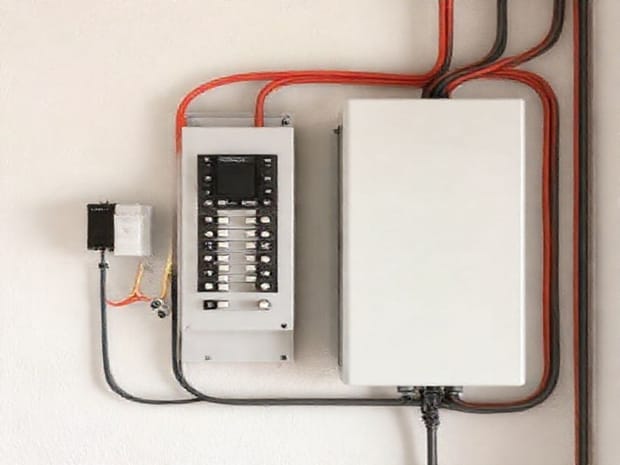
Replacing an electrical panel is one of the more complex and potentially dangerous tasks a homeowner might consider. Electrical panels, also known as breaker boxes or service panels, are critical components of a home’s electrical system, distributing power from the utility company to various circuits throughout the house. Given the high voltages involved and strict local building codes, many homeowners wonder whether it is safe or legal for them to replace an electrical panel themselves. Understanding the risks, requirements, and best practices can help homeowners make informed decisions about panel replacement.
Understanding the Role of an Electrical Panel
The electrical panel serves as the central hub for a home’s electricity. It receives power from the utility meter and distributes it through individual circuit breakers to different parts of the house. Each breaker protects a specific circuit, preventing overloads that could cause fires or damage to appliances. Modern panels are designed with safety features, including circuit breakers that automatically trip when a circuit draws too much current. Replacing a panel involves not only physically swapping the unit but also correctly reconnecting all circuits and ensuring compliance with safety standards.
Why Homeowners Consider Replacing Electrical Panels
There are several reasons why homeowners might consider replacing an electrical panel
- Outdated PanelsOlder panels, such as those with fuses or brand-specific designs, may not support modern electrical loads safely.
- Insufficient CapacityHomes with increased energy demands, including multiple appliances and electronics, may require a panel with higher amperage.
- Corrosion or DamageMoisture, rust, or physical damage can compromise the panel’s functionality and safety.
- Electrical UpgradesRenovations or additions to a home may necessitate a larger or more modern panel to handle additional circuits.
Legal and Safety Considerations
Before attempting to replace an electrical panel, homeowners must be aware of local laws and safety requirements. Many states and municipalities require that electrical panel replacements be performed by licensed electricians. Permits are often necessary, and inspections are typically mandated to ensure the work meets national and local electrical codes. Attempting a DIY replacement without proper knowledge, tools, or permits can result in severe safety hazards, including electric shock, fire, or legal liabilities.
Electrical Hazards of DIY Panel Replacement
Working on an electrical panel exposes a person to high-voltage electricity, which can be fatal if mishandled. Even with the main breaker turned off, certain parts of the panel may still carry live electricity from the utility feed. Improper connections, incorrectly rated breakers, or bypassing safety features can result in overheating, arcing, and fires. Additionally, a poorly installed panel may fail to protect circuits adequately, leaving the home vulnerable to electrical hazards.
Steps Involved in Professional Panel Replacement
While homeowners are often curious about the process, it is important to note that professional electricians follow strict protocols to ensure safety and compliance. The general steps include
- Assessment and PlanningDetermine the required panel size, amperage, and compatible breaker types based on the home’s electrical load and future needs.
- Obtaining PermitsApply for the necessary permits from the local building department, ensuring the work will be inspected and approved.
- Power ShutdownCoordinate with the utility company to safely disconnect power to the existing panel before removal.
- Removing the Old PanelDisconnect all circuit wires and safely remove the old panel without damaging existing wiring.
- Installing the New PanelMount the new panel, connect the utility feed, and carefully reconnect all branch circuits to appropriate breakers.
- Inspection and TestingInspect all connections for safety and code compliance, then restore power and test each circuit for proper function.
Tools and Knowledge Required
Replacing an electrical panel is not a simple task. Electricians use specialized tools, including insulated screwdrivers, voltage testers, wire strippers, and torque wrenches. In addition to tools, knowledge of electrical codes, load calculations, and safe handling procedures is essential. Missteps can lead to non-compliance with regulations, increased insurance risks, or serious injury.
Alternatives for Homeowners
For homeowners unwilling or unable to perform panel replacement safely, several alternatives exist
- Hire a Licensed ElectricianEnsures work is code-compliant, safe, and inspected.
- Panel Upgrade ConsultationElectricians can assess whether a full panel replacement is necessary or if additional subpanels can meet increased power demands.
- Electrical Load ManagementIn some cases, managing energy use and redistributing loads can delay the need for a full panel replacement.
Cost Considerations
Replacing an electrical panel involves costs for the new panel, labor, permits, and potential additional upgrades such as grounding or rewiring. While DIY replacement might seem to save money, the potential risks and costs associated with mistakes often outweigh the savings. Hiring a licensed electrician provides peace of mind and ensures the long-term safety and efficiency of the home’s electrical system.
While technically a homeowner could replace an electrical panel, it is highly discouraged due to the significant safety hazards, legal requirements, and technical knowledge required. Electrical panels are critical to the safety and functionality of a home, and mistakes during replacement can have severe consequences. The safest and most reliable approach is to hire a licensed electrician who can handle the replacement professionally, obtain necessary permits, and ensure compliance with local electrical codes. Understanding the complexity, risks, and requirements highlights why professional installation is the best choice for homeowners considering panel replacement.