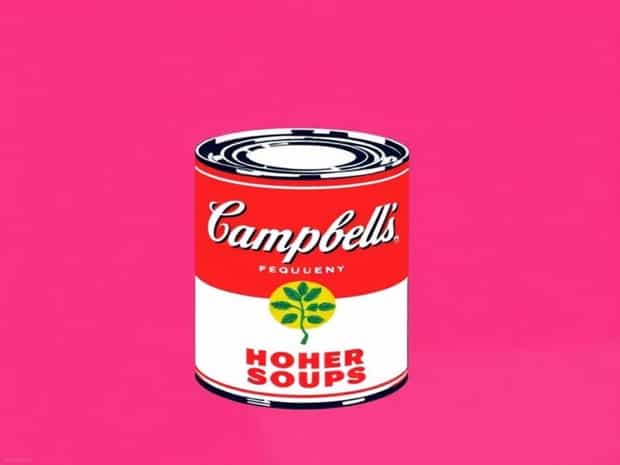
Campbell Soup Andy Warhol
The collaboration between Campbell Soup and Andy Warhol represents one of the most iconic intersections of art and popular culture in the 20th century. Warhol, a leading figure in the Pop Art movement, transformed everyday consumer goods into celebrated artworks, and his Campbell Soup series became a symbol of artistic innovation, commercial critique, and cultural commentary. By taking a simple, mass-produced product like a soup can and presenting it as fine art, Warhol challenged traditional notions of art, consumerism, and media influence. The Campbell Soup paintings are not only visually striking but also deeply reflective of postwar American society, capturing the essence of mass production, branding, and the growing obsession with consumer culture. Understanding the history and significance of Campbell Soup and Andy Warhol provides insight into the evolution of modern art and the enduring impact of Pop Art.
Origins of the Campbell Soup Series
Andy Warhol first began experimenting with everyday commercial imagery in the early 1960s, inspired by the abundance of consumer goods and advertising that characterized postwar America. The Campbell Soup series emerged as a result of Warhol’s fascination with mass production, repetition, and commercial iconography. Campbell Soup, with its distinctive red and white labels and familiar presence in American households, provided the perfect subject for exploring themes of consumerism and cultural identity. Warhol’s choice was deliberate, highlighting the intersection of art and commerce while questioning what constitutes artistic value.
The First Campbell Soup Can Painting
In 1962, Warhol created his first Campbell Soup Can painting, featuring the iconic Tomato Soup variety. This work measured approximately 20 inches tall and depicted the label with meticulous attention to detail. Unlike traditional still-life paintings, Warhol’s approach was mechanical and impersonal, reflecting the influence of commercial art techniques and the emerging industrial aesthetic. The painting was initially controversial, with critics divided over whether such a mundane subject could be considered art, but it ultimately became a seminal work that defined the Pop Art movement.
Artistic Techniques and Style
Warhol employed a combination of painting and silkscreen printing techniques to create his Campbell Soup series. His use of repetition, bold colors, and flat, graphic design elements mirrored the commercial processes used in advertising and packaging. By incorporating mass production techniques into his artwork, Warhol blurred the line between fine art and consumer culture, emphasizing the mechanized nature of contemporary life.
Silkscreen Printing
Silkscreen printing allowed Warhol to reproduce the same image multiple times with slight variations in color, creating a sense of uniformity and mass production. This method reinforced the themes of consumerism and replication, highlighting how products and media are endlessly duplicated in society. The technique also enabled Warhol to produce large-scale works efficiently, mirroring the industrial processes he sought to critique and celebrate.
Color and Composition
Color played a crucial role in the Campbell Soup series. Warhol used bright, eye-catching colors to emphasize the commercial appeal of the product and draw viewers’ attention. The composition was deliberately simple, with the soup can centered against a plain background, focusing the viewer’s gaze on the familiar icon. This minimalistic approach enhanced the impact of the imagery and underscored the tension between ordinary objects and high art.
Cultural Impact and Reception
The Campbell Soup series had a profound cultural impact, influencing both the art world and popular culture. Warhol’s work challenged traditional ideas of what could be considered art, questioning the elitism of the art establishment and celebrating mass culture. The paintings became symbols of the Pop Art movement, which embraced consumer goods, advertising, and media imagery as legitimate artistic subjects.
Critical Reception
When first exhibited, the Campbell Soup paintings received mixed reviews. Some critics dismissed the work as superficial or gimmicky, while others recognized its innovative commentary on consumer culture. Over time, the series gained widespread acclaim and became iconic representations of 20th-century art, studied and admired for its conceptual depth and visual impact. Today, Warhol’s Campbell Soup paintings are celebrated for their ability to capture the essence of an era and provoke dialogue about the relationship between art and commerce.
Influence on Pop Art
Warhol’s Campbell Soup series solidified his role as a leading figure in the Pop Art movement. By elevating everyday objects to the status of art, he influenced countless artists to explore themes of consumerism, advertising, and mass media. The work also encouraged a reevaluation of artistic techniques, inspiring experimentation with repetition, commercial methods, and mixed media approaches in contemporary art.
Commercial and Collectible Significance
The Campbell Soup paintings also hold significant commercial and collectible value. Warhol’s works are highly sought after in the art market, with original pieces fetching millions of dollars at auctions. The series has been reproduced in prints, merchandise, and media, further blurring the lines between art, commerce, and consumer culture. This dual role as both artwork and commercial icon reflects Warhol’s commentary on the commodification of everyday life.
Exhibitions and Public Collections
Major museums around the world, including the Museum of Modern Art in New York and the Tate Modern in London, feature Warhol’s Campbell Soup paintings in their permanent collections. These exhibitions allow audiences to engage with the artwork in a cultural and historical context, exploring its impact on contemporary art and society. The series continues to be a highlight in retrospectives of Warhol’s career and Pop Art as a whole.
Reproductions and Cultural References
- Commercial Prints Limited edition silkscreen prints of the Campbell Soup paintings remain popular among collectors and art enthusiasts.
- Merchandise The iconic imagery has been featured on clothing, posters, and consumer products, demonstrating its enduring appeal.
- Media and Pop Culture References to Warhol’s soup cans appear in films, advertising, and graphic design, cementing the image as a cultural symbol.
Philosophical and Artistic Interpretations
The Campbell Soup series invites philosophical and artistic interpretations about consumerism, identity, and the role of art in society. Warhol’s focus on a commonplace object encourages viewers to consider the intersection of everyday life and aesthetic experience. By presenting commercial products as art, Warhol challenged notions of originality, authorship, and artistic value.
Commentary on Consumer Culture
The paintings critique the growing influence of consumer culture in postwar America, reflecting society’s fascination with branding, mass production, and standardized products. Warhol’s work suggests that consumer goods are not merely functional but also carry cultural and symbolic significance, shaping identity and social norms.
Repetition and Mechanization
The repeated depiction of soup cans highlights themes of mechanization, mass production, and the repetitive nature of modern life. Warhol’s approach mirrors industrial processes and advertising strategies, emphasizing the pervasive presence of commercial imagery in daily experience.
Legacy of Campbell Soup and Andy Warhol
The legacy of Campbell Soup and Andy Warhol extends far beyond the art world. The series continues to inspire artists, designers, and cultural commentators to explore the boundaries between art, commerce, and popular culture. Warhol’s work remains relevant in contemporary discussions about branding, consumerism, and media influence, reflecting the enduring significance of his vision.
Influence on Contemporary Art
Contemporary artists often draw inspiration from Warhol’s techniques, subject matter, and conceptual approach. The integration of commercial imagery into fine art continues to resonate in visual arts, photography, and digital media, demonstrating the lasting impact of the Campbell Soup series on creative expression.
Enduring Cultural Symbol
Andy Warhol’s Campbell Soup paintings have become emblematic of American culture and Pop Art. The familiar red and white cans symbolize the intersection of art, consumerism, and mass media, reminding audiences of the profound ways in which everyday objects can carry cultural meaning. The artwork continues to captivate new generations, reinforcing its place as an iconic cultural artifact.
The collaboration between Campbell Soup and Andy Warhol represents a groundbreaking moment in modern art, blending commercial imagery with fine art in a way that challenged conventions and redefined cultural perceptions. Warhol’s Campbell Soup series explores themes of consumerism, repetition, and mass production, offering both a critique and celebration of postwar American culture. Through innovative techniques, bold compositions, and conceptual depth, these paintings have left a lasting legacy on Pop Art, contemporary art, and popular culture. The iconic soup cans serve as enduring symbols of the interplay between everyday life and artistic expression, highlighting the transformative power of art in shaping society and cultural identity.
Ultimately, Campbell Soup and Andy Warhol demonstrate that even the most ordinary objects can inspire extraordinary artistic exploration. By elevating a simple commercial product into the realm of high art, Warhol challenged perceptions, sparked dialogue, and created a visual language that continues to influence artists and captivate audiences worldwide. The Campbell Soup series remains a testament to the enduring relevance of Pop Art and the genius of Andy Warhol’s vision.