British Army Regimental Flags
Throughout history, flags have held a special place in military tradition, serving as symbols of unity, pride, and identity. Within the British Army, regimental flags carry an even deeper meaning, representing the heritage and honor of individual regiments. These banners, often referred to as Colours, are not just pieces of cloth but sacred emblems that connect present-day soldiers with generations of those who served before them. Understanding British Army regimental flags is essential for appreciating the culture, traditions, and ceremonial practices of one of the world’s oldest military institutions.
The Meaning of Regimental Flags
Regimental flags in the British Army are often called the King’s Colour and the Regimental Colour. Each regiment typically has two Colours, and they are treated with the utmost respect. The King’s Colour (or historically the Queen’s Colour, depending on the reigning monarch) symbolizes loyalty to the Crown. The Regimental Colour, on the other hand, represents the identity, history, and achievements of the regiment itself.
Importance to the Regiment
These flags are more than decorative. They serve as rallying points in battle and as powerful reminders of duty during peace. Soldiers swear allegiance to the Colours, and losing a flag in combat has historically been considered a great dishonor. For this reason, the protection of British Army regimental flags has always been of paramount importance.
Historical Origins of British Regimental Flags
The use of regimental flags dates back to the 17th century, when standing armies in Britain first began to adopt standard symbols for identification. Before modern communications, flags played a critical role in guiding troops on the battlefield. Each regiment carried its own Colours to help soldiers distinguish friend from foe and to maintain formation in the chaos of combat.
Development Through the Centuries
As time progressed, regimental flags became increasingly ornate. They began to display battle honors inscriptions or symbols marking victories and campaigns in which the regiment had distinguished itself. These additions turned flags into historical documents, recording the legacy of military service across centuries.
Types of Regimental Flags
There are two primary types of regimental flags within the British Army. Together, they embody the dual commitments of the military service to the nation and loyalty to their regiment.
The King’s Colour
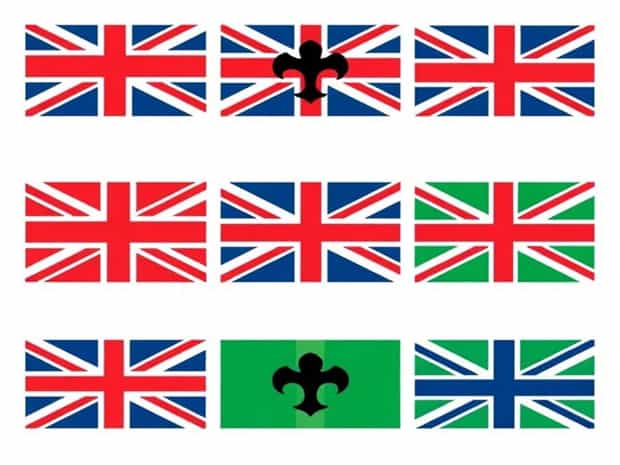
The King’s Colour is typically a version of the Union Flag, symbolizing allegiance to the Crown. It represents national unity and the regiment’s role as a protector of the nation. This flag often includes the regiment’s badge, name, or insignia placed at its center.
The Regimental Colour
The Regimental Colour usually bears the unique insignia, motto, and battle honors specific to the unit. Its background is often in the regiment’s traditional facing color, making it distinct and easily recognizable. This flag is especially meaningful to soldiers, as it represents their own regiment’s proud history and achievements.
Battle Honors on Regimental Flags
One of the defining features of British Army regimental flags is the inclusion of battle honors. These are official recognitions of campaigns or battles in which the regiment has fought with distinction. They are inscribed on the Regimental Colour, ensuring that every parade or ceremony reminds soldiers and the public of the regiment’s sacrifices and triumphs.
Examples of Historic Battle Honors
-
Waterloo – marking the regiment’s role in the defeat of Napoleon.
-
Somme – commemorating participation in World War I’s defining battles.
-
El Alamein – recognizing contributions in World War II’s North African campaign.
These inscriptions create a visible link between modern soldiers and their historical predecessors, emphasizing continuity of service.
Ceremonial Use of Regimental Flags
Today, regimental flags are most often seen in ceremonial contexts. They are paraded during formal occasions such as Trooping the Colour, remembrance services, and regimental anniversaries. In these settings, the flags take center stage as symbols of tradition and pride.
Trooping the Colour
One of the most famous ceremonies involving British Army regimental flags is Trooping the Colour, held annually to mark the official birthday of the monarch. During this event, the Colours of a regiment are displayed and paraded before the public, reinforcing their ceremonial importance.
Custody and Respect for the Flags
British Army regimental flags are treated with the greatest respect. They are never allowed to touch the ground and are carried only by designated officers. When Colours become too old or damaged for use, they are not discarded but laid up in churches, cathedrals, or regimental chapels, where they remain as enduring memorials.
Rituals of Laying Up
The process of laying up old Colours is deeply symbolic. Once placed in a sacred space, they are left to naturally decay, signifying that the spirit of the regiment continues even as the physical banner fades. This practice underscores the belief that regimental flags embody more than fabric they hold the soul of the regiment.
Design Elements of British Regimental Flags
The design of regimental flags combines symbolism, heraldry, and history. Every detail, from the colors to the motifs, carries meaning.
Common Features
-
Regimental Badge – representing the identity of the unit.
-
Motto – often in Latin, summarizing the regiment’s values.
-
Battle Honors – inscribed to mark past achievements.
-
Crown or Royal Emblem – indicating service under the monarchy.
Modern Relevance of Regimental Flags
Even though modern warfare no longer requires physical banners on the battlefield, regimental flags remain central to British Army culture. They provide continuity between past and present, reminding soldiers of their regiment’s identity and values. In a military world shaped by advanced technology, these flags remain timeless symbols of courage, unity, and sacrifice.
Connection With National Identity
British Army regimental flags also play a broader cultural role. They serve as visible expressions of national history, uniting citizens in recognition of the sacrifices made by soldiers. At public events, these flags evoke pride not only among serving soldiers but also among veterans, families, and communities connected to the regiments.
The story of British Army regimental flags is one of tradition, respect, and enduring symbolism. From their origins as battlefield markers to their modern role in ceremonial events, these flags represent loyalty to the Crown and devotion to the regiment. The King’s Colour and Regimental Colour together embody the spirit of service, courage, and history that define the British Army. For soldiers and citizens alike, these banners remain powerful reminders of sacrifice and honor, linking the present generation to centuries of military heritage.