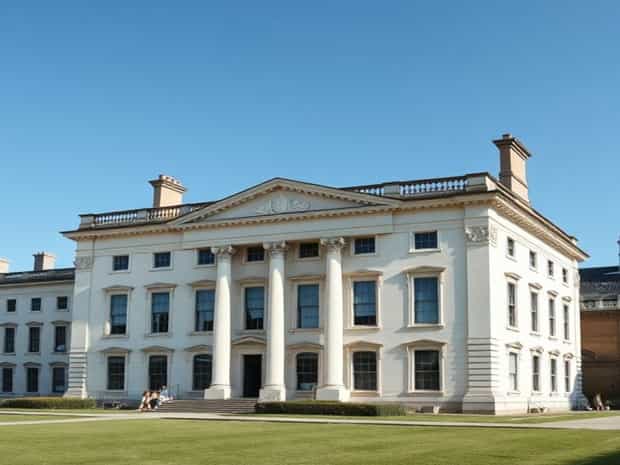
British Architect Who Brought Italianate Architecture To England
The history of architecture in England has been shaped by numerous international influences, but one of the most notable transformations came with the introduction of Italianate architecture. This style, characterized by its classical proportions, elegant detailing, and picturesque aesthetics, was brought to England in the 19th century by a visionary British architect who understood the beauty and versatility of Italian design. His work not only influenced residential architecture but also public buildings and landscapes, leaving a lasting mark on English architectural history.
The Rise of Italianate Architecture
Italianate architecture emerged in England during the early 19th century as part of a broader European fascination with Renaissance Italy. The style drew inspiration from the palazzos of northern Italy, featuring low-pitched roofs, tall windows, and ornate cornices. Unlike the strict symmetry of Georgian architecture, Italianate design allowed for more flexibility and a romantic approach to proportions and decoration. This approach resonated with the British public, who were seeking a style that combined elegance, comfort, and visual interest.
Key Characteristics of Italianate Architecture
- Low-pitched or flat roofs with wide overhanging eaves supported by decorative brackets.
- Tall, narrow windows often crowned with arches or pediments.
- Use of classical elements such as columns, pilasters, and balustrades.
- Emphasis on asymmetrical facades and picturesque silhouettes.
- Incorporation of towers or cupolas to create a distinct profile.
These features created a sense of grandeur while maintaining a human scale, making Italianate architecture suitable for both urban townhouses and sprawling country estates.
The Architect Who Introduced Italianate Design to England
The British architect who brought Italianate architecture to England was Sir Charles Barry. Barry was already an accomplished architect, known for his versatility and ability to work in multiple styles. His travels to Italy provided him with firsthand experience of Renaissance and classical architecture, allowing him to study proportion, detailing, and the integration of buildings into their natural surroundings. Upon returning to England, Barry sought to reinterpret these Italian principles for the English context.
Charles Barry’s Early Influences
Barry’s early education and apprenticeship exposed him to the Gothic Revival style, but his travels to Italy profoundly impacted his aesthetic sensibilities. He studied Italian villas, churches, and public buildings, noting the harmony between structural design and decorative elements. These experiences informed his later works, where he emphasized both elegance and functionality. Barry was particularly drawn to the way Italian buildings blended classical motifs with a sense of domestic comfort, an approach that appealed to English clients seeking both beauty and practicality.
Notable Works and Contributions
One of Barry’s most influential projects that showcased the Italianate style was the remodeling of suburban villas and country houses for wealthy clients. These buildings featured characteristic Italianate elements, including bracketed cornices, tall windows, and decorative towers. Barry’s ability to adapt Italian principles to English tastes and climates made his work widely admired and emulated by other architects.
The Transformation of Public Architecture
Beyond private residences, Barry also applied Italianate principles to civic and public buildings. His designs often incorporated symmetrical layouts with decorative detailing that referenced classical Italian precedents. The use of grand facades, coupled with practical interiors, demonstrated how Italianate architecture could serve both aesthetic and functional purposes. Barry’s influence encouraged a generation of architects to explore more expressive and varied styles, moving away from the strict constraints of Georgian and neoclassical design.
The Italianate Villa Movement in England
Barry’s work helped popularize the Italianate villa as a symbol of prestige and refinement. Wealthy landowners commissioned these villas in suburban and rural locations, appreciating the style’s combination of elegance and comfort. Italianate villas typically featured a central block flanked by wings, with terraces and gardens designed to enhance the picturesque quality of the property. The style’s flexibility allowed architects to adapt it to different scales, from modest townhouses to grand country estates.
Legacy and Influence
The legacy of Barry’s introduction of Italianate architecture extends beyond individual buildings. His approach influenced urban planning, garden design, and the general taste for picturesque and romantic architecture in England. Italianate features became a common sight in English towns and cities, often integrated into row houses, civic buildings, and institutional architecture. By the mid-19th century, Italianate architecture had become a recognized and admired style, in large part due to Barry’s pioneering work.
Italianate Style in Modern Context
Today, Italianate architecture remains celebrated for its charm, elegance, and adaptability. Many surviving examples of Barry’s work are preserved as historic landmarks, providing insight into the architectural trends of 19th-century England. Modern architects and designers continue to draw inspiration from Italianate principles, particularly the emphasis on proportion, ornamental detailing, and the integration of buildings with their surroundings.
Preservation and Restoration
Preserving Italianate buildings requires careful attention to original materials, decorative elements, and structural features. Restoration projects often involve repairing ornate cornices, maintaining original window designs, and conserving interior detailing that reflects the Italianate aesthetic. These efforts ensure that the legacy of architects like Charles Barry continues to inform contemporary architectural practice and appreciation.
The introduction of Italianate architecture to England represents a pivotal moment in the country’s architectural history. Sir Charles Barry’s vision, informed by his studies of Italian Renaissance and classical architecture, transformed both residential and public design. Through his villas, townhouses, and civic projects, Barry demonstrated the elegance, flexibility, and enduring appeal of the Italianate style. Today, his work stands as a testament to the power of cultural exchange and the lasting influence of a single architect who bridged the gap between Italian elegance and English practicality.