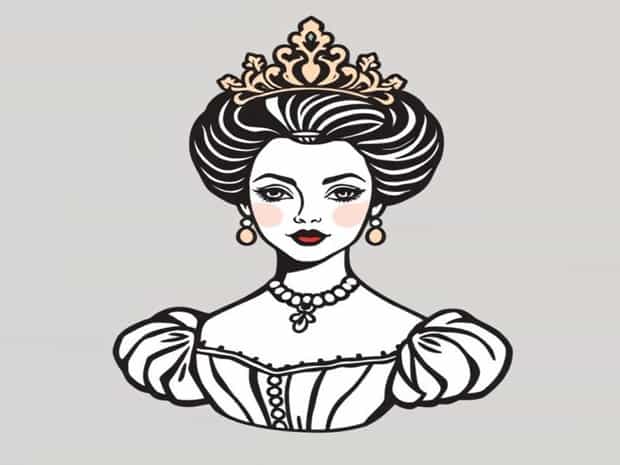
Boucher Madame De Pompadour
François Boucher, a leading Rococo painter of 18th century France, is widely celebrated for his elegant and sensuous portraits, particularly those of Madame de Pompadour, the influential mistress of King Louis XV. Boucher’s depictions of Madame de Pompadour combine refined artistry with a keen sense of character, capturing not only her beauty but also her charm, intellect, and status at court. These portraits played a key role in shaping her public image and cementing her legacy in French history. By blending idealized beauty with intimate realism, Boucher helped create some of the most iconic images of 18th-century aristocracy, demonstrating the interplay between art, politics, and personal influence during the Rococo period.
Introduction to François Boucher
François Boucher (1703-1770) was a master of the Rococo style, known for his delicate brushwork, pastel colors, and playful compositions. His works often depicted mythological scenes, pastoral landscapes, and portraits of the French elite. Boucher’s art exemplified the Rococo fascination with elegance, grace, and lighthearted themes, and he became the official court painter of Louis XV. One of his most famous commissions was the series of portraits of Madame de Pompadour, which highlighted his ability to blend portraiture with elements of idealized beauty and decorative sophistication.
Madame de Pompadour Life and Influence
Jeanne-Antoinette Poisson, better known as Madame de Pompadour (1721-1764), rose from bourgeois origins to become the official mistress of Louis XV and a powerful figure in the French court. She was admired not only for her beauty but also for her intelligence, wit, and cultural influence. Madame de Pompadour was a notable patron of the arts, supporting painters, architects, and writers. Her relationship with Boucher allowed him to portray her in a variety of sophisticated, graceful poses that reflected her elevated social status and her cultivated persona as a refined intellectual and fashion icon.
Boucher’s Portrayals of Madame de Pompadour
Boucher painted Madame de Pompadour in several styles, emphasizing both her elegance and her charm. His portraits often portrayed her in lavish gowns, adorned with jewels, and set against opulent backgrounds that highlighted the grandeur of her position at court. These paintings were not just simple likenesses; they were carefully constructed to project an image of grace, sophistication, and refinement that aligned with Pompadour’s public persona.
Key Portraits
- Madame de Pompadour in a Pink RobeThis portrait depicts her in a soft pink gown, exuding warmth and approachability while retaining regal dignity.
- Madame de Pompadour in a Blue DressHere, Boucher emphasizes her intellect and composure, framing her against a backdrop of classical furniture and drapery.
- Pompadour at the LouvreThis work shows her in a formal setting, highlighting her cultural patronage and role in the arts.
Artistic Techniques and Style
Boucher employed several distinctive techniques in his portraits of Madame de Pompadour
- Soft, Luminous BrushworkBoucher’s delicate brushstrokes create a glowing, lifelike texture in her skin and fabrics.
- Pastel and Rococo ColorsSoft pinks, blues, and creams convey refinement and elegance, characteristic of Rococo taste.
- Elegant CompositionHe carefully arranged figures, furniture, and backgrounds to highlight her status and poise.
- Subtle SymbolismObjects such as books, musical instruments, or flowers are often included to reference her intellect, cultural interests, and personal grace.
The Impact of Boucher’s Portraits
Boucher’s portraits of Madame de Pompadour had a profound impact both at court and in the art world. They helped establish the visual language of Rococo portraiture, emphasizing elegance, charm, and personality. Through these portraits, Madame de Pompadour’s public image was carefully curated, projecting both sophistication and accessibility. Boucher’s work also influenced other artists of the period, setting standards for aristocratic portraiture that blended idealized beauty with intimate realism.
Madame de Pompadour’s Legacy in Art and Culture
Madame de Pompadour’s collaboration with Boucher and other artists extended beyond simple portraiture. She was a tastemaker in the French court, encouraging the creation of luxurious furnishings, fashion, and architecture. The portraits of Pompadour became symbols of refinement and cultural influence, ensuring her enduring legacy. Art historians often point to these works as exemplary of the Rococo style, where aesthetic pleasure and social messaging intersected seamlessly. Boucher’s paintings continue to be studied and admired in museums and galleries worldwide, reflecting both the artist’s skill and Pompadour’s enduring fascination as a historical figure.
The relationship between François Boucher and Madame de Pompadour represents one of the most remarkable collaborations between artist and patron in 18th-century France. Boucher’s portraits immortalized Pompadour’s beauty, elegance, and influence, blending artistic mastery with social messaging. Through soft brushwork, luminous color palettes, and symbolic compositions, Boucher captured not only her likeness but also the essence of her persona as a powerful, cultured, and admired figure. These works remain a testament to the Rococo era’s emphasis on refinement, charm, and aesthetic pleasure, securing both Boucher and Madame de Pompadour a lasting place in art history and cultural memory.