Both Victim And Perpetrator
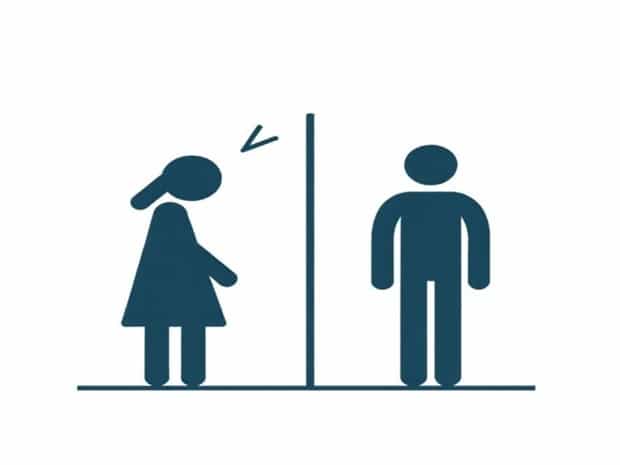
In complex human interactions, it is possible for individuals to occupy the roles of both victim and perpetrator, creating a layered and often confusing dynamic that challenges simple notions of right and wrong. Understanding this duality requires careful examination of psychological, social, and situational factors that influence behavior. People are rarely entirely innocent or wholly culpable, and circumstances can push someone into actions that harm others while simultaneously subjecting them to harm themselves. Exploring this interplay allows for a deeper understanding of human behavior, empathy, accountability, and the complexities inherent in moral and ethical decision-making.
Defining Victim and Perpetrator
A victim is generally defined as someone who suffers harm, whether physical, emotional, or psychological, as a result of another’s actions or external circumstances. Victims often experience feelings of helplessness, vulnerability, and trauma, and may require support, validation, and opportunities to heal. The term perpetrator, on the other hand, refers to an individual who inflicts harm, violating boundaries, rules, or social norms. While these definitions seem clear-cut, real-world scenarios often reveal overlaps where one individual can occupy both roles simultaneously.
Examples of Dual Roles
- Bullying in schools, where a child may bully peers in one context while being bullied by others in another.
- Domestic abuse situations, where cycles of retaliation and self-defense blur the lines between victim and perpetrator.
- Workplace conflicts, where individuals may engage in harmful behaviors toward colleagues while also being mistreated by others.
- Historical or societal contexts, where groups may inflict harm in response to oppression or marginalization, making roles complex and interwoven.
Psychological Perspectives
Psychology provides several frameworks to understand how someone can be both a victim and a perpetrator. One key concept is the cycle of abuse, which demonstrates how individuals who experience trauma or abuse may internalize harmful behaviors and later repeat them. This does not excuse wrongdoing, but it highlights the influence of past experiences on present behavior. Additionally, social learning theory suggests that individuals model behaviors observed in their environment, sometimes perpetuating harm unintentionally due to learned patterns.
Factors Contributing to Dual Roles
- Trauma and Past AbuseExperiencing harm can shape behavior, leading to responses that harm others.
- Environmental InfluencesPeer pressure, cultural norms, or systemic inequalities can push individuals toward perpetration.
- Emotional DysregulationInability to manage emotions like anger, fear, or frustration may result in harmful actions.
- Power DynamicsShifts in power and control within relationships or social structures can create situations where someone is both harmed and harming.
The Impact on Relationships
Being both a victim and a perpetrator complicates interpersonal relationships. Trust, communication, and emotional stability can be compromised when roles are fluid and boundaries are blurred. Family systems, friendships, and romantic relationships may experience cycles of conflict and reconciliation, where individuals alternate between being harmed and causing harm. Understanding these dynamics is essential for conflict resolution, emotional support, and promoting healthier interactions.
Strategies for Navigating Complex Dynamics
- Awareness and ReflectionRecognizing one’s own dual roles can foster self-awareness and reduce harmful patterns.
- Seeking SupportTherapy, counseling, or support groups can help individuals process trauma and develop healthier coping strategies.
- CommunicationOpen dialogue about experiences, boundaries, and expectations can prevent misunderstandings and reduce harm.
- Setting BoundariesEstablishing clear personal limits is crucial to avoid both victimization and perpetration.
- AccountabilityAccepting responsibility for harmful actions while acknowledging experiences of harm promotes ethical growth and relational repair.
Societal and Legal Implications
On a larger scale, recognizing individuals as both victims and perpetrators has implications for social policies, justice systems, and community support programs. Legal systems often struggle with nuanced cases where the roles of victim and perpetrator overlap, such as in cases of self-defense, coercion, or retaliatory behavior. Social services and mental health programs increasingly emphasize trauma-informed approaches, understanding that individuals’ harmful behaviors may stem from prior victimization. Policies that balance accountability with rehabilitation can better address these complexities and reduce cycles of harm.
Education and Prevention
Preventive measures are crucial for minimizing situations where individuals become both victims and perpetrators. Educational programs that promote empathy, conflict resolution, and emotional regulation can reduce harmful behaviors. Schools, workplaces, and communities can implement policies and programs that address bullying, harassment, and abuse, fostering safer environments. By teaching people to recognize patterns of harm and providing tools for positive responses, society can mitigate the cycle of dual roles.
Personal Growth and Healing
Individuals who recognize themselves as both victims and perpetrators have an opportunity for profound personal growth. Understanding one’s behavior in context allows for self-compassion while maintaining responsibility for actions. Healing often involves
- Processing trauma to reduce its influence on current behavior.
- Developing emotional intelligence and coping mechanisms to prevent retaliation or harm.
- Engaging in restorative practices that repair relationships and rebuild trust.
- Learning to break cycles of harm through conscious decision-making and behavioral change.
This journey is rarely linear, but acknowledging the duality of roles is a crucial step toward healthier interactions and a more nuanced understanding of oneself and others.
The concept of being both victim and perpetrator illustrates the complexity of human behavior and the fluidity of moral and ethical roles. By exploring the psychological, social, and relational dimensions of this duality, individuals and communities can better understand the causes of harm, the consequences of actions, and the potential for healing and growth. Awareness, empathy, and accountability are essential tools for navigating these dynamics, fostering resilience, and breaking cycles of harm. Recognizing the intertwined nature of victimhood and perpetration ultimately promotes a more compassionate and informed approach to understanding human relationships, justice, and personal development.