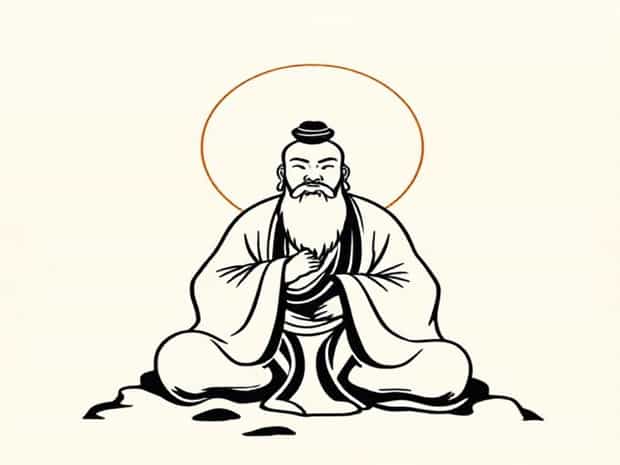
Bodhidharma The Greatest Zen Master
Bodhidharma is widely regarded as one of the greatest Zen masters in history, whose teachings and discipline profoundly shaped Zen Buddhism and the practices of martial arts, especially within the Shaolin tradition. Known for his deep meditation, unwavering focus, and austere lifestyle, Bodhidharma’s influence extends far beyond his own time. His life, though partly shrouded in legend, offers a model of spiritual dedication, discipline, and insight. Understanding Bodhidharma’s philosophy, teachings, and methods provides valuable lessons for those seeking wisdom, inner peace, and a disciplined approach to life.
The Life and Journey of Bodhidharma
Bodhidharma was an Indian monk who traveled to China during the 5th or 6th century. He is credited with transmitting Chan Buddhism, later known as Zen, to Chinese monks. According to historical accounts and legends, he meditated for nine years facing a wall at the Shaolin monastery, demonstrating extraordinary patience, perseverance, and focus. This commitment to meditation became a cornerstone of Zen practice. Bodhidharma’s journey was not only physical but deeply spiritual, emphasizing personal experience and insight over ritual or dogma. His life illustrates the importance of discipline, self-awareness, and direct engagement with one’s own mind.
Foundations of Bodhidharma’s Teachings
Bodhidharma’s teachings revolve around the principles of direct experience, meditation, and simplicity. He emphasized that enlightenment cannot be gained through scriptures or intellectual study alone; it must be realized through personal practice and inner reflection. Meditation, particularly seated meditation or zazen, was central to his approach. By sitting in stillness and observing the mind without attachment, practitioners could cultivate awareness, clarity, and insight. Bodhidharma’s focus on simplicity and austerity helped students eliminate distractions and develop a deep connection with their own consciousness.
Zen Practice and Discipline
Zen Buddhism, as taught by Bodhidharma, prioritizes practice and discipline. The teachings encourage rigorous meditation routines, ethical conduct, and mindful living. Bodhidharma’s own example, including his legendary wall meditation, reflects the intensity and dedication required for spiritual growth. Discipline in Zen is not merely about following rules; it is about cultivating focus, patience, and consistency in both spiritual and daily life. By following Bodhidharma’s model, practitioners learn to confront challenges with calmness, maintain clarity under pressure, and develop resilience in the face of obstacles.
Integration of Mind and Body
Beyond meditation, Bodhidharma’s influence extends to physical training, particularly in the context of Shaolin martial arts. While historical accuracy is debated, the principle remains clear physical conditioning complements mental discipline. Exercises, stretching, and martial techniques strengthen the body while reinforcing focus and endurance. Integrating physical practice with meditation cultivates balance, awareness, and holistic development. This integration of mind and body is a hallmark of Bodhidharma’s approach, encouraging practitioners to develop both spiritual insight and practical strength.
Core Principles of Bodhidharma’s Zen
Bodhidharma’s teachings emphasize several core principles that define his legacy as the greatest Zen master
- Direct ExperienceTrue understanding comes from personal insight, not external teachings alone.
- MeditationRegular practice of seated meditation cultivates awareness, clarity, and inner peace.
- DisciplineConsistency and rigor in practice strengthen focus and resilience.
- SimplicityEliminating distractions and unnecessary complexity fosters spiritual clarity.
- Mind-Body IntegrationPhysical conditioning complements mental discipline for holistic growth.
- Patience and PerseveranceSpiritual progress requires sustained effort and enduring commitment.
Influence on Zen and Martial Arts
Bodhidharma’s influence is profound in both Zen Buddhism and martial arts. Zen practices introduced by Bodhidharma shaped meditation, mindfulness, and spiritual training throughout East Asia. Monks at Shaolin adopted rigorous meditation and physical practices, integrating mental discipline with martial skill. His teachings emphasized the importance of mastering the mind before attempting mastery of physical techniques. This combination of spiritual insight and martial discipline became a defining feature of Shaolin tradition and influenced countless generations of practitioners.
Lessons from Bodhidharma’s Life
Studying Bodhidharma offers practical lessons for modern life. His commitment to meditation teaches the value of stillness and self-reflection. His austere lifestyle demonstrates the power of simplicity and focus in achieving clarity. Bodhidharma’s patience during his wall meditation shows the importance of perseverance in pursuing meaningful goals. Furthermore, his integration of mind and body highlights the balance necessary for holistic well-being. By incorporating these lessons, individuals can cultivate resilience, mindfulness, and a sense of purpose in daily life.
How to Emulate Bodhidharma
Emulating Bodhidharma involves adopting both mindset and practice
- Practice daily meditation to develop awareness and focus.
- Embrace simplicity and reduce distractions in your environment and lifestyle.
- Engage in physical exercises or mindful movement to strengthen the body and mind.
- Maintain discipline and consistency in your spiritual and personal practices.
- Develop patience, perseverance, and resilience in the face of challenges.
- Seek direct experience and insight rather than relying solely on external knowledge.
Bodhidharma’s Enduring Legacy
The legacy of Bodhidharma continues to inspire Zen practitioners, martial artists, and spiritual seekers worldwide. His teachings encourage self-discipline, direct experience, and a holistic approach to personal development. The principles he taught are timeless, applicable in meditation, mindfulness, martial training, and everyday life. Bodhidharma’s life exemplifies the integration of spiritual insight with practical action, making him an enduring model of dedication, wisdom, and mastery.
Bodhidharma, the greatest Zen master, remains a symbol of unwavering dedication, spiritual insight, and disciplined practice. His emphasis on meditation, simplicity, resilience, and the integration of mind and body continues to influence Zen Buddhism and martial arts to this day. By studying his life and applying his teachings, individuals can cultivate mindfulness, inner strength, and a sense of purpose. Bodhidharma’s legacy demonstrates that true mastery arises from consistent effort, self-awareness, and the courage to confront the mind and body with discipline and clarity.
Through meditation, discipline, simplicity, and resilience, anyone can incorporate the principles of Bodhidharma into daily life. His teachings offer guidance for personal growth, spiritual development, and holistic well-being. Emulating Bodhidharma means striving for mastery of the mind, cultivating awareness, and living with intention, ultimately reflecting the wisdom and dedication of one of history’s greatest Zen masters.