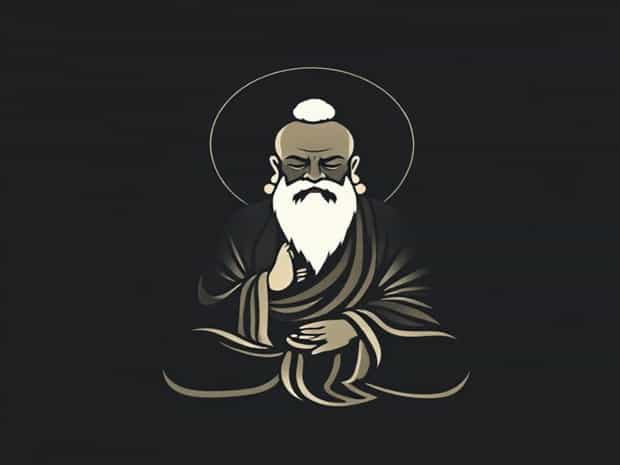
Bodhidharma Ke Bare Mein Jankari
Bodhidharma is a legendary figure in the history of Buddhism, widely recognized as the founder of Zen (or Chan) Buddhism in China. He is also credited with introducing meditation practices and certain martial arts techniques that later influenced the development of Shaolin Kung Fu. Though much about his life remains shrouded in mystery and legend, Bodhidharma’s teachings and contributions have had a profound and lasting impact on spiritual traditions across Asia and the world. Understanding his life, philosophy, and legacy provides valuable insights into the history of Zen Buddhism and the integration of mind, body, and spirit in Eastern practices.
Early Life and Origins
Bodhidharma is believed to have lived during the 5th or 6th century CE. Historical records suggest he was of South Indian or possibly Tamil origin. He was born into a royal family, but from an early age, he chose a path of spiritual pursuit over worldly life. Leaving his home and family, Bodhidharma dedicated himself to deep meditation, study of Buddhist scriptures, and mastery of spiritual practices. His journey from India to China marked a significant point in the transmission of Buddhist philosophy and practice from India to East Asia.
Journey to China
Bodhidharma traveled to China during a time when Buddhism was spreading widely across East Asia. Arriving in the northern regions, he became associated with the Shaolin Monastery, where he is traditionally believed to have taught meditation and introduced exercises designed to strengthen both body and mind. These practices laid the foundation for what would later become the Shaolin martial arts tradition. His journey was not only physical but also symbolic, representing the spread of meditation and spiritual discipline across cultures.
Teachings and Philosophy
Bodhidharma’s teachings emphasized direct experience, meditation, and insight over textual study alone. He believed that enlightenment could be attained through disciplined practice, mindfulness, and understanding the nature of the mind. This approach became the cornerstone of Zen Buddhism, which prioritizes personal experience and self-realization. Bodhidharma often conveyed teachings through parables, gestures, and dialogues, encouraging practitioners to go beyond intellectual understanding and embrace intuitive insight.
Core Principles
- MeditationBodhidharma emphasized seated meditation (zazen) as a primary method for attaining enlightenment.
- Direct ExperienceUnderstanding the truth of existence comes through practice and observation, not just scripture.
- MindfulnessAwareness of thoughts, feelings, and actions is key to spiritual development.
- Self-ReliancePractitioners are encouraged to discover their own path rather than rely solely on teachers or texts.
- Integration of Body and MindPhysical discipline, including exercises for health and strength, complements meditation and spiritual practice.
Association with Shaolin Monastery
Bodhidharma is closely associated with the Shaolin Monastery, where legend states he spent several years meditating in a cave near the temple. During this time, he is believed to have developed exercises for monks to strengthen their bodies, preparing them for rigorous meditation and daily duties. These exercises eventually evolved into the martial arts practices that the Shaolin Monastery is famous for today. While historical accuracy is debated, the connection between Bodhidharma and Shaolin highlights the blending of spiritual and physical discipline in Eastern traditions.
Influence on Martial Arts
- Bodhidharma is credited with introducing exercises that improved strength, flexibility, and endurance among Shaolin monks.
- These exercises later influenced the development of Shaolin Kung Fu and other martial arts forms.
- The integration of physical training and meditation reflects Bodhidharma’s holistic approach to spiritual development.
Legends and Cultural Impact
Many legends surround Bodhidharma’s life, adding a mystical dimension to his historical presence. Stories include his nine-year meditation facing a wall, his ability to teach without speaking, and miraculous feats demonstrating spiritual power. While these tales may be symbolic rather than literal, they highlight the enduring influence of Bodhidharma’s teachings and the respect he commands in Zen Buddhism and martial arts culture. Across Asia, he is revered as a symbol of discipline, perseverance, and enlightenment.
Global Recognition
- Bodhidharma’s teachings have influenced Zen Buddhism not only in China but also in Japan, Korea, and Vietnam.
- Modern practitioners of Zen meditation continue to study his methods for achieving insight and clarity of mind.
- His association with martial arts has contributed to global awareness of Shaolin practices and their spiritual foundations.
Modern Relevance
Today, Bodhidharma’s legacy remains highly relevant for spiritual seekers and practitioners of meditation worldwide. His teachings encourage individuals to look within, cultivate mindfulness, and integrate mental and physical discipline. Workshops, meditation retreats, and martial arts training often reference Bodhidharma as a source of inspiration, demonstrating the timeless nature of his wisdom. By studying his life and philosophy, modern practitioners gain practical tools for personal growth, self-awareness, and holistic well-being.
Practical Applications
- Daily meditation practice to cultivate awareness and reduce stress.
- Mindful physical exercises for overall health and mental clarity.
- Application of Zen principles to improve focus, patience, and resilience.
- Integration of spiritual insight with everyday actions and decisions.
- Encouragement of self-reliance and personal responsibility in spiritual development.
Bodhidharma remains one of the most influential figures in the history of Buddhism and spiritual practice. His teachings on meditation, mindfulness, and direct experience continue to inspire practitioners worldwide. The combination of spiritual discipline and physical exercises, as associated with the Shaolin Monastery, exemplifies a holistic approach to self-cultivation. By understanding Bodhidharma’s life, philosophy, and legacy, individuals gain insight into the profound impact of Zen Buddhism and its practical applications for personal and spiritual growth. His story reminds us of the enduring value of discipline, perseverance, and the quest for enlightenment in both historical and contemporary contexts.