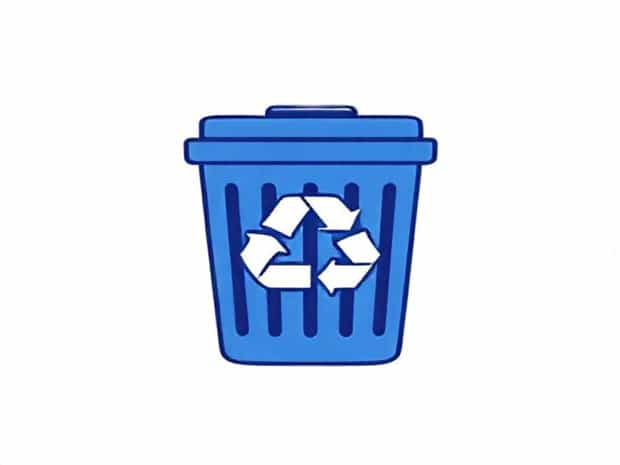
Blue Lidded Recycling Bin
Blue lidded recycling bins have become a common fixture in households, offices, and public spaces, helping communities separate recyclable materials from general waste and promoting environmental sustainability. These bins are typically designated for specific recyclable items such as paper, cardboard, plastic bottles, and metal cans. Using a blue lidded recycling bin correctly can significantly reduce the amount of waste sent to landfills, lower carbon footprints, and support the recycling industry by providing clean, sorted materials that can be processed efficiently. Understanding their proper use, the types of materials accepted, and best practices can maximize the benefits of recycling programs.
The Purpose of Blue Lidded Recycling Bins
Blue lidded recycling bins serve as a clear, visual cue for individuals to separate recyclable materials from general waste. Their standardized color coding is widely recognized in many municipalities and public institutions, which helps reduce confusion and improves participation rates in recycling programs. By placing paper, cardboard, plastic, and metal items into these bins, residents and businesses contribute to a system that recycles valuable resources, conserves energy, and reduces pollution from waste disposal.
Common Materials Accepted
Understanding which materials can be placed in a blue lidded recycling bin is essential for effective recycling. Accepted materials generally include
- Paper products such as newspapers, magazines, office paper, and cardboard.
- Plastic containers, bottles, and tubs that are clearly labeled as recyclable.
- Metal cans, including aluminum beverage cans and tin food containers.
- Clean and empty packaging materials that do not contain food residue.
It is important to avoid placing items like food-soiled containers, plastic bags, and hazardous waste in blue lidded recycling bins, as these can contaminate the recycling stream and make materials more difficult to process.
Benefits of Using Blue Lidded Recycling Bins
Using blue lidded recycling bins has several environmental, economic, and social benefits. Recycling conserves natural resources by reducing the need for raw materials like timber, minerals, and petroleum. It also reduces greenhouse gas emissions by minimizing the energy required to produce new materials. Economically, recycling supports local recycling facilities and creates jobs in the collection, sorting, and processing of recyclables. Socially, these bins help communities foster a culture of sustainability and responsibility, encouraging individuals to actively participate in waste reduction.
Environmental Impact
Proper use of blue lidded recycling bins contributes to significant environmental gains. Recycling paper reduces deforestation and saves water used in production. Recycling metals and plastics decreases the need for mining and petroleum extraction, which in turn lowers pollution levels. By diverting materials from landfills, communities also reduce methane emissions and extend the lifespan of landfill sites, helping combat climate change.
Placement and Accessibility
For blue lidded recycling bins to be effective, they must be conveniently placed and accessible. In residential areas, placing bins near homes or garages encourages regular use. In workplaces and public spaces, clearly marked bins in high-traffic areas, such as lobbies, cafeterias, and outdoor parks, increase recycling participation. Accessibility also includes ensuring that bins are the appropriate size for the expected volume of recyclables and that lids are easy to open for users of all ages.
Maintaining Clean and Efficient Recycling
Maintaining clean and effective blue lidded recycling bins is important to prevent contamination and odor. Tips for keeping bins in good condition include
- Rinsing containers and bottles before placing them in the bin.
- Flattening cardboard boxes to save space and improve collection efficiency.
- Avoiding the disposal of non-recyclable items to prevent contamination.
- Regularly cleaning the bin to reduce odors and maintain hygiene.
- Monitoring and educating household members or employees about proper recycling practices.
Choosing the Right Blue Lidded Recycling Bin
When selecting a blue lidded recycling bin, consider factors such as size, material, durability, and mobility. Larger bins are ideal for homes or businesses with high volumes of recyclables, while smaller bins can be used in offices or kitchens for convenience. Durable plastic bins resist weathering, UV damage, and cracking, making them suitable for outdoor placement. Some bins also feature wheels or handles for easier transportation during collection days. Choosing a high-quality bin ensures long-term use and reliable performance.
Community Recycling Programs
Many local councils and municipalities provide guidelines for using blue lidded recycling bins. These programs often include regular collection schedules, educational materials on acceptable items, and policies to encourage proper recycling practices. Participating in community programs ensures that recyclables are processed correctly and maximizes the environmental benefits. Checking local guidelines also helps avoid penalties for incorrect disposal and improves the efficiency of recycling operations.
Innovations in Recycling Bin Design
Modern blue lidded recycling bins are designed to enhance user experience and improve recycling outcomes. Some features include
- Clear labeling and color coding for easy identification of recyclable materials.
- Compartments for sorting different types of recyclables within the same bin.
- Lockable lids to prevent contamination by animals or unauthorized waste.
- Ventilation systems to reduce moisture buildup and odors.
- Lightweight materials with ergonomic handles for easier handling.
Encouraging Proper Usage
To maximize the effectiveness of blue lidded recycling bins, education and awareness are key. Households, schools, and businesses can post clear instructions on what can and cannot be recycled. Community workshops, online resources, and social media campaigns can further encourage responsible recycling habits. By fostering a culture of proper recycling, individuals and organizations can reduce contamination, improve collection efficiency, and contribute to a cleaner, more sustainable environment.
Blue lidded recycling bins play a crucial role in modern waste management by providing an easy, recognizable, and efficient way to separate recyclable materials from general waste. Proper usage ensures that paper, cardboard, plastics, and metals are collected for recycling, conserving resources and reducing environmental impact. Selecting the right bin, maintaining cleanliness, and following local recycling guidelines enhance the effectiveness of these bins and support sustainable practices. By incorporating blue lidded recycling bins into homes, workplaces, and public spaces, communities can actively participate in environmental stewardship and contribute to a cleaner, healthier planet.