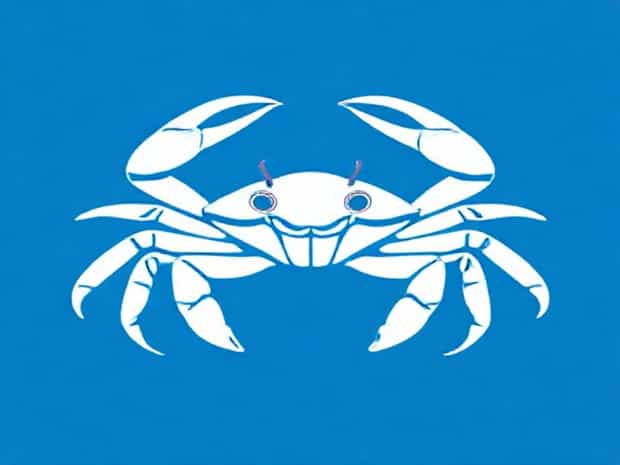
Blue Leg Hermit Crab
The blue leg hermit crab is a fascinating and vibrant species that captivates both novice and experienced marine aquarium enthusiasts. Known for its striking blue-colored legs and active behavior, this small crustacean adds life and movement to saltwater tanks. Native to tropical and subtropical coastal regions, blue leg hermit crabs are detritivores, meaning they play a crucial role in keeping aquariums clean by consuming algae, leftover food, and detritus. Their unique appearance, beneficial ecological role, and relatively easy care requirements make them a popular choice for hobbyists seeking both aesthetics and functionality in their aquariums.
Identification and Appearance
The blue leg hermit crab, scientifically known asClibanarius tricolor, is easily recognizable by its vibrant blue legs, contrasting with a reddish-brown or orange body. The intensity of the blue color may vary depending on diet, age, and overall health. Their bodies are small, usually measuring around 1 to 1.5 inches, and they carry empty shells to protect their soft abdomens. These crabs constantly search for appropriately sized shells, which adds an interactive and dynamic aspect to aquarium observation.
Key Physical Features
- Bright blue legs that stand out in reef tanks.
- Small, reddish or orange body providing color contrast.
- Soft, vulnerable abdomen protected by a borrowed shell.
- Two small claws used for scavenging and feeding.
- Highly mobile and active, often exploring the tank continuously.
Natural Habitat
Blue leg hermit crabs are commonly found in shallow coastal waters, particularly in tropical and subtropical regions of the western Atlantic Ocean, including the Caribbean Sea and the Gulf of Mexico. They inhabit coral reefs, rocky substrates, and sandy areas, where they find abundant food sources and empty shells for protection. In the wild, they are nocturnal feeders, emerging mostly at night to scavenge, which explains their active behavior in aquariums, especially during low light conditions.
Ecological Role
In their natural habitat, blue leg hermit crabs serve as important cleaners. They consume algae, detritus, and leftover food ptopics, preventing the buildup of harmful waste in the ecosystem. Their scavenging helps maintain water quality, reduces algae growth, and supports the overall health of the reef environment. By performing these ecological functions, blue leg hermit crabs contribute to the balance and stability of their native marine ecosystems.
Care Requirements in Aquariums
Blue leg hermit crabs are considered hardy and relatively easy to care for, making them ideal for both beginner and experienced saltwater aquarium hobbyists. However, ensuring their health and longevity requires attention to several factors, including tank size, water parameters, diet, and suitable housing.
Aquarium Setup
- Tank size Minimum 10 gallons for a small group of crabs.
- Water parameters Temperature between 72-78°F, salinity of 1.023-1.025, and pH around 8.1-8.4.
- Substrate Sand or fine gravel to allow burrowing and scavenging.
- Hiding places Rocks, coral structures, and shells to provide shelter and security.
Diet and Feeding
Blue leg hermit crabs are omnivorous scavengers. They primarily consume algae, detritus, and uneaten food, making them excellent natural cleaners for reef tanks. Supplemental feeding may include
- Algae wafers or dried seaweed.
- Small pieces of fish, shrimp, or other protein-based foods.
- Commercially prepared crustacean or marine invertebrate foods.
It is important not to overfeed, as uneaten food can pollute the tank and compromise water quality. These crabs are active scavengers and will usually find enough food in a well-maintained reef tank.
Behavior and Social Interaction
Blue leg hermit crabs are generally peaceful and social creatures. They can coexist with other invertebrates and non-aggressive fish species, making them suitable for community tanks. They are known for their constant shell-switching behavior, as they explore the tank in search of larger or more comfortable shells. This behavior can be fascinating to observe and adds a dynamic element to the aquarium.
Compatibility with Other Species
- Peaceful fish species Clownfish, gobies, and blennies.
- Other invertebrates Snails, cleaner shrimps, and soft corals.
- Avoid Aggressive crabs, large predatory fish, or animals that may attack hermit crabs.
Health and Longevity
Blue leg hermit crabs are hardy but can be sensitive to poor water quality, lack of proper shells, or insufficient food. Regular monitoring of water parameters, providing extra shells of varying sizes, and maintaining a clean tank will help ensure their health. With proper care, these crabs can live for several years, continuing to contribute to the tank’s ecosystem while adding vibrant visual appeal.
Common Health Issues
- Molting problems Insufficient calcium or poor water conditions can disrupt the molting process.
- Shell scarcity Lack of suitable shells can cause stress and vulnerability.
- Water quality issues Ammonia, nitrite, or nitrate spikes can be fatal.
- Predation or aggression Housing with incompatible species may lead to injury or death.
The blue leg hermit crab is a striking, beneficial, and engaging addition to any saltwater aquarium. Its vivid coloration, active scavenging behavior, and ecological role make it highly desirable for hobbyists who wish to maintain a clean and lively tank. By understanding their natural habitat, providing proper care, and ensuring suitable tank conditions, blue leg hermit crabs can thrive for years, offering both visual appeal and functional benefits. These small but remarkable creatures demonstrate how even the tiniest inhabitants can play a significant role in maintaining the beauty and health of marine ecosystems within home aquariums.