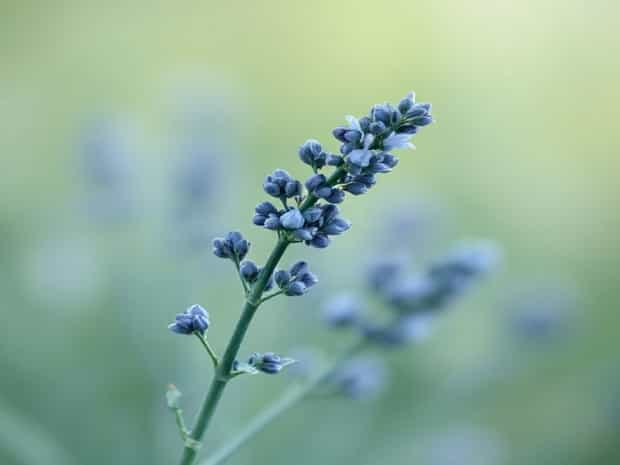
Blue Bedder Sage Medicinal Uses
Blue Bedder Sage, a popular ornamental plant known for its vibrant blue flowers and aromatic foliage, has gained attention not only for its aesthetic appeal but also for its potential medicinal uses. Gardeners often plant it for ground cover or border decoration, yet traditional herbalists have long valued sage varieties for their healing properties. This particular species, while primarily cultivated for landscaping, shares some bioactive compounds with other medicinal sages, offering benefits that extend beyond mere decoration. Understanding the medicinal uses of Blue Bedder Sage involves exploring its active ingredients, historical applications, and contemporary research into its health-promoting qualities.
Botanical Overview of Blue Bedder Sage
Blue Bedder Sage belongs to the Salvia genus, a large group of plants commonly known as sages. Characterized by vibrant blue flowers, aromatic leaves, and a compact growth habit, it is widely appreciated in gardens and landscapes for its low-maintenance nature and ability to attract pollinators such as bees and butterflies. The plant thrives in full sun and well-drained soil, making it suitable for a variety of climates. Although primarily grown for ornamental purposes, Blue Bedder Sage contains essential oils, flavonoids, and phenolic compounds that are known for their therapeutic potential, aligning it with other sage species traditionally used in herbal medicine.
Traditional Medicinal Uses
Historically, sages have been used in traditional medicine for their anti-inflammatory, antimicrobial, and digestive properties. While Blue Bedder Sage is a more recent ornamental introduction, herbalists have explored its leaves and flowers for potential health benefits. Traditionally, sages were employed to relieve digestive discomfort, treat sore throats, and promote overall wellness. The aromatic compounds found in sage leaves were often used in teas, tinctures, or poultices to harness their therapeutic effects. Blue Bedder Sage, with its aromatic qualities, is thought to share similar benefits, making it a candidate for natural remedies and wellness applications.
Active Compounds in Blue Bedder Sage
The medicinal potential of Blue Bedder Sage stems from its bioactive compounds, which include essential oils, phenolic acids, flavonoids, and tannins. These compounds have been studied in other sage varieties for their antioxidant, antimicrobial, and anti-inflammatory effects. Essential oils, in particular, contain volatile components such as cineole, camphor, and thujone, which contribute to respiratory health, digestion, and immune support. Flavonoids and phenolic acids provide antioxidant activity, protecting cells from oxidative stress and supporting overall wellness. While specific studies on Blue Bedder Sage are limited, its chemical profile suggests that it may offer comparable benefits to other medicinal sages.
Health Benefits
- Anti-inflammatory EffectsCompounds in Blue Bedder Sage may help reduce inflammation in the body, potentially aiding in conditions such as arthritis, sore throats, or minor skin irritations.
- Antimicrobial PropertiesThe essential oils present in the leaves have shown potential to inhibit the growth of bacteria and fungi, contributing to natural remedies for minor infections.
- Digestive SupportLike other sages, Blue Bedder Sage may help alleviate digestive discomfort, including bloating and indigestion, when used in teas or infusions.
- Antioxidant ActivityFlavonoids and phenolic acids in the plant can neutralize free radicals, supporting cellular health and overall vitality.
- Respiratory HealthThe aromatic compounds may help soothe minor respiratory issues, such as coughs or congestion, when inhaled through herbal steam or essential oil preparations.
Ways to Use Blue Bedder Sage Medicinally
Blue Bedder Sage can be incorporated into wellness routines through various methods, although it is important to consult with a healthcare professional before using it medicinally. Common uses include
- Herbal TeaSteeping fresh or dried leaves in hot water can create a soothing tea that may aid digestion and provide mild anti-inflammatory effects.
- Topical ApplicationsCrushed leaves can be applied as a poultice to minor cuts, insect bites, or skin irritations, leveraging the plant’s antimicrobial properties.
- AromatherapyThe essential oils from Blue Bedder Sage can be used in diffusers or added to steam inhalations to support respiratory comfort and relaxation.
- Tinctures and ExtractsConcentrated extracts can be prepared to harness the bioactive compounds for potential internal health benefits, following recommended dosage guidelines.
- Decorative and Therapeutic GardeningSimply growing Blue Bedder Sage in a garden can enhance mental well-being, as interacting with aromatic plants is known to reduce stress and promote relaxation.
Safety and Precautions
While Blue Bedder Sage is generally considered safe when used in culinary or mild medicinal applications, excessive consumption or improper use may cause side effects. Essential oils should be diluted before topical use to avoid skin irritation. Pregnant or breastfeeding women, as well as individuals with specific medical conditions or allergies, should consult a healthcare professional before using Blue Bedder Sage medicinally. It is also important to distinguish between ornamental and edible sages, as some decorative varieties may not be intended for internal use.
Blue Bedder Sage offers a unique combination of beauty and potential medicinal benefits. While primarily cultivated as an ornamental plant, its aromatic leaves and bioactive compounds align with traditional uses of other sage varieties, suggesting applications for anti-inflammatory, antimicrobial, and digestive support. Incorporating Blue Bedder Sage into teas, topical remedies, or aromatherapy practices can provide a gentle way to explore its health-promoting properties. As research on this specific species continues to grow, it may become an increasingly popular option for herbal wellness enthusiasts seeking both functional and decorative plants. Its vibrant blue flowers and therapeutic potential make Blue Bedder Sage a valuable addition to gardens and natural health practices alike.
By understanding the medicinal uses of Blue Bedder Sage, gardeners and herbalists can appreciate this plant beyond its visual appeal. Its bioactive compounds, traditional applications, and versatility in wellness practices position it as a noteworthy species in both ornamental horticulture and natural medicine. Whether used for teas, topical applications, or simply enjoyed for its calming fragrance, Blue Bedder Sage demonstrates the harmonious blend of beauty and health benefits that many aromatic herbs can provide, making it a meaningful addition to any garden or herbal collection.