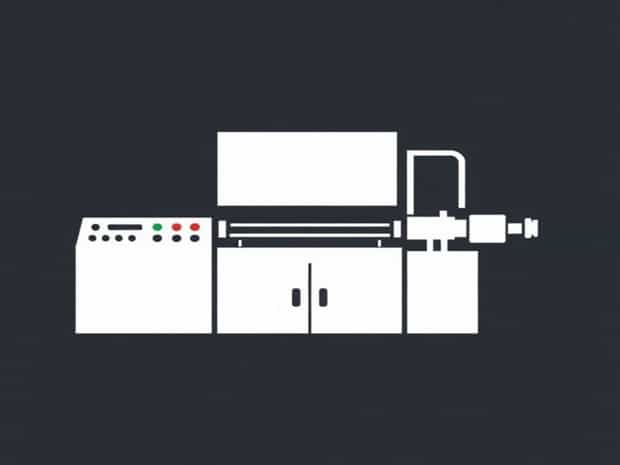
Blown Film Extrusion Machine
The production of plastic films has become a critical component of modern packaging and manufacturing industries. One of the most widely used methods for producing high-quality plastic films is the blown film extrusion process. This technique involves melting plastic resins and forming them into thin, continuous films that can be used for packaging, agricultural applications, and industrial purposes. A blown film extrusion machine plays a central role in this process, offering precise control over film thickness, width, and properties. Understanding how these machines operate, their components, and their advantages is essential for manufacturers seeking efficiency, quality, and consistency in plastic film production.
Overview of Blown Film Extrusion Machines
A blown film extrusion machine is a specialized piece of equipment designed to convert plastic resins, such as polyethylene, into flexible films. The process involves extruding molten plastic through a circular die to form a thin tube, which is then inflated with air to the desired diameter. As the film cools and solidifies, it is drawn upward and wound onto rolls for further processing or packaging. This method enables manufacturers to produce films with uniform thickness and excellent mechanical properties, making it ideal for applications like shopping bags, agricultural films, shrink wraps, and industrial liners.
Main Components of a Blown Film Extrusion Machine
The efficiency and performance of a blown film extrusion machine depend on its components, which work together to produce consistent film quality. Key components include
- ExtruderThe extruder melts and mixes the plastic resin, typically using a screw mechanism to ensure uniform heating and blending.
- Circular DieThe die shapes the molten plastic into a thin tube. The design of the die affects the film’s thickness, width, and uniformity.
- Air RingIntroduces cooling air to the inflated tube, stabilizing its shape and controlling film properties.
- Bubble CageSupports the film bubble during inflation and prevents it from collapsing, ensuring consistent film dimensions.
- Take-Up SystemDraws the cooled film upward at a controlled speed, allowing for proper stretching and thickness control.
- WinderRolls the finished film into coils for storage or further processing.
Blown Film Extrusion Process
The blown film extrusion process is both intricate and precise, allowing manufacturers to produce films that meet specific requirements. The main steps include
- Resin FeedingPlastic pellets or powders are fed into the extruder hopper, where they are gradually melted by the rotating screw and heated barrel.
- ExtrusionThe molten plastic is forced through a circular die to form a continuous tube, known as the parison.
- InflationAir is introduced into the parison, expanding it to the desired diameter and thickness. The air pressure and cooling rate influence film uniformity and mechanical properties.
- CoolingThe air ring and external cooling systems solidify the film, maintaining its shape and surface quality.
- Orientation and StretchingAs the film is drawn upward, it undergoes molecular orientation, which enhances strength, clarity, and barrier properties.
- WindingThe finished film is rolled onto cores for storage, transportation, or further converting processes such as printing, lamination, or bag making.
Types of Blown Film Extrusion Machines
Blown film extrusion machines vary in size, configuration, and capability, depending on production needs and application requirements. Common types include
Single-Layer Blown Film Machines
These machines produce films with a uniform single layer, suitable for general-purpose packaging, grocery bags, and protective films. Single-layer machines are simpler in design and more cost-effective, making them ideal for small to medium-scale production.
Co-Extrusion Blown Film Machines
Co-extrusion machines produce multilayer films by combining two or more resin types during extrusion. This allows manufacturers to create films with enhanced properties, such as improved barrier performance, puncture resistance, or UV protection. Multilayer films are commonly used in food packaging, medical applications, and specialty industrial films.
High-Speed Blown Film Machines
Designed for large-scale production, high-speed machines can produce wide films at greater output rates. These machines feature advanced control systems, larger dies, and precise cooling mechanisms to maintain consistent film quality at high speeds.
Advantages of Using Blown Film Extrusion Machines
Blown film extrusion offers several advantages over alternative film production methods, such as cast film extrusion or calendering
Uniform Film Thickness
The inflation and cooling process ensures a consistent film thickness across the entire roll, which is crucial for packaging applications where mechanical performance and appearance matter.
Versatility in Film Properties
Blown film extrusion allows for the production of films with varying thickness, width, and mechanical properties. By adjusting process parameters and resin blends, manufacturers can tailor the film to specific applications.
Cost-Effectiveness
The process is efficient in material usage, with minimal waste compared to other film manufacturing methods. High-speed machines further enhance productivity, reducing production costs.
Environmental Benefits
Blown film machines can utilize recycled resins without compromising film quality, supporting sustainable manufacturing practices. Additionally, energy-efficient models reduce operational costs and environmental impact.
Applications of Blown Film Extrusion
Blown film extrusion produces versatile films used in a wide range of industries
- PackagingGrocery bags, trash bags, shrink wraps, and food packaging films.
- AgricultureMulch films, greenhouse covers, and silage wraps.
- IndustrialProtective films, liners, and insulation materials.
- MedicalSterile packaging, disposable covers, and barrier films.
Maintenance and Operational Considerations
Regular maintenance and monitoring are essential to ensure the optimal performance of a blown film extrusion machine. Key considerations include
- Routine inspection of the extruder screw, die, and air ring for wear and damage.
- Maintaining precise temperature control in the extruder barrel and die to prevent film defects.
- Monitoring air pressure and cooling systems to ensure uniform film inflation and solidification.
- Periodic lubrication of moving parts and checking electrical components for consistent operation.
- Training operators to adjust process parameters based on resin type, film thickness, and production goals.
Blown film extrusion machines play a vital role in the production of high-quality plastic films for packaging, agriculture, industrial, and medical applications. Their ability to produce uniform, versatile, and cost-effective films makes them indispensable in modern manufacturing. By understanding the components, process, and advantages of blown film extrusion, manufacturers can optimize their operations, improve film quality, and meet the growing demands of diverse industries. Whether using single-layer, co-extrusion, or high-speed machines, the blown film extrusion process remains a cornerstone of flexible film production, offering efficiency, scalability, and the flexibility to create customized solutions for a wide array of applications.