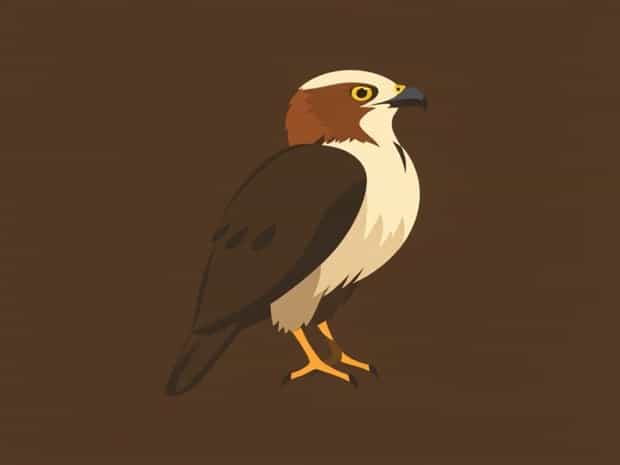
Bird Of Prey Species
Birds of prey are some of the most fascinating and powerful creatures in the animal kingdom, renowned for their sharp talons, keen eyesight, and exceptional hunting skills. These birds play a vital role in maintaining ecological balance by controlling populations of small mammals, reptiles, and insects. From the soaring eagles to the stealthy owls, birds of prey exhibit remarkable diversity in size, behavior, and habitat preferences. Their adaptations for hunting, such as strong beaks and talons, coupled with extraordinary vision, make them apex predators in their respective environments. Understanding different species of birds of prey, their characteristics, and conservation status is crucial for both nature enthusiasts and scientists.
Classification and Types
Birds of prey, also known as raptors, belong to the order Accipitriformes, Falconiformes, and Strigiformes. These groups include eagles, hawks, falcons, kites, vultures, and owls. They are distinguished by their predatory habits, sharp beaks, and powerful talons. Raptors can be found across all continents except Antarctica, inhabiting diverse environments such as forests, mountains, grasslands, and deserts.
Major Species Groups
- Eagles – Large raptors known for their impressive wingspan and hunting prowess, often preying on mammals and fish.
- Hawks – Agile hunters with keen eyesight, commonly found in forests, plains, and urban areas.
- Falcons – Fast-flying birds known for their speed and precision during aerial hunting.
- Kites – Medium-sized raptors that often scavenge but can also hunt insects and small animals.
- Vultures – Scavengers that play an essential role in cleaning up carrion and preventing disease spread.
- Owls – Nocturnal predators with silent flight and exceptional hearing, preying on rodents and insects at night.
Physical Adaptations
Birds of prey are highly specialized for hunting. Their physical characteristics enable them to capture, kill, and consume prey efficiently. Talons are among the most critical adaptations, allowing raptors to grip and immobilize prey. The hooked beak is designed to tear flesh, while strong muscles facilitate powerful strikes. Vision in raptors is particularly extraordinary; many species can spot prey from hundreds of meters away. Owls, in addition to keen eyesight, have highly developed hearing that helps them locate prey in complete darkness.
Flight and Hunting Techniques
Raptors exhibit various flight styles adapted to their hunting strategies. Eagles and hawks soar and glide, using thermal currents to conserve energy while scanning for prey. Falcons perform high-speed dives to capture birds in mid-air. Owls rely on silent flight, thanks to specialized feather structures that reduce noise, allowing them to ambush prey without detection. Each species employs unique hunting techniques suited to its environment and dietary needs.
Habitat and Distribution
Birds of prey inhabit a wide range of ecosystems across the globe. Forests provide cover and abundant prey for hawks and owls, while open grasslands support eagles and kites. Coastal areas and rivers are ideal for fish-eating raptors like ospreys. Vultures are often found in savannas and arid regions, where they can easily locate carrion. Some species have adapted to urban environments, preying on pigeons and rodents. The distribution of raptors is influenced by prey availability, nesting sites, and human activity.
Notable Habitats
- Mountain Ranges – Preferred by eagles for nesting on cliffs and hunting in open areas.
- Forests – Provide cover for hawks and owls, supporting diverse prey populations.
- Wetlands and Rivers – Essential for ospreys and some hawk species that feed on fish and amphibians.
- Grasslands and Savannas – Ideal hunting grounds for vultures, kites, and certain eagles.
- Urban Areas – Adaptable species like peregrine falcons have colonized cities worldwide.
Diet and Feeding Behavior
Birds of prey are carnivorous, feeding on a variety of animals depending on their species and habitat. Their diet can include mammals, birds, reptiles, amphibians, fish, and insects. Some raptors, like vultures, primarily scavenge, while others, such as hawks and falcons, actively hunt live prey. Owls specialize in nocturnal hunting, often consuming small mammals such as mice, rats, and voles. Feeding behavior varies from species to species, with techniques adapted to capture and handle specific prey types.
Prey Examples
- Eagles – Fish, rabbits, snakes, and occasionally other birds.
- Hawks – Small mammals, birds, and reptiles.
- Falcons – Medium-sized birds and insects captured in flight.
- Kites – Insects, small birds, and carrion.
- Owls – Rodents, small birds, and nocturnal insects.
- Vultures – Carrion and animal remains.
Conservation and Threats
Many bird of prey species face significant threats due to habitat loss, pollution, hunting, and human interference. Pesticides and environmental contaminants can affect their reproductive success and survival. Conservation efforts focus on habitat protection, captive breeding, legal protection, and public awareness. Some species, such as the bald eagle, have made remarkable recoveries due to dedicated conservation programs. Protecting birds of prey is crucial for maintaining ecological balance, as they regulate prey populations and contribute to biodiversity.
Conservation Strategies
- Habitat Protection – Establishing protected areas and wildlife reserves.
- Legal Protection – Enforcing laws against hunting and trade of raptors.
- Environmental Awareness – Educating the public about the importance of raptors in ecosystems.
- Captive Breeding and Reintroduction – Supporting species with declining populations.
- Pollution Control – Reducing pesticide use and mitigating environmental contaminants.
Famous Bird of Prey Species
Several bird of prey species are iconic due to their size, hunting skills, or cultural significance. The bald eagle, the national bird of the United States, symbolizes freedom and strength. The peregrine falcon, known for its incredible speed, is one of the fastest animals on Earth. Golden eagles, red-tailed hawks, barn owls, and vultures each hold ecological importance and are admired for their adaptability and hunting prowess. Birdwatchers and wildlife enthusiasts often travel great distances to observe these magnificent creatures in their natural habitats.
Examples of Iconic Raptors
- Bald Eagle – North American symbol, primarily feeding on fish.
- Peregrine Falcon – Renowned for high-speed aerial hunting.
- Golden Eagle – Large predator found in mountainous regions.
- Red-tailed Hawk – Common in North America, versatile hunter.
- Barn Owl – Silent nocturnal hunter with exceptional hearing.
- Griffon Vulture – Scavenger species important for ecosystem cleanliness.
Birds of prey are extraordinary animals that command admiration for their hunting skills, physical adaptations, and ecological significance. From eagles soaring high above mountains to owls silently hunting at night, these raptors maintain a critical balance in natural ecosystems. Awareness of their habitat, diet, behavior, and conservation challenges helps ensure the protection of these majestic creatures. Observing birds of prey in the wild can be a thrilling experience for enthusiasts and highlights the importance of preserving the natural world for future generations. By understanding and supporting conservation efforts, we can ensure that bird of prey species continue to thrive and play their essential role in maintaining biodiversity across the planet.