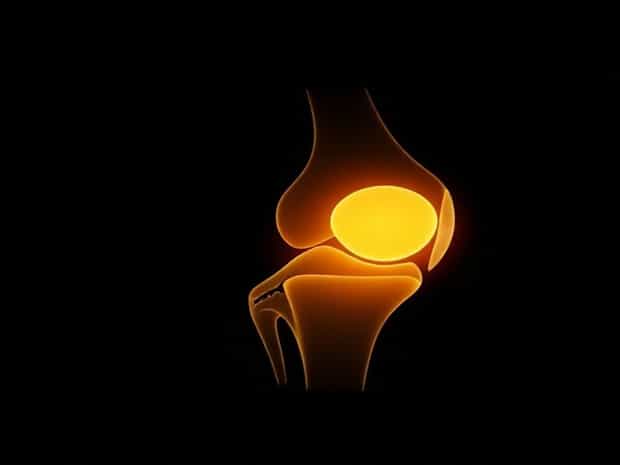
Biomechanics Of The Menisci Of The Knee
The menisci of the knee play a vital role in joint stability, movement, and load distribution. These crescent-shaped fibrocartilaginous structures are located between the femur and tibia, working as shock absorbers while also ensuring smooth articulation. Understanding the biomechanics of the menisci of the knee is essential not only for medical professionals but also for athletes, trainers, and anyone interested in musculoskeletal health. Their function goes beyond simple cushioning, as they contribute to load bearing, joint lubrication, proprioception, and overall knee stability. Without healthy menisci, the knee joint is at greater risk of wear, degeneration, and injury. Exploring their biomechanics provides insight into how these structures maintain the efficiency and longevity of one of the most important joints in the human body.
Structure of the Menisci
The knee has two menisci the medial meniscus and the lateral meniscus. Each has a slightly different shape and function, but together they provide balance in the knee joint. The medial meniscus is more C-shaped and less mobile, while the lateral meniscus is O-shaped and more flexible. Both are composed primarily of collagen fibers arranged in a complex pattern, giving them the strength to withstand compressive and shear forces. Their vascular supply is limited, with blood flow concentrated in the outer third, which explains why injuries often heal poorly without medical intervention.
Basic Biomechanics of the Menisci
Biomechanics refers to the study of how biological structures move and handle mechanical forces. The menisci of the knee perform several biomechanical functions that are crucial for joint health. Their unique shape, composition, and placement allow them to respond dynamically to movement and weight-bearing activities.
Load Distribution
One of the primary biomechanical functions of the menisci is to distribute load across the knee joint. When standing, walking, or running, forces from the body weight are transmitted through the femur onto the tibia. Without the menisci, these forces would concentrate on smaller areas of cartilage, leading to rapid wear. With intact menisci, the contact area is increased, which spreads out the load and protects the articular cartilage from damage.
Shock Absorption
The menisci act as shock absorbers, reducing the impact on the knee joint during activities such as jumping, running, or sudden changes in direction. Their elastic and viscoelastic properties allow them to deform temporarily under pressure and return to their original shape once the load is removed. This helps in dissipating energy and minimizing the risk of injury.
Joint Stability
The menisci enhance knee stability by deepening the articular surface of the tibia, providing a better fit for the rounded femoral condyles. The medial meniscus, in particular, resists excessive movement and helps prevent instability. Together, the menisci act as stabilizing structures that guide joint motion and reduce the risk of abnormal sliding or rotation.
Lubrication and Nutrition
Another biomechanical role of the menisci is to assist in the lubrication and nutrition of the articular cartilage. As the knee moves, the menisci help circulate synovial fluid, ensuring even distribution and nutrient delivery to avascular cartilage areas. This process is vital for maintaining joint health and preventing degeneration.
Meniscal Movement During Knee Motion
The biomechanics of the menisci also involve their movement during knee flexion and extension. The menisci are not static; they shift and adapt as the knee bends or straightens. The lateral meniscus moves more freely, sliding forward and backward to accommodate changes in joint shape. The medial meniscus, being less mobile, remains more stable but still adjusts to some extent. These subtle movements allow the menisci to maintain contact with the femur and tibia, ensuring proper load sharing and minimizing stress on the cartilage.
Forces Acting on the Menisci
The menisci are exposed to a combination of forces that influence their biomechanics. These include
-
Compressive ForcesGenerated by body weight and muscle contractions, these forces press the femur and tibia together, with the menisci absorbing and distributing the load.
-
Shear ForcesOccur during twisting or rotational movements, stressing the collagen fiber orientation in the menisci.
-
Tensile ForcesThe circumferential fibers of the menisci resist being pulled apart, helping maintain their shape under pressure.
The ability of the menisci to handle these forces depends on their structural integrity. Any tear or degeneration compromises this delicate balance and increases the risk of joint damage.
Role in Proprioception
Beyond mechanical functions, the biomechanics of the menisci of the knee also include sensory contributions. The menisci contain mechanoreceptors that provide feedback about joint position and movement. This proprioceptive function is essential for coordinated motion and reflex responses, helping athletes and individuals perform precise movements without conscious effort.
Injury and Biomechanical Consequences
When the menisci are injured, the biomechanics of the knee change dramatically. A torn meniscus disrupts load distribution, reducing the contact area and increasing stress on the articular cartilage. This often leads to pain, swelling, and long-term degeneration such as osteoarthritis. Common meniscal injuries occur due to sports-related activities involving twisting, cutting, or sudden stops. The limited blood supply of the menisci makes natural healing difficult, which is why surgical interventions like meniscectomy or meniscal repair are sometimes required.
Biomechanics After Meniscectomy
When a portion or the entire meniscus is removed surgically, the biomechanics of the knee are altered. Without the meniscus, the joint loses some of its ability to distribute load and absorb shock. This significantly increases the risk of degenerative joint disease. Modern surgical approaches aim to preserve as much of the meniscus as possible, or even replace it with meniscal implants, to maintain normal biomechanics and protect joint function.
Rehabilitation and Functional Biomechanics
Rehabilitation following meniscal injury or surgery focuses on restoring the biomechanics of the knee. Exercises to strengthen the surrounding muscles, improve flexibility, and retrain proprioception are essential. Proper rehabilitation ensures that the knee can regain stability, load-bearing capacity, and mobility, minimizing the long-term consequences of meniscal damage.
Advances in Biomechanical Research
Recent studies on the biomechanics of the menisci of the knee explore advanced imaging and modeling techniques. Computer simulations, finite element analysis, and high-resolution MRI are used to understand how forces interact with meniscal tissue. These studies help improve surgical techniques, guide rehabilitation programs, and even inspire the design of artificial menisci or tissue engineering approaches to restore normal joint function.
The biomechanics of the menisci of the knee highlight their essential role in maintaining joint health, stability, and function. These structures are not passive cushions but dynamic components that handle load distribution, shock absorption, proprioception, and lubrication. When compromised, the entire knee joint suffers, often leading to degenerative changes. By appreciating the biomechanics of the menisci, researchers, clinicians, and athletes can better understand injury prevention, treatment, and rehabilitation. This knowledge underscores the importance of preserving meniscal integrity to ensure lifelong mobility and joint health.