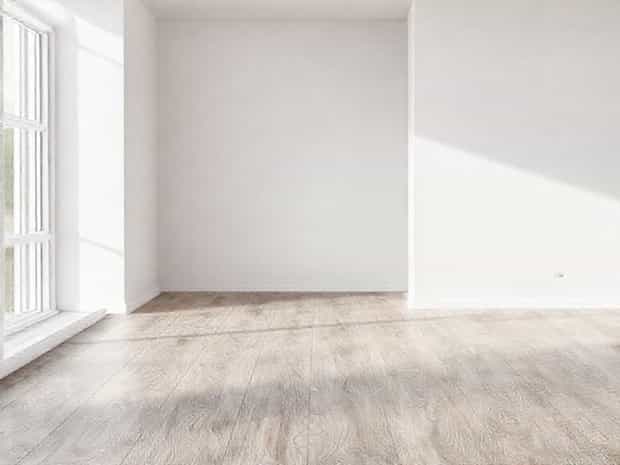
Best Vinyl Plank Flooring
Vinyl plank flooring has emerged as one of the most popular flooring options for homeowners and designers looking for a stylish, durable, and cost-effective solution. Unlike traditional hardwood, vinyl plank flooring combines the aesthetic appeal of natural wood with the practical benefits of modern materials. Its water-resistant and scratch-resistant properties make it suitable for kitchens, bathrooms, and high-traffic areas, while its easy installation process allows for both DIY enthusiasts and professionals to achieve a seamless finish. Choosing the best vinyl plank flooring involves considering factors such as material quality, thickness, wear layer, design options, and installation method to ensure a beautiful and long-lasting floor that meets the demands of your lifestyle.
What is Vinyl Plank Flooring?
Vinyl plank flooring, also known as luxury vinyl plank (LVP), is composed of multiple layers designed to mimic the look of hardwood while providing durability and water resistance. The top layer is a clear wear layer that protects against scratches, stains, and UV damage. Beneath this is a printed design layer that replicates wood grain patterns, colors, and textures. The core layer adds stability and strength, and the backing layer provides support and moisture resistance. This construction makes vinyl plank flooring versatile, suitable for both residential and commercial applications, and ideal for areas prone to moisture or heavy foot traffic.
Benefits of Vinyl Plank Flooring
Vinyl plank flooring offers a range of benefits that make it a practical and attractive flooring option for many homes.
Durability and Scratch Resistance
The wear layer on vinyl planks makes them highly resistant to scratches, dents, and stains, which is especially important in homes with pets or children. High-quality vinyl flooring can withstand heavy foot traffic without showing signs of wear, maintaining its appearance for years.
Water and Moisture Resistance
Unlike hardwood, vinyl plank flooring is impervious to water, making it ideal for kitchens, bathrooms, basements, and laundry rooms. Waterproof options are available that allow the floor to withstand spills and moisture without warping or swelling.
Ease of Installation
Vinyl plank flooring is designed for easy installation, often featuring click-lock systems or peel-and-stick methods. Many homeowners can install vinyl planks over existing floors without the need for adhesives or professional help, saving time and installation costs.
Low Maintenance
Vinyl planks require minimal upkeep. Regular sweeping and occasional mopping are enough to keep them clean and looking new. Unlike hardwood, there is no need for refinishing, sanding, or sealing, making maintenance convenient and cost-effective.
Comfort and Sound Absorption
Vinyl planks are softer and warmer underfoot compared to tile or hardwood, adding comfort to living spaces. Many options also include an attached underlayment that reduces noise and provides extra cushioning, which is particularly beneficial in apartments or multi-story homes.
Key Features to Consider When Choosing Vinyl Plank Flooring
To select the best vinyl plank flooring, it’s important to evaluate specific features that impact performance, durability, and aesthetics.
Wear Layer Thickness
The wear layer is critical for protecting the floor against scratches, stains, and fading. Thickness can range from 6 mil to 40 mil or more. For residential use, a wear layer of 12-20 mil is typically sufficient, while high-traffic or commercial areas benefit from 20-40 mil thickness for extra durability.
Plank Thickness
Vinyl planks vary in thickness, usually between 4 mm to 8 mm. Thicker planks feel more solid underfoot, reduce noise, and better conceal subfloor imperfections. Choosing the right thickness contributes to both comfort and longevity.
Design and Aesthetic Options
Modern vinyl planks come in a wide range of colors, wood species looks, and textures. Embossed-in-register (EIR) options replicate natural wood grain for an authentic appearance. Selecting a design that complements your home’s style enhances the overall look and value of your living space.
Waterproof vs. Water-Resistant
Waterproof vinyl is completely impervious to water, suitable for wet areas such as bathrooms and basements. Water-resistant vinyl can handle minor spills but may not be ideal for full exposure to moisture. Understanding your specific needs helps determine the appropriate type.
Core Construction
The core layer affects stability, sound absorption, and performance. Solid vinyl core or rigid core planks offer better durability and prevent flexing. Some planks also feature SPC (stone plastic composite) cores for enhanced strength and resistance to dents.
Popular Types of Vinyl Plank Flooring
Vinyl plank flooring is available in several formats, each with its own installation method and features.
Click-Lock Vinyl Planks
Click-lock planks snap together without the need for glue or nails. They are suitable for floating floor installations and provide easy DIY solutions. They can be installed over existing floors and are easy to replace if damaged.
Glue-Down Vinyl Planks
Glue-down planks require adhesive to secure them to the subfloor. They offer added stability and are less likely to move or shift. This method is often used in commercial spaces or areas with uneven subfloors.
Loose Lay Vinyl Planks
Loose lay planks rely on weight and friction to stay in place, making installation quick and reversible. They are ideal for temporary setups or areas where you may want to replace the flooring without extensive effort.
Luxury Vinyl Tile (LVT)
LVT is similar to vinyl planks but comes in tile shapes. It provides the same durability and waterproof qualities while allowing for unique patterns and installation designs.
Maintenance Tips for Vinyl Plank Flooring
- Sweep or vacuum regularly to remove dirt and debris that can scratch the surface.
- Mop with a damp cloth or a mild vinyl floor cleaner; avoid harsh chemicals and abrasive tools.
- Place mats at entryways to reduce dirt and grit from shoes.
- Use felt pads under furniture to prevent indentations and scratches.
- Clean spills promptly to maintain the floor’s appearance and longevity.
Choosing the best vinyl plank flooring requires careful consideration of durability, wear layer, thickness, waterproof capabilities, and design aesthetics. High-quality vinyl planks provide a combination of beauty, practicality, and comfort, making them suitable for virtually any room in the home. They offer an affordable alternative to hardwood while providing superior resistance to water, scratches, and everyday wear. With easy installation, low maintenance, and a wide variety of styles, vinyl plank flooring remains a top choice for homeowners seeking a reliable, stylish, and long-lasting flooring solution. By selecting the right product and following proper care, you can enjoy a floor that enhances your home’s value and appearance for many years to come.