Best Time To Visit Meiji Jingu
Meiji Jingu, located in the heart of Tokyo, Japan, is one of the most iconic Shinto shrines in the country. Surrounded by a lush forest and tranquil walking paths, the shrine provides a peaceful retreat from the bustling city life. Dedicated to Emperor Meiji and Empress Shoken, Meiji Jingu holds significant cultural and historical importance. Visiting this sacred site offers travelers a chance to experience traditional Japanese architecture, rituals, and seasonal beauty. Choosing the best time to visit Meiji Jingu can enhance the experience, allowing visitors to witness the shrine at its most picturesque and culturally vibrant moments.
Understanding Meiji Jingu and Its Significance
Meiji Jingu was completed in 1920 to honor Emperor Meiji and Empress Shoken. The shrine is a popular destination for both locals and tourists, offering a space for spiritual reflection, traditional ceremonies, and seasonal festivals. The surrounding forest, with over 100,000 trees donated from across Japan, provides a serene environment that enhances the shrine’s spiritual atmosphere. Visitors can explore the main shrine, the inner gardens, and cultural exhibits that reflect Japan’s history and traditions.
Main Attractions at Meiji Jingu
- Main Shrine Hall – A beautifully constructed Shinto shrine where visitors can observe rituals and offer prayers.
- Treasure Museum – Exhibits personal items and memorabilia of Emperor Meiji and Empress Shoken.
- Inner Garden – A traditional Japanese garden featuring seasonal flowers, ponds, and scenic walking paths.
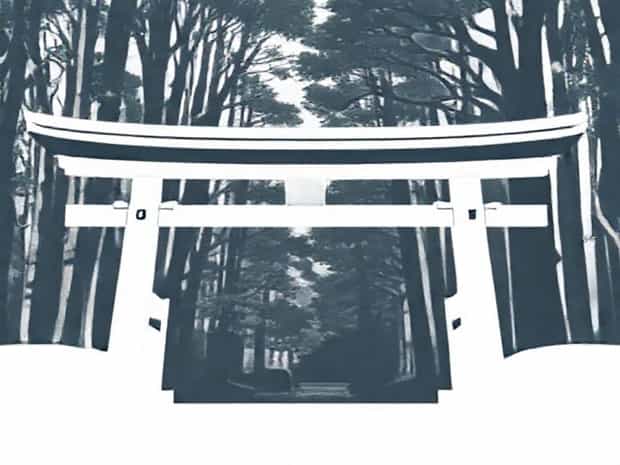
- Torii Gates – Massive wooden gates that mark the entrance to the sacred grounds, providing iconic photo opportunities.
Best Time of Year to Visit
Meiji Jingu is a destination that offers unique experiences throughout the year. Each season brings its own charm, making it essential to choose the time that aligns with your travel goals. Considering weather conditions, cultural events, and natural scenery can help visitors maximize their experience at the shrine.
Spring Cherry Blossom Season
Spring, particularly from late March to early April, is one of the most popular times to visit Meiji Jingu. During this period, cherry blossoms bloom throughout the shrine grounds and nearby Yoyogi Park, creating a breathtaking and picturesque atmosphere. Visitors can enjoy hanami, the traditional practice of viewing cherry blossoms, while exploring the serene paths and gardens of the shrine. Spring offers comfortable temperatures, making it ideal for walking tours and outdoor photography.
Summer Festivals and Lush Greenery
Summer, from June to August, is another excellent time to visit Meiji Jingu, especially for those interested in traditional Japanese festivals. The Kiyomasa Festival and other summer celebrations bring vibrant energy to the shrine grounds. The forested areas are lush and green, providing shade and a cooling environment amid Tokyo’s summer heat. While summer can be warm and humid, early morning visits allow for a peaceful and enjoyable experience before crowds arrive.
Autumn Stunning Fall Colors
Autumn, from late October to early December, is a spectacular time to see Meiji Jingu surrounded by vibrant fall foliage. The trees in the shrine grounds display brilliant shades of red, orange, and yellow, creating a serene and photogenic landscape. Cooler temperatures make walking through the shrine and its gardens more comfortable. Autumn also offers fewer tourists compared to spring, providing a quieter and more reflective visit.
Winter Tranquility and New Year Celebrations
Winter, from December to February, offers a different kind of charm at Meiji Jingu. The grounds are less crowded, and the crisp air adds a sense of tranquility to the visit. Winter is also the time for the New Year’s celebrations, or Hatsumode, when thousands of visitors come to pray for good fortune. Experiencing Meiji Jingu during New Year provides a glimpse into local traditions and the vibrant cultural life of Tokyo.
Best Time of Day to Visit
Choosing the right time of day can significantly enhance your experience at Meiji Jingu. Early mornings, right after the shrine opens, are the best for a peaceful visit. The soft morning light provides excellent conditions for photography and allows visitors to enjoy the shrine before large crowds arrive. Late afternoons can also be beautiful, especially during the golden hour when sunlight filters through the forested paths, creating a magical atmosphere.
Tips for Visiting Meiji Jingu
- Arrive early in the morning to avoid crowds and enjoy a serene atmosphere.
- Wear comfortable walking shoes, as the shrine grounds cover a large area with walking paths.
- Respect local customs by bowing before entering the shrine and following traditional etiquette during prayers.
- Check the shrine’s schedule for seasonal events and festivals to enhance your visit.
- Bring a camera to capture the natural beauty, architecture, and cultural experiences throughout the year.
Seasonal Highlights
Each season at Meiji Jingu offers unique experiences beyond the general beauty of the shrine. Spring provides vibrant cherry blossoms, summer brings lively festivals, autumn showcases colorful foliage, and winter offers peaceful solitude and cultural festivities. Visitors can plan trips according to seasonal highlights to create a more immersive and memorable experience. Understanding these seasonal variations helps travelers choose the best time to align with personal preferences, whether seeking cultural immersion, natural beauty, or tranquil reflection.
Photography Opportunities
Meiji Jingu is a photographer’s dream, offering a wide range of subjects, from traditional torii gates to seasonal flora. Spring cherry blossoms and autumn foliage provide colorful backdrops, while the massive wooden structures and serene gardens offer timeless architectural and natural photography options. Morning and late afternoon light enhance the textures and colors, making photographs even more striking.
Visiting Meiji Jingu is a must for anyone traveling to Tokyo, providing a harmonious blend of culture, history, and natural beauty. The best time to visit depends on personal preferences, whether you want to experience cherry blossoms in spring, colorful leaves in autumn, vibrant summer festivals, or serene winter landscapes. Early morning visits are ideal for a quiet experience, while seasonal festivals provide insight into traditional Japanese culture. Planning your visit according to the best time of year and day ensures a more enjoyable and memorable experience at one of Tokyo’s most iconic landmarks. Whether seeking spiritual reflection, cultural exploration, or scenic beauty, Meiji Jingu offers a truly enriching experience that leaves a lasting impression.