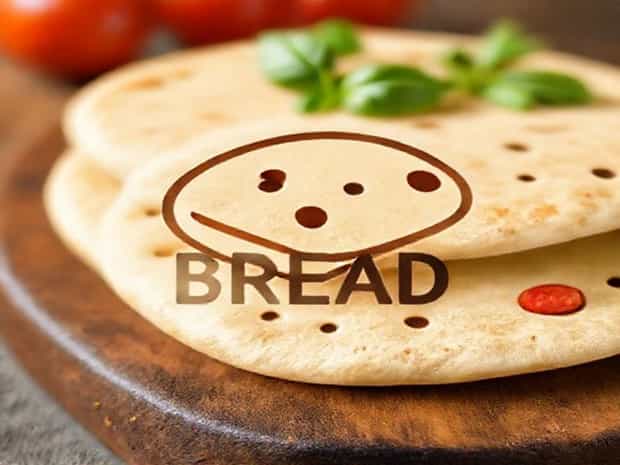
Best Pita Bread Recipe
Pita bread is a versatile and delicious flatbread that has been enjoyed in Middle Eastern and Mediterranean cuisines for centuries. Its characteristic pocket makes it perfect for stuffing with meats, vegetables, or spreads, creating an endless variety of meals from sandwiches to appetizers. Making the best pita bread recipe at home allows you to enjoy fresh, soft, and slightly chewy bread without relying on store-bought versions. With the right ingredients, preparation techniques, and baking methods, even beginners can achieve pitas that puff beautifully and create the iconic pocket, enhancing both flavor and texture in every bite.
Essential Ingredients for Pita Bread
The quality of pita bread depends heavily on the ingredients used. Simple, staple ingredients are all that is needed, but selecting fresh and high-quality options ensures the best results. Each ingredient plays a crucial role in developing flavor, texture, and structure. Proper measurement and preparation are key to achieving pitas that rise and bake evenly.
Basic Ingredients
- All-purpose flour or bread flour for structure and chewiness
- Warm water to activate yeast and form the dough
- Active dry yeast or instant yeast for leavening
- Salt to enhance flavor
- Olive oil for moisture and richness
- Optional sugar or honey to feed the yeast and add a slight sweetness
Mixing and Kneading the Dough
The process begins with mixing the ingredients to form a smooth, elastic dough. Dissolving the yeast in warm water ensures it activates properly, leading to a good rise. Combining the flour, salt, and optional sugar, then gradually adding water and olive oil, forms the base of the dough. Kneading is essential to develop gluten, which gives the pita its structure and ability to puff in the oven. Kneading can be done by hand or with a stand mixer, and it usually takes about 8 to 10 minutes until the dough becomes soft and elastic.
Kneading Tips
- Use a lightly floured surface to prevent sticking
- Knead until the dough is smooth, elastic, and slightly tacky
- Allow the dough to rest if it feels too stiff, giving gluten time to relax
- Optional use a stand mixer with a dough hook for convenience
First Rise and Shaping the Dough
After kneading, the dough needs time to rise. Place it in a lightly oiled bowl and cover it with a clean kitchen towel or plastic wrap. Allow the dough to rise in a warm, draft-free area until it doubles in size, usually taking 1 to 2 hours. This first rise develops flavor and creates the airy structure necessary for pita pockets. Once risen, divide the dough into equal portions and shape them into smooth balls. Rolling each ball into thin circles is essential for achieving the puffed pockets during baking.
Shaping Tips
- Use a rolling pin to roll each dough ball evenly to about ¼ inch thick
- Ensure uniform size for even baking and puffing
- Lightly flour the surface to prevent sticking while rolling
- Avoid pressing too hard, as trapped air is important for pockets
Preparing the Oven and Baking Pita Bread
High heat is the key to successful pita bread, as it causes the dough to puff quickly, creating a pocket. Preheat your oven to 475°F (245°C) or higher, and place a baking stone, steel, or heavy baking sheet inside to ensure even heat distribution. Once the dough is rolled out, carefully transfer each piece to the preheated surface. Baking times are short, typically 3 to 5 minutes, but watching closely is important. The bread should puff completely and have a lightly golden exterior.
Baking Tips
- Preheat the oven and baking surface thoroughly for best puffing
- Place dough gently to avoid deflating air pockets
- Use a pizza peel or parchment paper for easy transfer
- Remove baked pitas promptly to prevent over-browning
Cooling and Storing Pita Bread
After baking, allow the pitas to cool on a wire rack to maintain their texture and prevent condensation. If the bread is stored while still warm, it may become soggy. For short-term storage, keep pitas in an airtight container at room temperature. For longer storage, freeze the pitas in a resealable bag, separating layers with parchment paper to prevent sticking. Reheating frozen pitas in a hot oven or skillet restores their softness and enhances puffiness.
Storage Tips
- Cool completely before storing to prevent moisture buildup
- Use airtight containers or resealable bags for freshness
- Separate layers with parchment paper when freezing
- Reheat in oven or on skillet for best texture
Tips for Perfect Pita Bread
Achieving the best pita bread involves a combination of proper kneading, rolling, and baking techniques. Uniform thickness, a very hot baking surface, and careful handling are all essential for puffed pockets. Experimenting with ingredient ratios, such as using part whole wheat flour or adding a little sugar, can tweak flavor and texture to your liking. Consistency comes with practice, but following these techniques guarantees soft, flavorful, and versatile pitas that can be enjoyed in a variety of dishes.
Additional Tips
- Keep the dough balls covered to prevent drying while working with other portions
- Do not over-flour the dough, as it can make pitas dense
- Use a pizza stone or heavy baking sheet for even heat distribution
- Optional brush with olive oil or melted butter after baking for extra flavor
Serving Ideas for Pita Bread
Pita bread is incredibly versatile and can be used in countless ways. Stuffed with grilled meats, vegetables, hummus, or falafel, it makes a satisfying meal. It can also be sliced into triangles for dipping into sauces like tzatziki, baba ghanoush, or olive tapenade. Toasted or grilled pitas add crunch to sandwiches or serve as a base for homemade pizzas. The possibilities are endless, making fresh, homemade pita bread a valuable addition to any kitchen.
Popular Serving Suggestions
- Pita sandwiches with chicken, beef, or lamb and fresh vegetables
- Dipping pitas into hummus, baba ghanoush, or yogurt-based dips
- Toasted pita chips for snacks or appetizers
- Using pita as a base for mini pizzas or flatbread dishes
- Stuffing with falafel, grilled vegetables, or Mediterranean spreads
Making the best pita bread recipe at home is a rewarding process that results in fresh, soft, and flavorful bread with perfect pockets for stuffing or dipping. By focusing on high-quality ingredients, proper kneading, careful rolling, and baking at high temperatures, even novice bakers can achieve excellent results. Cooling, storing, and reheating correctly preserves the texture and flavor, allowing homemade pitas to be enjoyed for days. With endless serving possibilities, from sandwiches and wraps to appetizers and snacks, mastering this pita bread recipe enhances any meal and brings authentic Mediterranean and Middle Eastern flavors to your table.